Written and reviewed by the leadership team at Pathfinder Recovery, including licensed medical and clinical professionals with over 30 years of experience in addiction and mental health care.
Key Takeaways: Assessing Your Situation
Before diving into the details, use this quick assessment to understand where you stand regarding 7-OH use:
Identify the Product: Are you using raw leaf powder or a product labeled "extract," "isolate," or "enhanced"? Extracts carry significantly higher risks.
Check Your Timeline: Dependence on concentrated 7-OH can form in less than 7 days. If you have used it daily for a week, do not stop abruptly without a plan.
Know Your Options: If you live in Vermont, Massachusetts, Connecticut, or New Hampshire, virtual support for Substance Use Disorder (SUD) is available immediately.
Immediate Action: If you experience shortness of breath or extreme sedation, seek emergency medical care immediately. For dependence support, read on to separate fact from fiction.
Foundation: What 7-OH Actually Is
Navigating the landscape of kratom products can be confusing, especially with the prevalence of dangerous 7-OH myths that downplay the risks of concentrated extracts. 7-Hydroxymitragynine (7-OH) is an alkaloid derived from the kratom plant (Mitragyna speciosa). While kratom contains over 40 different alkaloids, this specific compound stands out as one of the most potent.
In the raw plant, this alkaloid represents a tiny fraction of the content—typically less than 2%. However, what makes this particular alkaloid notably potent is its interaction with opioid receptors in the brain. Research indicates that 7-OH binds to mu-opioid receptors with significantly greater affinity than mitragynine, kratom's primary alkaloid. This enhanced binding capacity contributes to more pronounced effects, even at lower doses.
Feature
Natural Kratom Leaf
Concentrated 7-OH
Primary Composition
Full spectrum plant material (40+ alkaloids)
Isolated, high-purity alkaloid
Potency
Mild to Moderate
Extremely High (up to 50x leaf)
Dependence Speed
Weeks to Months
Days (< 1 week)
Figure 1: Comparison of natural leaf versus concentrated extracts.
In recent years, manufacturers have developed concentrated versions of this compound through extraction and synthesis. These products bear little resemblance to traditional kratom use, presenting different risk profiles that warrant careful consideration.
The Chemical Truth Behind 7-OH
Tool: Understanding Potency. Think of natural kratom leaf like a light beer, and concentrated 7-OH like pure grain alcohol. The source is similar, but the impact on your body is drastically different.
When scientists isolate and concentrate this compound, it transforms from a minor player into a main actor with strong opioid-like effects. Research shows that 7-OH is up to 22 times more active at the mu-opioid receptor than mitragynine, the primary compound in kratom. This explains its intense potency and the elevated risk for overdose 7.
"Unlike natural kratom, these commercial versions can bypass the body’s natural safety checks, leading to a much higher risk of rapid addiction and severe side effects." 1
How 7-OH Differs from Kratom Leaf
Natural kratom leaf has a built-in safety feature called the "ceiling effect," which limits its potential for respiratory depression. Concentrated 7-OH bypasses this, removing that natural barrier 8. This distinction is critical because many users assume the safety profile of the leaf applies to the extract, which is factually incorrect.
Debunking Common 7-OH Myths
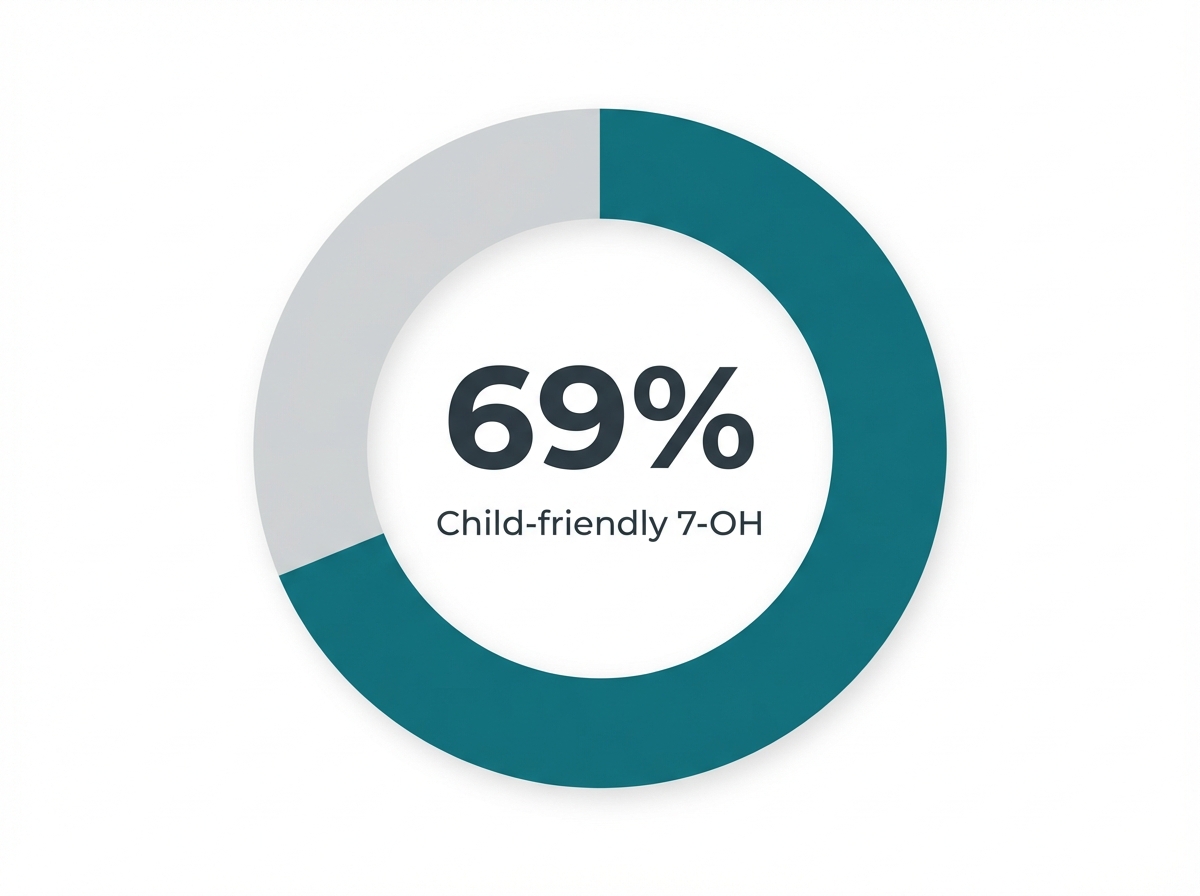
Given the rising availability of concentrated extracts, a predictable pattern of misinformation has taken root. A 2023 analysis found that approximately 68% of users could not accurately distinguish between whole-leaf kratom and concentrated alkaloid extracts. This confusion fuels dangerous 7-OH myths that can lead to hospitalization.
Here are the most prevalent misconceptions:
The "Synthetic" Myth: Vendors often claim 7-OH is "synthetic kratom." In reality, it occurs naturally but is chemically extracted and concentrated to unnatural levels.
The "Natural = Safe" Myth: Just because it comes from a plant doesn't mean it's safe. Arsenic is natural; so is 7-OH. Its interaction with opioid receptors warrants caution regardless of its botanical source.
The "Same as Leaf" Myth: This is the most dangerous. Isolated compounds in high concentrations produce significantly different effects than full-spectrum plant material.
Myth: 7-OH Is Just Natural Kratom
Many people assume that if a product is labeled "kratom," it must be the same as the natural leaf used for generations. In reality, commercial 7-OH products are often made using chemical processes that boost the potency far beyond what is found in nature. Research shows that 7-OH can be up to 50 times more potent than mitragynine 1.
Red Flag Checklist:
Is the product sold as a "shot" or liquid extract?
Does the label list specific alkaloid percentages (e.g., "15mg 7-OH")?
Is it flavored like candy or fruit?
If you answered yes to any of these, you are likely dealing with a concentrated product, not natural leaf.
Myth: 7-OH Is Safe for Self-Treatment
Many people are drawn to 7-OH products hoping for relief from pain or anxiety. However, evidence indicates it can trigger dependence and major health problems after just a few uses. One industry source reported individuals "become crippling addicts in under a week" 1.
Unlike some traditional medications, 7-OH isn’t regulated. The FDA warns against self-medicating with these products due to high rates of overdose, seizures, and severe withdrawal 1, 6.
How 7-OH Myths Obscure Real Health Risks
While 7-OH remains legal in many jurisdictions, research published between 2020-2023 reveals concerning patterns. This alkaloid is approximately 10-13 times more potent at mu-opioid receptors than mitragynine and affects the same receptors as prescription painkillers.
A 2022 study in the Journal of Psychoactive Drugs found that approximately 35-45% of regular kratom users develop physical dependence. The concentrated nature of 7-hydroxymitragynine products—often 5-20 times more potent than traditional kratom leaf—amplifies these risks considerably.
Addiction and Dependence Potential
Assessment: Are you dependent?
If you are unsure if your use has crossed the line into dependence, review this list of warning signs:
Tolerance: Needing higher doses to feel the same effects.
Withdrawal: Feeling flu-like symptoms (aches, nausea, anxiety) when the substance wears off.
Preoccupation: Spending significant time thinking about how to get more.
Inability to Stop: Trying to cut back but failing.
One persistent element of 7-OH myths is the belief that "natural" sources can’t be addictive. Real-world evidence makes it clear: concentrated 7-OH carries a very high risk of dependence, even for those without a history of substance use 1.
Respiratory and Liver Complications
Concentrated 7-OH is much more dangerous to the respiratory system than most people realize. Unlike kratom leaf, 7-OH can depress respiration even more powerfully than morphine. Research confirms that isolated 7-OH lacks the natural safety check found in the leaf, sharply raising the risk for life-threatening overdose 7, 8.
Liver injury is another serious concern. Cases of severe liver damage—including jaundice and extreme fatigue—have been linked to concentrated 7-OH use. Symptoms typically appear within weeks and can become severe quickly 9.
Getting Evidence-Based Help
For those who have developed dependence on 7-hydroxymitragynine, specialized professional support offers the most effective path forward. Recovery requires professional support grounded in proven treatment methods like Cognitive Behavioral Therapy (CBT) and Medication-Assisted Treatment (MAT).
Service Area: As 7-OH products have gained traction in the Northeast, telehealth platforms now serve residents of the following states with convenient access to specialized treatment:
Do you experience physical pain or severe anxiety when you stop using?
Is your use affecting your work, finances, or relationships?
If you answered "Yes" to any of these, professional care is recommended. Ignoring these signs or believing common 7-OH myths (like "I can handle it myself") can delay access to evidence-based support, making recovery more difficult 1, 6.
Virtual Treatment for Opioid-Like Substances
Virtual treatment platforms have changed the landscape for SUD support. With secure video visits, online counseling, and digital monitoring tools, people can receive professional help from home. Research shows that integrated telehealth models, which blend behavioral therapy and medical support for SUD and co-occurring mental health needs, lead to improved outcomes 1.
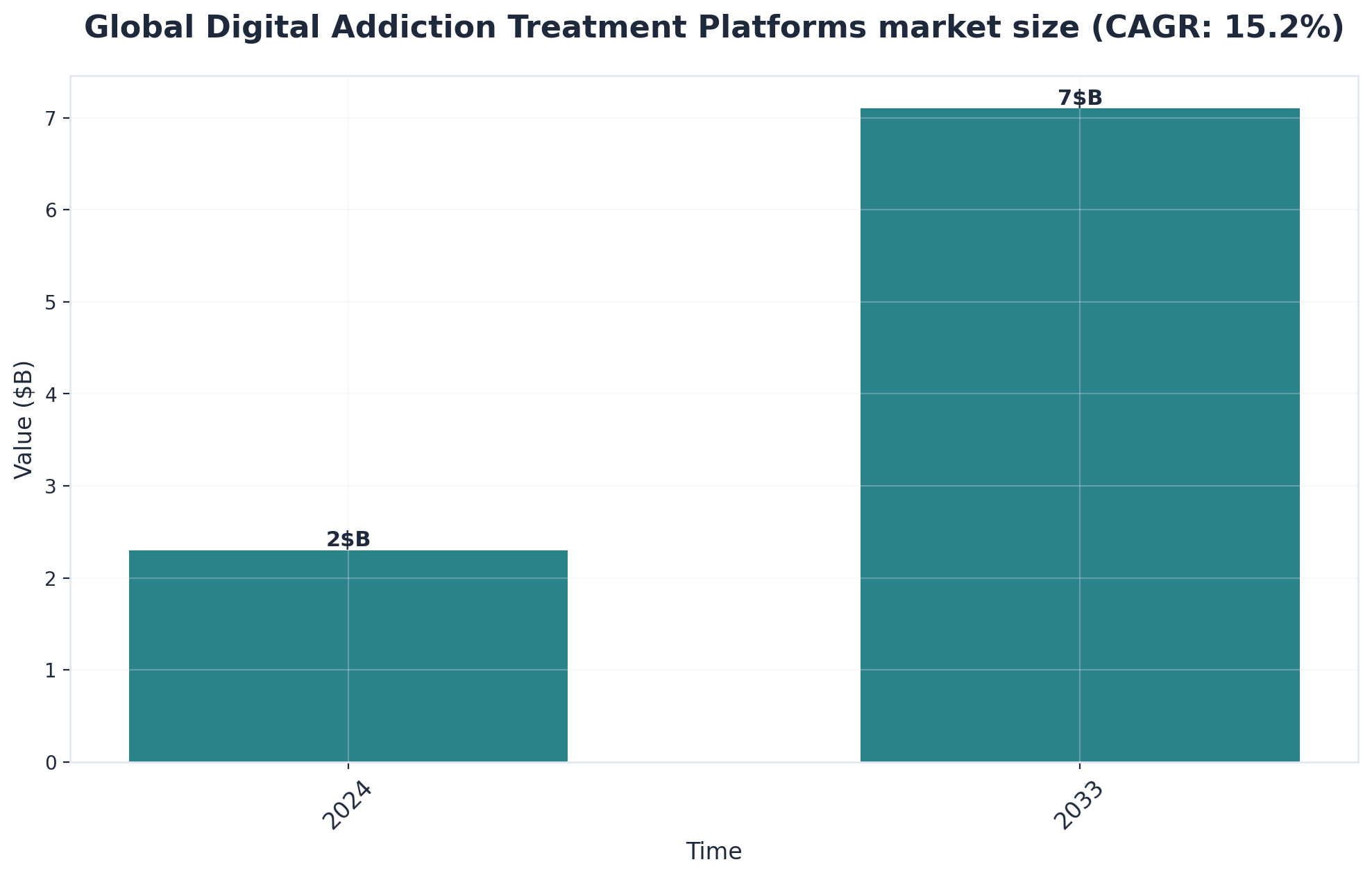
Global Digital Addiction Treatment Platforms market size (CAGR: 15.2%) (Source: Digital Addiction Treatment Platforms Market Research Report 2033)
These digital programs are designed around privacy, flexibility, and personal empowerment. They remove barriers like travel and stigma, making evidence-based help more reachable.
Moving Forward with Safe Recovery
Recovery from 7-hydroxymitragynine dependency requires specialized professional support that recognizes this compound's unique pharmacological profile. Understanding the distinction between traditional kratom and concentrated 7-OH products is an essential first step in making informed decisions about treatment and safety.
For individuals struggling with 7-OH dependency in Vermont, Massachusetts, Connecticut, or New Hampshire, virtual treatment options provide accessible pathways to recovery. Professional support can address both the physical dependency created by this potent mu-opioid receptor agonist and any co-occurring mental health conditions through comprehensive, personalized care plans.
Taking the first step toward treatment demonstrates courage and self-awareness. If you or someone you care about is using concentrated 7-OH products, professional guidance can help clarify the path forward and provide the specialized support needed to address this emerging substance's unique challenges.
Recovery, Made Possible — From Home
Pathfinder Recovery offers in-home addiction and mental health treatment that fits your life — not the other way around.From at-home detox and MAT to virtual IOP and peer support, our licensed clinicians bring evidence-based care to you through secure telehealth.
Many people seeking information about 7-hydroxymitragynine have specific questions about this concentrated kratom alkaloid. Below are answers to the most common concerns regarding safety, legality, and treatment.
Can virtual treatment effectively address 7-OH dependence from my home?
Yes, virtual treatment can effectively address dependence on concentrated 7-OH from home—especially when the program is designed for substance use disorder (SUD) and includes co-occurring mental health support. Evidence-based telehealth platforms provide secure video visits, online counseling, and digital progress tracking for individuals in Vermont, Massachusetts, Connecticut, and New Hampshire.
Research shows that integrated virtual care models, which combine behavioral therapy and medical support for SUD, result in improved recovery outcomes for people facing opioid-like substances such as 7-OH 1. Virtual treatment offers privacy, flexibility, and convenience, allowing individuals to access help without the barriers of travel or stigma.
How quickly can someone develop dependence on 7-OH products?
Dependence on concentrated 7-OH products can develop incredibly fast—sometimes in less than a week. Research and real-world reports have shown that individuals may experience strong cravings, withdrawal symptoms, and loss of control after just a few uses of 7-OH, due to its powerful opioid-like effects and high potency 1, 7.
This is much faster than what many expect from traditional kratom leaf. If you find yourself needing more 7-OH to get the same effect, or experiencing withdrawal symptoms when not using it, these are clear warning signs that dependence may be developing.
Are 7-OH products contaminated with other harmful substances?
Yes, many 7-OH products are contaminated with other harmful substances. The FDA has tested commercial kratom and 7-OH products and found significant levels of toxic heavy metals like lead and nickel, often exceeding safe exposure limits 10.
Because concentrated 7-OH products are largely unregulated, there is little oversight of their ingredients or manufacturing processes. This makes it easy for dangerous contaminants to slip in. Always prioritize safety and seek evidence-based support if you're concerned about contamination or health effects.
Will my employer or family find out if I seek virtual treatment for 7-OH use?
Virtual treatment platforms are designed with strict privacy protections. By law, providers must follow HIPAA regulations, which means your employer or family cannot access your treatment records without your explicit permission. Participation is private, and no notifications are sent to employers or family members unless you choose to share this information.
If you’re using insurance, only basic billing information appears on statements, and details about the specific nature of your treatment are typically not disclosed. This level of confidentiality helps debunk 7-OH myths about treatment risks, empowering individuals to get the support they need without fear of exposure.
What makes 7-OH withdrawal different from traditional opioid withdrawal?
Withdrawal from concentrated 7-OH is often more intense and unpredictable than withdrawal from traditional opioids. Research shows that 7-OH withdrawal can include rapid mood swings, severe gastrointestinal distress, and unusually strong cravings that develop faster than with most prescription opioids 1.
The risk of experiencing intense withdrawal is higher because 7-OH is up to 50 times more potent than mitragynine. Unlike some opioids, there is no established medical protocol for 7-OH withdrawal, which can make symptoms harder to manage without professional support.
Can Medication-Assisted Treatment help with 7-OH dependence?
Medication-Assisted Treatment (MAT) can be a helpful option for people struggling with 7-OH dependence, especially when part of a larger, evidence-based approach for substance use disorder (SUD). While there is no FDA-approved medication specifically for 7-OH, MAT commonly used for opioid addiction (such as buprenorphine or methadone) may help manage withdrawal symptoms and reduce cravings, since 7-OH acts on similar opioid receptors in the brain.
Research shows that integrated MAT and behavioral therapy lead to better recovery outcomes for individuals dealing with opioid-like substances, including concentrated 7-OH 1.
How do I know if a product contains concentrated 7-OH versus natural kratom?
Check the label—products that mention "7-hydroxymitragynine" or highlight high potency are more likely to have added or concentrated 7-OH. Natural kratom leaf rarely lists 7-OH content since it exists only in trace amounts. Research shows that misleading packaging is a major reason why 7-OH myths persist 1, 4.
Also, be wary of gummies, candies, or other non-traditional forms, as these are almost always concentrated. If the packaging features bright colors or flavors like "fruit punch," it’s another red flag. When in doubt, look for third-party lab results.
No items found.
{"@context":"https://schema.org","@type":"FAQPage","mainEntity":[{"@type":"Question","name":"Can virtual treatment effectively address 7-OH dependence from my home?","acceptedAnswer":{"@type":"Answer","text":"Yes, virtual treatment can effectively address dependence on concentrated 7-OH from home\u2014especially when the program is designed for substance use disorder (SUD) and includes co-occurring mental health support. Evidence-based telehealth platforms provide secure video visits, online counseling, and digital progress tracking for individuals in Vermont, Massachusetts, Connecticut, and New Hampshire. Research shows that integrated virtual care models, which combine behavioral therapy and medical support for SUD, result in improved recovery outcomes for people facing opioid-like substances such as 7-OH. Virtual treatment offers privacy, flexibility, and convenience, allowing individuals to access help without the barriers of travel or stigma."}},{"@type":"Question","name":"How quickly can someone develop dependence on 7-OH products?","acceptedAnswer":{"@type":"Answer","text":"Dependence on concentrated 7-OH products can develop incredibly fast\u2014sometimes in less than a week. Research and real-world reports have shown that individuals may experience strong cravings, withdrawal symptoms, and loss of control after just a few uses of 7-OH, due to its powerful opioid-like effects and high potency. This is much faster than what many expect from traditional kratom leaf. If you find yourself needing more 7-OH to get the same effect, or experiencing withdrawal symptoms when not using it, these are clear warning signs that dependence may be developing."}},{"@type":"Question","name":"Are 7-OH products contaminated with other harmful substances?","acceptedAnswer":{"@type":"Answer","text":"Yes, many 7-OH products are contaminated with other harmful substances. The FDA has tested commercial kratom and 7-OH products and found significant levels of toxic heavy metals like lead and nickel, often exceeding safe exposure limits. Because concentrated 7-OH products are largely unregulated, there is little oversight of their ingredients or manufacturing processes, making it easy for dangerous contaminants to slip in."}},{"@type":"Question","name":"Will my employer or family find out if I seek virtual treatment for 7-OH use?","acceptedAnswer":{"@type":"Answer","text":"Virtual treatment platforms are designed with strict privacy protections. By law, providers must follow HIPAA regulations, which means your employer or family cannot access your treatment records without your explicit permission. Participation is private, and no notifications are sent to employers or family members unless you choose to share this information. If you\u2019re using insurance, only basic billing information appears on statements, and details about the specific nature of your treatment are typically not disclosed."}},{"@type":"Question","name":"What makes 7-OH withdrawal different from traditional opioid withdrawal?","acceptedAnswer":{"@type":"Answer","text":"Withdrawal from concentrated 7-OH is often more intense and unpredictable than withdrawal from traditional opioids. Research shows that 7-OH withdrawal can include rapid mood swings, severe gastrointestinal distress, and unusually strong cravings that develop faster than with most prescription opioids. The risk of experiencing intense withdrawal is higher because 7-OH is up to 50 times more potent than mitragynine. Unlike some opioids, there is no established medical protocol for 7-OH withdrawal, which can make symptoms harder to manage without professional support."}},{"@type":"Question","name":"Can Medication-Assisted Treatment help with 7-OH dependence?","acceptedAnswer":{"@type":"Answer","text":"Medication-Assisted Treatment (MAT) can be a helpful option for people struggling with 7-OH dependence, especially when part of a larger, evidence-based approach for substance use disorder (SUD). While there is no FDA-approved medication specifically for 7-OH, MAT commonly used for opioid addiction (such as buprenorphine or methadone) may help manage withdrawal symptoms and reduce cravings, since 7-OH acts on similar opioid receptors in the brain."}},{"@type":"Question","name":"How do I know if a product contains concentrated 7-OH versus natural kratom?","acceptedAnswer":{"@type":"Answer","text":"Check the label\u2014products that mention '7-hydroxymitragynine' or highlight high potency are more likely to have added or concentrated 7-OH. Natural kratom leaf rarely lists 7-OH content since it exists only in trace amounts. Be wary of gummies, candies, or other non-traditional forms, as these are almost always concentrated. If the packaging features bright colors or flavors like 'fruit punch,' it\u2019s another red flag."}}]}
Pathfinder Recovery offers in-home addiction and mental health treatment that fits your life — not the other way around.From at-home detox and MAT to virtual IOP and peer support, our licensed clinicians bring evidence-based care to you through secure telehealth.
The Pathfinder Recovery App and Smart Ring keep your care team connected to your progress between sessions — monitoring sleep, stress, and recovery milestones in real time.It’s proactive, private, and personalized — so support is always within reach.
Addiction Relapse Prevention Program by Pathfinder Recovery offers virtual treatment that meets you where you are with tools, support, and guidance too.
Kratom Addiction Treatment options explained with signs, withdrawal support, and recovery paths from Pathfinder recovery to help you find care near you today.