Written and reviewed by the leadership team at Pathfinder Recovery, including licensed medical and clinical professionals with over 30 years of experience in addiction and mental health care.
Connecticut's Opioid Crisis & Treatment Landscape
Connecticut faces a significant challenge with opioid-related overdoses and addiction disorders. For many residents facing substance use challenges, finding safe at-home detox / withdrawal management ct is a critical first step toward recovery. According to the Connecticut Department of Public Health, over 1,500 overdose deaths occurred in 2022 alone, with opioids accounting for the majority of these fatalities. This crisis affects communities statewide, from urban centers to rural towns, impacting individuals and families from all backgrounds.
The treatment landscape in Connecticut has evolved to meet this growing need. Available options include a range of evidence-based approaches:
Medication-Assisted Treatment (MAT): Using FDA-approved medications to manage cravings and withdrawal.
Outpatient Counseling & IOP: Flexible therapy options that allow individuals to live at home.
Residential Treatment: Inpatient facilities for those requiring 24/7 physical monitoring.
Programs such as the Connecticut Community for Addiction Recovery (CCAR) provide peer support and recovery coaching, while initiatives like the Opioid Response Strategy coordinate statewide efforts to expand access to medication-assisted treatment. Many providers now recognize that effective recovery requires addressing both addiction disorders and co-occurring psychological conditions, such as anxiety, depression, and trauma-related disorders.
Telehealth has expanded access to treatment throughout Connecticut, particularly benefiting those in areas with limited local resources. Virtual care allows individuals to connect with licensed professionals from their residences, reducing barriers related to transportation, scheduling conflicts, and stigma. This approach has proven especially valuable for ongoing support and counseling services.
Despite these available resources, gaps in care persist. Many people seeking treatment face waitlists, insurance limitations, or difficulty finding providers who offer comprehensive, integrated care. The need for person-centered treatment that addresses the whole individual—not just the addiction—continues to drive innovation in Connecticut's behavioral health system.
As Connecticut continues to expand treatment options, emerging models focus on meeting individuals where they are—both geographically and in their recovery journey. This includes exploring safe, medically supervised approaches that increase accessibility while maintaining the clinical oversight necessary for effective withdrawal management and long-term recovery success.
The Scope of Substance Use in Connecticut
Connecticut’s substance use crisis stretches beyond opioids, impacting people in Bridgeport, Stamford, Hartford, and communities statewide. Recent reports reveal that 90.1% of all overdose deaths in 2023 involved opioids, with synthetic drugs like fentanyl presenting unique and urgent risks2. Alcohol and polysubstance use remain serious concerns as well, both in urban hubs like New Haven and rural areas. It’s clear that withdrawal management and detoxification services must evolve to fit Connecticut’s diverse population. Alternative models, such as flexible outpatient support or at-home detox solutions, are emerging in direct response to these statewide realities.
1,187 Opioid Deaths: 2023 State Data
The loss of 1,187 Connecticut residents to opioid overdose in 2023 reveals the severe impact of the crisis across the state2. Opioid-related fatalities now account for over 90% of all overdose deaths here, highlighting how synthetic drugs like fentanyl have reached communities from Bridgeport to Hartford and beyond. Experts find that fentanyl's role in more than 93% of opioid deaths marks a dangerous shift that puts even casual or occasional use at significant risk2. This reality places new pressure on urgent access to withdrawal solutions that actually fit real life—including virtual programs, telehealth withdrawal support, and at-home detox care pathways. Options like these are gaining ground as meaningful responses—especially important as residents seek safe withdrawal management in their own homes.
Treatment Recidivism & Relapse Patterns
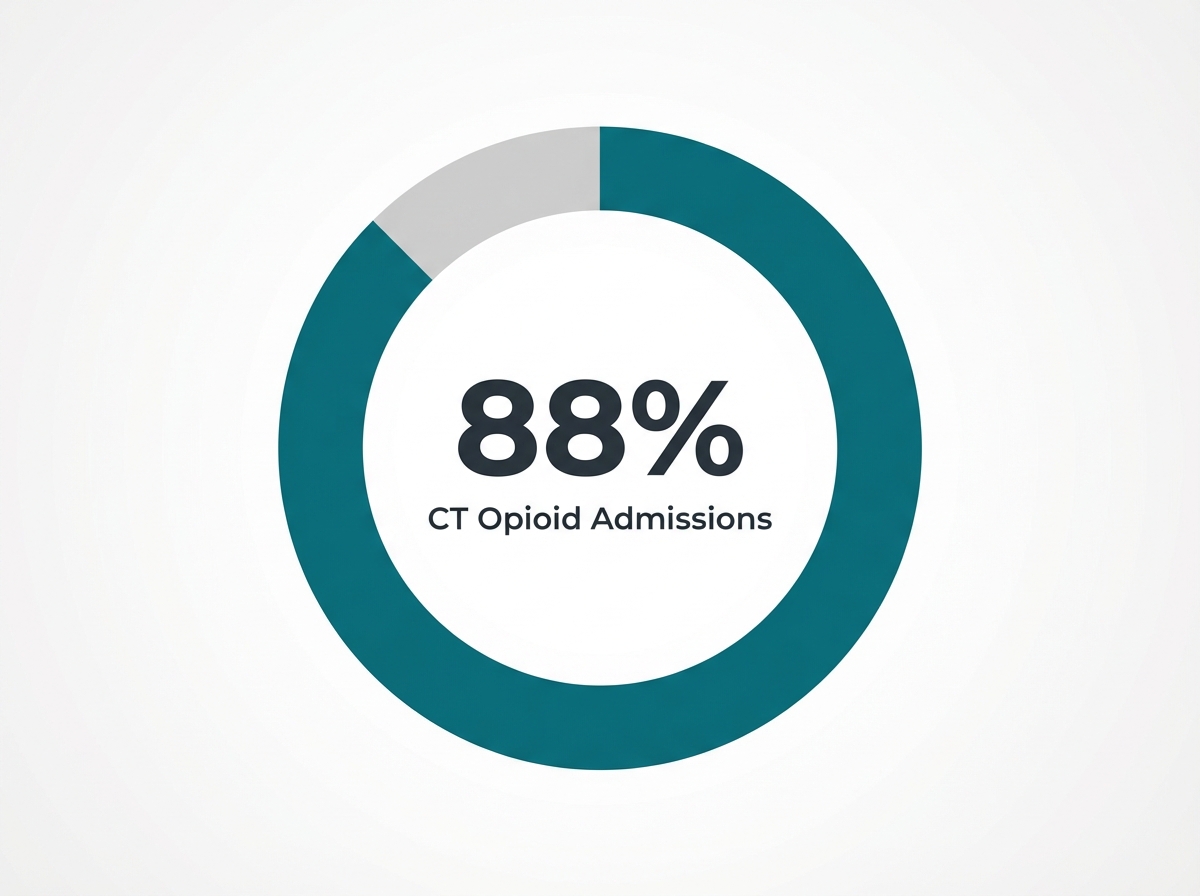
A striking feature of Connecticut’s substance use crisis is the ongoing cycle of treatment recidivism: 88% of individuals admitted for opioid or heroin use in 2020 had previously participated in treatment, revealing high rates of relapse across areas like New Haven, Hartford, and Stamford3. This persistent cycling suggests that many residents face barriers to sustained recovery, whether due to gaps in traditional inpatient care, limited access to outpatient recovery, or challenges with support networks at home. Industry reports indicate that local gaps in behavioral health staffing heighten the problem, as long waitlists and limited continuity contribute to treatment drop-off5. For those seeking alternatives, newer care pathways like virtual withdrawal management and at-home detoxification offer promise—supporting recovery in real-life settings where people live and work.
Why Traditional Inpatient Models Fall Short
For many Connecticut residents, traditional inpatient detox programs are difficult to access—especially when facing family, work, or transportation challenges in cities like Waterbury, Bridgeport, or rural Litchfield County. Studies reveal that while inpatient settings remain the norm, 88% of people admitted for opioid or heroin use in 2020 had already cycled through some form of treatment, indicating a pattern of relapse and revolving-door care3. This approach often fails to support individuals dealing with stigma, long waiting lists, or difficulty stepping away from daily responsibilities. In communities statewide, local provider shortages further delay timely admission to inpatient facilities, pushing some to go without withdrawal support. When compared to options like at-home detox or remote withdrawal management, it’s clear a one-size-fits-all model doesn’t reflect the real experiences or recovery needs of Connecticut’s diverse population.
Barriers: Stigma, Time, and Accessibility
Connecticut residents pursuing recovery often encounter more than medical challenges—the hurdles of stigma, time, and sheer accessibility can stand in the way of safe withdrawal management. Many people in Bridgeport, New Haven, or rural Litchfield report that fear of judgment and confidentiality breaches stops them from seeking help, while others struggle to balance treatment with work and family demands. Long waitlists and a shortage of behavioral health professionals add extra pressure, with state reports showing persistent provider gaps across both urban centers and smaller towns5. These realities make the promise of flexible withdrawal options, such as home-based detoxification and remote withdrawal support, increasingly vital for individuals who cannot easily access traditional services. Research shows that patient preference for outpatient and at-home models is strong, especially when these options allow for frequent check-ins and tailored care in a private, supportive setting1.
The Case for Home-Based Alternatives
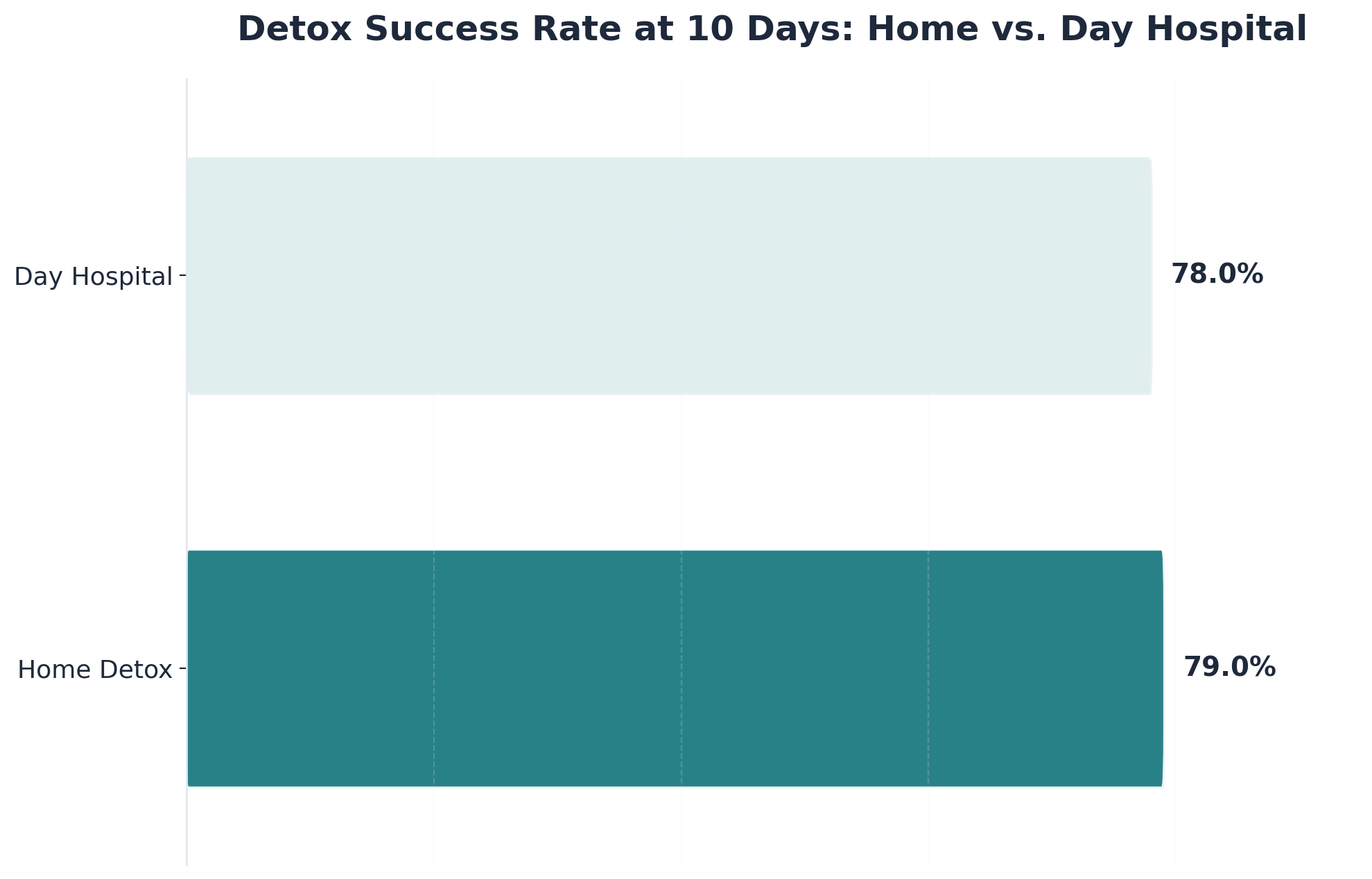
Home-based alternatives are gaining real traction across Connecticut because they respond directly to the needs voiced by residents from Norwalk to New Britain. Studies reveal most people in substance use recovery prefer outpatient models, including at-home detoxification, largely due to the privacy, flexibility, and support they offer—especially when programs are medically supervised and include regular virtual check-ins1. For those with stable home settings and without complex medical risks, these pathways often match the efficacy of facility-based detox. In fact, clinical evidence shows that nearly 79% of individuals completing home-based withdrawal care for alcohol achieve successful detox within 10 days, nearly identical to hospital day programs4. By bringing care into familiar, supportive environments, at-home detox / withdrawal management ct reduces stigma and makes ongoing engagement possible even for people balancing work or family.
State Regulations & Standards for At-Home Detox / Withdrawal Management CT
Understanding Connecticut's addiction treatment regulations helps ensure you receive safe, legitimate care—whether in a facility or at home. The Department of Mental Health and Addiction Services (DMHAS) oversees licensing requirements for detox facilities, ensuring providers meet established safety and clinical standards. These regulations exist to protect patients during the vulnerable detoxification period, creating accountability for treatment quality and safety protocols.
Traditional detox facilities in Connecticut must comply with comprehensive staffing requirements, including 24-hour medical supervision, credentialed addiction counselors, and emergency protocols. For example, if someone experiences severe withdrawal complications at 2 AM, regulations ensure qualified medical staff are immediately available to intervene—not just answering services or on-call providers. State authorities mandate specific staff-to-patient ratios and require facilities to maintain detailed treatment records following evidence-based protocols.
When At-Home Detox Is NOT Appropriate
You should pursue facility-based detoxification if you have:
Severe alcohol dependence (drinking heavily for extended periods)
History of seizures or delirium tremens during previous withdrawal
Serious co-occurring medical conditions (heart disease, liver damage, diabetes)
Concurrent mental health crises requiring immediate psychiatric care
Previous failed attempts at outpatient detoxification
Remote detoxification programs operate within Connecticut's regulatory framework but follow telemedicine pathways. Medical professionals providing distance-based detox services must be licensed to practice in Connecticut and conduct comprehensive assessments to determine candidacy for home-based recovery support. They evaluate addiction history, medical conditions, living environment safety, and support system availability before approving at-home detox.
The clinical standards for appropriate at-home detoxification include initial medical evaluations, individualized treatment plans, and ongoing monitoring protocols. Healthcare providers remain available for consultation and can prescribe medications to manage withdrawal when medically appropriate. Understanding these regulatory frameworks—and honestly assessing whether you meet safety criteria—helps you choose the detox approach that protects your health while supporting successful recovery.
DMHAS Oversight & Licensing Requirements
In Connecticut, the Department of Mental Health and Addiction Services (DMHAS) plays a central role in ensuring at-home detox and withdrawal management services meet rigorous safety standards. Providers offering these home-based or virtual solutions must secure state licensure and operate in compliance with DMHAS regulations—requiring them to demonstrate robust protocols for medical oversight, continuous patient monitoring, and emergency response capacity7. Accreditation from recognized bodies, such as The Joint Commission or CARF, is typically expected to further guarantee quality and accountability. For example, DMHAS sets clear expectations that residential and at-home detoxification programs only employ credentialed clinicians and implement procedures that mirror hospital-standard care9. These rules ensure that individuals seeking at-home withdrawal care in Bridgeport, Hartford, or across rural areas can trust the programs supporting their recovery journey.
Medical Management & Accreditation Rules
For at-home detox and withdrawal management in Connecticut, medical management and accreditation are central to both safety and trust. State law requires that home-based detox programs maintain protocols equivalent to hospital standards. This includes continuous medical oversight, the use of credentialed clinicians—such as certified addiction medicine physicians and licensed nurses—and the ability to respond promptly to any medical complications9. Providers must also carry recognized accreditation from organizations like The Joint Commission or CARF, ensuring external evaluation of quality and safety practices7. Studies reveal that clinical supervision and frequent monitoring are vital: successful at-home withdrawal care hinges on regular check-ins by licensed professionals and clear criteria for escalating to in-person care when needed, especially for individuals with co-occurring mental health conditions1. By meeting these requirements, accredited providers of at-home detox / withdrawal management ct demonstrate a commitment to best practices and patient safety.
ASAM Criteria for Level of Care Placement
The ASAM Criteria sets the gold standard for determining the right level of care in Connecticut’s at-home detox and withdrawal management programs. Under the guidelines adopted by the Department of Mental Health and Addiction Services (DMHAS), providers use these criteria to conduct a multidimensional assessment that weighs factors like withdrawal risk, medical stability, mental health, and social supports8. This thorough evaluation helps match individuals to the most appropriate care setting—whether that’s community-based home detox, intensive outpatient, or inpatient support—ensuring safety and effectiveness. Research shows applying ASAM Criteria improves outcomes by personalizing treatment placement8. At-home detox / withdrawal management ct relies on this patient-centered approach, allowing qualified individuals in cities like Hartford or Bridgeport to receive care that fits their needs and home environment.
Medicaid Coverage & Insurance in Connecticut
Medicaid and insurance coverage play a major role in expanding access to at-home detox / withdrawal management ct throughout Connecticut’s communities. Connecticut Medicaid (Husky Health) covers medically supervised detoxification, including counseling and addiction medications, and requires that eligible detox programs adhere to state licensing and clinical best practices7. Coverage extends to qualified outpatient and home-based withdrawal management, helping people in places like Stamford and New Britain overcome key cost barriers. Private insurance in Connecticut must also include substance use treatment as an essential health benefit under the Affordable Care Act, meaning many commercial plans will reimburse for virtual and home detox, provided the provider meets state regulations7. Studies reveal that aligning insurance with patient-preferred withdrawal care, such as remote detox or flexible outpatient services, can directly improve treatment engagement and recovery outcomes1.
What CT Medicaid Covers for Detox Services
Connecticut Medicaid (Husky Health) covers a broad range of medically supervised detox services—including withdrawal management, addiction medications, and counseling—across inpatient, outpatient, and eligible at-home models. To qualify, the at-home detox / withdrawal management ct program must be licensed by the state, adhere to DMHAS and federal standards, and ensure continuous medical oversight by credentialed clinicians7. Medicaid coverage extends to virtual or home-based withdrawal support when programs provide evidence-based protocols and clear monitoring practices, supporting people in all corners of the state, from Bridgeport to rural Windham County. For many residents, this means cost barriers are lowered for supervised withdrawal, whether the care happens in a clinic or at home. Services may include medication-assisted treatment, symptom management, and counseling for co-occurring mental health needs—all coordinated with a certified care team as required by Medicaid policy7.
Private Insurance & Affordable Care Act Mandates
Private insurance plans in Connecticut are required to cover substance use disorder treatment—including at-home detox and withdrawal management—thanks to the Affordable Care Act’s essential health benefits mandate7. This means that, in cities like Stamford, West Hartford, or Norwich, most commercial insurance will reimburse for virtual detox or remote withdrawal care if the provider is licensed and meets state clinical standards. Research shows aligning these insurance benefits with patient-preferred care, such as flexible outpatient or telehealth detox services, supports better engagement and lasting outcomes for people seeking recovery at home1. However, plan details—including deductibles, covered services, and in-network provider requirements—can differ regionally, so individuals are encouraged to check directly with their insurer about specific coverage for home-based detoxification and withdrawal management.
Recovery, Made Possible — From Home
Pathfinder Recovery offers in-home addiction and mental health treatment that fits your life — not the other way around. From at-home detox and MAT to virtual IOP and peer support, our licensed clinicians bring evidence-based care to you through secure telehealth.
At-home detox combines medical supervision with the comfort of a familiar environment, offering a structured approach to managing physical dependency symptoms. Unlike traditional inpatient facilities, this model brings healthcare professionals directly to individuals, allowing them to begin recovery while maintaining certain aspects of their daily routine.
The process typically begins with a comprehensive medical assessment conducted by licensed healthcare providers. This evaluation includes:
A detailed review of substance use history.
Physical examination, blood work, and toxicology screening.
Mental health evaluation using standardized questionnaires.
Assessment of withdrawal risk using clinical scales such as the Clinical Institute Withdrawal Assessment.
Based on this assessment, medical professionals develop a personalized detox protocol tailored to individual needs and risk factors.
Throughout the detox period, healthcare providers make regular visits to monitor vital signs, assess symptoms, and adjust treatment protocols as needed. A typical schedule might include:
Days 1-3: Daily in-person or virtual visits during the acute withdrawal phase.
Days 4-7: Visits every other day as symptoms stabilize.
Week 2 onward: Visits every 2-3 days as the individual transitions toward ongoing recovery support.
Many programs also offer 24/7 telehealth access, ensuring individuals can connect with medical support whenever concerns arise. This continuous monitoring is essential for safely addressing the physical and psychological effects of discontinuation and preventing medical emergencies.
Medication-assisted treatment often plays a central role in these home-based programs. Healthcare providers may prescribe FDA-approved medications to ease discomfort during the transition period, reduce cravings, and address co-occurring psychiatric conditions. These medications are carefully dosed and monitored to ensure safety and effectiveness throughout the detox process.
Studies published in peer-reviewed addiction medicine journals demonstrate that supervised at-home treatment can achieve comparable outcomes to inpatient care for appropriately selected individuals. For example, a 42-year-old professional with moderate alcohol dependency, a stable home environment, and family support successfully completed a 10-day at-home detox program with daily nursing visits, prescribed medication to manage withdrawal symptoms, and telehealth check-ins that prevented complications. Success depends heavily on proper patient selection—those with mild to moderate risk profiles, stable living environments, and adequate support systems tend to achieve the best outcomes.
The efficacy of this private-setting approach ultimately relies on three pillars: thorough medical oversight, appropriate medication management, and ongoing clinical support that extends beyond the initial discontinuation phase into comprehensive recovery planning.
Medical Supervision & Remote Monitoring
Medical supervision and remote monitoring are the foundation of safe at-home detox in Connecticut, delivering peace of mind for residents in areas such as Hartford, Stamford, and Norwich. Under Connecticut regulations, licensed clinicians perform initial medical screenings and develop withdrawal management plans tailored to each individual’s unique health history and risk level7. Throughout the detox process, frequent telehealth check-ins allow nurses or physicians to track symptoms, adjust medications, and respond quickly to changes—making home-based withdrawal as interactive as possible, even outside a clinic setting. Research shows that most patients greatly value this combination of private, patient-centered care and accessible expert oversight, which can help detect any signs of medical complications early1. These practices set a high bar for safety and are key reasons why at-home detox / withdrawal management ct is now a trusted option for so many Connecticut communities.
Who Qualifies for At-Home Withdrawal Care
Not everyone is eligible for at-home withdrawal management in Connecticut; clinicians must first confirm that the person’s situation is stable enough for this flexible approach. Eligibility is determined through a comprehensive assessment—including substance type, medical history, mental health status, and strength of home support1. Most people considered for at-home detox / withdrawal management ct have mild-to-moderate withdrawal risk, no severe co-occurring medical conditions, and live with someone who can assist if needed. Home-based withdrawal management is not appropriate for those with a history of severe withdrawal syndromes or unstable environments. Research shows these criteria keep safety front and center while giving residents in cities like Stamford and Manchester a viable, private option for supervised withdrawal care at home1.
Evidence: 79% Success Rates in Home Settings
Evidence from Connecticut and national studies demonstrates that at-home detox, when medically supervised and delivered in a supportive home environment, achieves impressive results for many individuals. One well-regarded clinical comparison found that 79% of participants in home-based withdrawal programs for alcohol completed detox successfully within 10 days—outcomes nearly identical to those seen in day hospital settings (78% completion)4. Research points out that cities like New Haven and Stamford, where access to in-person care can be limited due to workforce shortages, may particularly benefit from flexible, home-based solutions that maintain frequent monitoring and licensed medical oversight1. These success rates help explain why at-home detox / withdrawal management ct is now endorsed as a practical, evidence-backed choice in the Connecticut recovery landscape.
Detox Success Rate at 10 Days: Home vs. Day Hospital (Compares the 10-day successful detox completion rates for alcohol withdrawal between a home-based program and a hospital-based day patient program, showing comparable efficacy.)
Virtual Care Models & Medication-Assisted Treatment
Virtual care models have changed the game for at-home detox options in Connecticut, making it possible to safely deliver medication-assisted treatment (MAT) to people living everywhere from New Britain to coastal towns. Through secure telehealth platforms, Connecticut clinicians can assess patients, prescribe evidence-based addiction medications like buprenorphine or naltrexone, and provide ongoing guidance—all without requiring regular clinic visits. Industry leaders note that careful virtual monitoring combined with MAT allows individuals going through withdrawal to receive immediate support, adjustment of medication doses, and symptom management in real time1. This approach not only helps manage cravings and prevent relapse but also adapts to the daily realities of work and family, reducing stigma and removing logistical barriers. Research shows that offering MAT—such as Suboxone or Vivitrol—through virtual at-home detox / withdrawal management ct programs consistently improves engagement and completion rates in recovery1.
Telehealth Expansion & Clinical Effectiveness
Telehealth expansion in Connecticut has made at-home detox / withdrawal management ct truly accessible, reaching individuals in both major cities like Bridgeport and rural communities where local treatment options may be limited. During the recent statewide surge in telehealth adoption, research shows that virtual care for withdrawal management can deliver outcomes rivaling those of traditional settings when combined with strong clinical oversight and real-time monitoring1. Telehealth enables licensed clinicians to track symptoms, adjust medications, and provide daily support, even when staffing shortages strain in-person care in regions across the state5. Clinical studies reveal that at-home withdrawal programs using remote check-ins and symptom tracking achieve completion and engagement rates nearly equal to facility-based care, especially for those with stable home environments and mild-to-moderate withdrawal symptoms1.
Suboxone, Naltrexone & Buprenorphine Access
Connecticut residents seeking at-home detox / withdrawal management ct have increasing access to effective medications like Suboxone (buprenorphine/naloxone), naltrexone, and buprenorphine—each supported by strong clinical evidence for opioid and alcohol use disorder. Prescribers use secure telehealth systems to initiate or adjust these medications, ensuring that those in recovery from Norwalk to Middletown receive individualized, real-time support from licensed clinicians1. These medications are integral to withdrawal management: buprenorphine and Suboxone relieve withdrawal symptoms and curb cravings, while naltrexone blocks the effects of alcohol or opioids, reducing the risk of relapse. Clinical research has found that making these medications available through virtual at-home programs improves engagement and successful detox rates, especially in regions where local clinics face waitlists or provider shortages1.
Choosing the Right At-Home Detox Provider in CT
Selecting a residential detoxification provider requires careful consideration of several critical factors. The right program can make the difference between a safe, successful detox experience and one that puts health at risk or fails to provide adequate support during this vulnerable time. Use this checklist to evaluate potential providers:
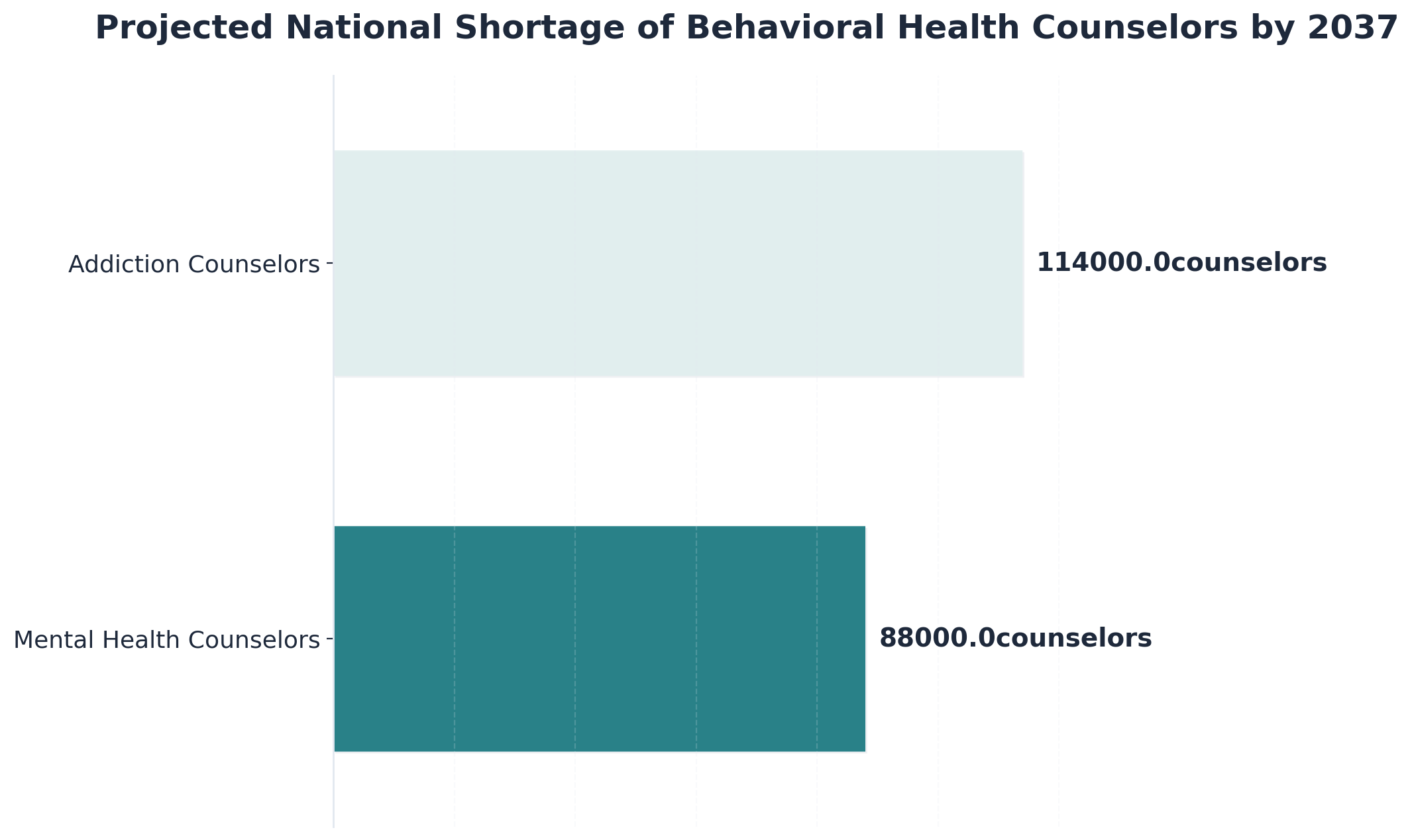
Projected National Shortage of Behavioral Health Counselors by 2037 (National projection by HRSA indicating a severe future workforce shortage in mental health and addiction treatment, which could impact service availability.)
Verify Medical Credentials and Expertise: Confirm that the provider employs licensed medical professionals who specialize in addiction medicine. Board-certified physicians, nurse practitioners, and registered nurses should be directly involved in assessment, monitoring, and care delivery.
Check Accreditation and Connecticut Licensing: Reputable providers maintain proper Connecticut licensing and often hold accreditation from organizations like The Joint Commission or CARF International. To verify Connecticut licensing, visit the Department of Public Health website at portal.ct.gov/dph or call their Healthcare Quality and Safety Branch at (860) 509-7400.
Assess Monitoring Capabilities: Quality residential treatment programs provide frequent check-ins, real-time vital sign monitoring, and 24/7 access to medical support. Some providers use telehealth technology combined with in-person visits, while others rely primarily on scheduled house calls.
Confirm Insurance Acceptance and Financial Transparency: Most established programs work with major insurance carriers and can verify benefits before treatment begins. Request a clear breakdown of costs and what insurance will cover to prevent unexpected financial stress.
Evaluate Continuity of Care Planning: Programs that connect individuals to ongoing treatment options—whether outpatient counseling, support groups, or medication-assisted treatment—demonstrate a commitment to long-term recovery success rather than just short-term stabilization.
Red Flags: Warning Signs of Inadequate Providers
Be cautious of providers who exhibit any of these concerning characteristics:
No requirement for comprehensive medical assessment before admission
Lack of 24/7 emergency access to medical professionals
Inability or unwillingness to provide licensing and accreditation documentation
No clear protocol for handling medical emergencies or complications
Promises of guaranteed outcomes or "cure" claims
Pressure to commit immediately without time to verify credentials
Vague answers about staff qualifications or monitoring frequency
No discharge planning or connection to aftercare resources
Taking time to thoroughly evaluate providers protects both safety and recovery outcomes. Don't hesitate to ask detailed questions, request references, and verify all credentials before making this important decision. If a provider meets these standards and passes Connecticut licensing verification, schedule an initial consultation to discuss specific needs and determine if their approach aligns with individual recovery goals.
State Resources & 24/7 Support Networks
Across Connecticut, statewide resources and 24/7 support networks help individuals and families find their footing when considering at-home detox / withdrawal management ct. 211 Connecticut stands out as a crucial point of contact, providing free, confidential referrals to local detox, withdrawal management, and co-occurring mental health services by phone or online chat—day or night6. For those needing immediate information, the SAMHSA National Helpline operates around the clock, offering support and connection to nearby treatment, including virtual care options suited for at-home detox pathways10. These statewide and national networks work hand-in-hand with DMHAS-funded programs, which not only coordinate crisis response and ongoing care but also maintain up-to-date lists of approved providers, ensuring individuals in Hartford, Danbury, or anywhere in the state can access qualified care quickly.
211 Connecticut & SAMHSA National Helpline
211 Connecticut and the SAMHSA National Helpline are two of the most reliable entry points for individuals and families starting the journey toward at-home detox / withdrawal management ct in the state. Available 24/7, 211 Connecticut offers free, confidential referrals to local and statewide detox, withdrawal management, and co-occurring mental health support—including programs that provide virtual care—through both phone and online chat6. These services have proven especially helpful for residents in urban areas like Hartford and Waterbury as well as rural communities. For anyone needing instant access to national expertise, the SAMHSA National Helpline also provides confidential information, guidance, and direct connections to local and virtual substance use resources at any hour—bridging gaps for those navigating insurance, provider waitlists, or urgent withdrawal concerns10.
DMHAS-Funded Programs & Referral Pathways
DMHAS-funded programs deliver a cornerstone of accessible withdrawal management across Connecticut, overseeing a continuum of services that include home-based options for at-home detox / withdrawal management ct. The Department of Mental Health and Addiction Services (DMHAS) directly funds and coordinates many detox and co-occurring mental health programs—ensuring every region, from Torrington to New Haven, benefits from up-to-date provider lists and clear referral pathways6. These programs connect individuals to licensed, state-approved providers, often partnering with hospitals, clinics, telehealth agencies, and certified recovery support teams. Individuals can enter care through the 211 Access Line or local crisis teams, which assess needs and rapidly triage to home-based withdrawal services when medically appropriate. Studies reveal that referral networks coordinated by DMHAS reduce barriers to both in-person and virtual care, a crucial factor for those struggling with long provider waitlists, insurance concerns, or transportation issues1.
Evaluating Virtual Detox & Continuum of Care
Evaluating virtual detox programs in Connecticut means looking beyond convenience to ensure the provider delivers high-quality, truly comprehensive care. Research shows that the most successful at-home detox / withdrawal management ct programs not only use secure telehealth and frequent clinical check-ins, but also emphasize seamless referrals to ongoing recovery supports, creating a real continuum of care1. Key factors include program credentials, privacy protections, medical oversight, and strong communication between the care team and the individual—elements that are critical given persistent workforce shortages across Hartford, Stamford, and beyond5. Trusted detox providers should be transparent about their state licensure, accreditation status, and HIPAA-compliant technology, with protocols to connect each person to therapy, peer support, and—when needed—intensive services beyond detox.
Credentials, Privacy & HIPAA Compliance
Credentials, privacy protections, and HIPAA compliance form the foundation of any trustworthy at-home detox / withdrawal management ct provider in Connecticut. State regulations require programs to employ credentialed clinicians, such as certified addiction specialists or licensed nurses, and to maintain clear proof of DMHAS licensure and national accreditation (for example, by The Joint Commission or CARF)7, 9. This is especially important as telehealth and remote care are increasingly used across Hartford, Stamford, and smaller towns where workforce shortages persist5. Robust privacy safeguards must be in place: reputable providers exclusively use HIPAA-compliant platforms for video sessions, messaging, and health record storage, ensuring individual health data stays secure and confidential. Research shows Connecticut residents value clear information about privacy and clinical oversight, and asking about these safeguards can make a real difference in peace of mind during recovery1.
Pathfinder Recovery's Comprehensive Model
Pathfinder Recovery’s model for at-home detox / withdrawal management ct is built to meet Connecticut residents where they are—offering virtual care that’s both clinically robust and truly patient-centered. Pathfinder’s telehealth platform connects individuals in every region, from Hartford and Stamford to small towns statewide, with licensed addiction specialists for ongoing withdrawal management. Each care plan relies on evidence-based protocols: clients receive frequent clinical check-ins, medication-assisted treatment when appropriate, and clear referrals to ongoing therapy or peer support—key components for long-term stability. Pathfinder takes extra steps to ensure all virtual interactions are HIPAA-compliant, supporting the strong privacy expectations of Connecticut residents. Their model integrates co-occurring mental health support for those facing both substance use and behavioral health needs, aligning with state standards7. Research shows that high-frequency virtual monitoring and seamless transitions to aftercare are top predictors of recovery engagement in at-home programs1.
Frequently Asked Questions
Is at-home detox as safe as inpatient detoxification in Connecticut?
At-home detox can be as safe as inpatient detoxification for many Connecticut residents, as long as specific safety standards and eligibility criteria are met. Research shows that when at-home detox / withdrawal management ct is medically supervised, with frequent monitoring and a stable home environment, outcomes for mild-to-moderate alcohol withdrawal match those of hospital-based care—79% of home detox participants in one study successfully completed detox in 10 days, nearly identical to inpatient rates4, 1. Connecticut regulations require licensed clinicians to conduct thorough screenings and set up robust protocols for ongoing medical oversight, whether in Hartford, Stamford, or smaller towns7. However, at-home detox is only recommended for people without severe co-occurring medical conditions or a history of complicated withdrawal. For those who meet clinical criteria, at-home withdrawal management delivers privacy, flexibility, and safety, while provider standards and telehealth monitoring help ensure any complications are quickly identified. Always consult a credentialed Connecticut provider to confirm the safest detox option for your individual situation.
What substances can I safely detox from at home in CT?
Connecticut regulations and medical research agree that at-home detox / withdrawal management ct can be safe for substances like alcohol, opioids (such as prescription painkillers or heroin), and certain stimulants—but only for individuals with mild-to-moderate withdrawal risk and no history of severe medical complications1. Alcohol and opioid withdrawal are the most common uses for home-based detox in Connecticut, especially when programs offer frequent clinical check-ins and strong symptom monitoring. However, detoxing from substances like benzodiazepines or barbiturates is generally not considered safe at home due to life-threatening withdrawal risks, and requires inpatient care. Studies reveal that individuals across Connecticut, from Stamford to rural communities, should always consult a licensed provider to determine if home withdrawal is appropriate for their specific substance and situation1.
Does Connecticut Medicaid cover at-home detox services?
Yes, Connecticut Medicaid (Husky Health) does cover at-home detox / withdrawal management ct services for eligible residents. The coverage includes medically supervised withdrawal support, addiction medications, and counseling—whether care is delivered in person, virtually, or in a person’s home. For at-home detox to be covered, the provider must be licensed by the state, adhere to DMHAS and Medicaid clinical standards, and deliver continuous medical oversight from credentialed clinicians. This ensures safe withdrawal management for people across Connecticut, from Bridgeport and Hartford to rural communities7. Coverage may include medication-assisted treatment, mental health support, and regular telehealth check-ins. Residents should confirm their specific plan’s details and network coverage, but statewide, Medicaid helps lower major cost barriers to safe, supervised withdrawal care at home7, 1.
How much does at-home detox typically cost in Connecticut?
The cost of at-home detoxification in Connecticut typically ranges from $1,500 to $5,000, depending on the level of medical supervision, duration of treatment, and specific services included. Programs with 24/7 medical monitoring and comprehensive medication management fall on the higher end of this range, while those with periodic check-ins cost less. Many providers offer payment plans to make treatment more accessible, and insurance coverage can significantly reduce out-of-pocket expenses.
How do I know if I qualify for at-home withdrawal care in Connecticut?
Qualifying for at-home withdrawal care in Connecticut comes down to a few key factors determined by a licensed provider. Individuals are generally eligible if they have mild-to-moderate withdrawal symptoms, a stable home environment, no history of severe withdrawal complications, and support from someone who can help if needed. Providers will use a comprehensive assessment—looking at medical history, substance type, mental health, and home support—before recommending at-home detox / withdrawal management ct1. People with serious medical conditions or unstable living situations are usually referred to higher levels of care for safety. Studies reveal that this careful screening helps ensure both comfort and safety during at-home withdrawal, especially for residents of cities like Stamford or Manchester who want a private, supervised option1.
Does Pathfinder Recovery serve all areas of Connecticut?
Pathfinder Recovery offers virtual at-home detox and withdrawal management services to individuals living throughout Connecticut—including urban centers like Hartford and Stamford as well as smaller towns and rural areas. Because Pathfinder’s model is fully telehealth-based, anyone in the state with a private, stable environment and access to internet or phone can participate, provided they meet clinical criteria for at-home care. This approach helps break geographic barriers that have historically limited access to supervised withdrawal support outside major metro regions1. While Pathfinder does not provide primary mental healthcare, their co-occurring mental health support is available alongside substance use disorder treatment for eligible residents statewide. All services follow Connecticut safety and privacy standards to ensure quality care, wherever you call home.
What happens if I experience a medical emergency during at-home detox?
If a medical emergency arises during at-home detox / withdrawal management ct, individuals should act quickly by calling 911 or their local emergency services—Connecticut regulations require this immediate response to protect health and safety7. Most reputable at-home detox programs include clear instructions for recognizing warning signs and contacting medical professionals at any hour. Telehealth providers stay in close contact through check-ins and symptom monitoring, but emergencies like rapid heartbeat, seizures, severe confusion, or breathing trouble always require urgent in-person care. Research shows that having a supportive person at home, along with a pre-arranged crisis plan, helps minimize risks and ensures help arrives fast if anything serious occurs1. Always follow the emergency steps provided by your withdrawal management team, and keep emergency numbers accessible at all times.
Can I continue working while going through at-home detox in CT?
Yes, many Connecticut residents continue working while participating in at-home detox / withdrawal management ct, provided they meet eligibility criteria for safety and stability. At-home detox programs are designed to fit real-life schedules—individuals in Hartford, Stamford, or smaller towns can often schedule virtual check-ins around their job or family responsibilities. Medical research shows that flexible, outpatient withdrawal management is strongly preferred by people balancing work and recovery, as long as they have mild-to-moderate withdrawal symptoms and a supportive home environment1. Some individuals opt for a lighter work week or remote work during their detox period, while others maintain their usual routine with their provider’s guidance. It’s important to have honest discussions with your care team about your job demands and personal needs, so your plan supports both your health and your work life.
Will my employer or family find out if I use virtual detox services?
Virtual detox programs in Connecticut—like at-home detox / withdrawal management ct—are designed with privacy as a top priority. Accredited providers are required by both state law and HIPAA privacy rules to keep all client health information, including participation in treatment, strictly confidential7. That means your employer or family will not be notified unless you expressly give written permission. Most people use secure telehealth platforms from the privacy of their home, and research shows Connecticut residents value providers who clearly explain confidentiality protections before starting care1. If you’re concerned about privacy, ask the provider about their protocols and who, if anyone, will receive information about your participation. Unless you choose to share your recovery journey, these details remain between you and your care team.
What should I prepare before starting at-home detox?
Preparation increases the likelihood of successful detoxification. Individuals should arrange for a responsible support person to be available, clear their schedule of work and obligations for the detox period, stock up on comfortable clothing and bedding, and ensure easy-to-digest foods are available. Removing all substances from the home, arranging transportation to medical appointments (if needed), and preparing a quiet, comfortable recovery space are essential steps. Discussing any current medications with the detox provider beforehand prevents potential complications.
What if I've already tried traditional rehab and relapsed—will at-home detox work for me?
Relapse after traditional rehab is common in Connecticut, with 88% of individuals admitted for opioid or heroin use in 2020 having been in treatment before3. At-home detox / withdrawal management ct offers a different approach—one that centers on privacy, comfort, and consistent virtual monitoring. Studies reveal many people in places like Hartford and Bridgeport feel more engaged with their care when it fits into daily life and removes the stigma sometimes present in facility-based programs1. While at-home withdrawal management is not a guarantee against relapse, research shows matching the right patient to an outpatient, home-based plan leads to stronger engagement and recovery outcomes, especially when supervised by credentialed clinicians and supported with frequent check-ins1. This pathway is best suited for those with mild-to-moderate withdrawal symptoms and a stable home environment, and may help break the cycle of repeated admissions by addressing real-world barriers that led to previous setbacks.
How does remote monitoring work during at-home detoxification?
Remote monitoring is a key part of at-home detox / withdrawal management ct, ensuring that Connecticut residents receive medical oversight even outside a clinic. Typically, individuals use secure telehealth platforms or smartphone apps to check in with licensed clinicians—sometimes daily. These check-ins include symptom surveys, medication updates, and sometimes video calls so providers can assess physical and mental status. If someone develops new symptoms, the clinician can adjust the care plan immediately or escalate to in-person support if needed. This real-time, interactive monitoring helps catch complications early and gives patients in places like Hartford or New Haven peace of mind during withdrawal1, 7. Studies reveal most people appreciate the privacy and flexibility these virtual tools bring, while still getting the supervision needed for safe recovery at home1.
Can I receive medication-assisted treatment through virtual care in Connecticut?
Yes—Connecticut residents can receive medication-assisted treatment (MAT) through virtual care as part of at-home detox / withdrawal management ct. Licensed clinicians use secure telehealth platforms to prescribe and manage addiction medications like buprenorphine (Suboxone) or naltrexone, guiding individuals throughout the withdrawal process and beyond1. Virtual MAT services are available both in major cities like Hartford and suburban or rural communities, helping people overcome transportation and scheduling barriers. Research shows that offering MAT remotely, with real-time check-ins and symptom monitoring, improves detox completion rates and promotes continued engagement in recovery1. State regulations require that all prescribing and patient communication follow strict safety and privacy standards, so residents can feel confident their virtual detox care—including all aspects of medication management—is aligned with Connecticut law and clinical best practices.
What credentials should I look for in an at-home detox provider in CT?
When considering an at-home detox / withdrawal management ct provider in Connecticut, it’s essential to look for programs licensed by the Department of Mental Health and Addiction Services (DMHAS) and accredited by recognized organizations such as The Joint Commission or CARF7, 9. Providers should employ credentialed clinicians—like certified addiction specialists, licensed clinical social workers, or registered nurses—with experience in substance use care. Strong programs also follow evidence-based protocols, use HIPAA-compliant telehealth platforms for privacy, and provide regular medical monitoring throughout withdrawal1. Industry leaders find that confirming these qualifications, along with transparent privacy and emergency procedures, helps ensure individuals receive safe, high-quality care. Always ask about a provider’s specific credentials, state licensure, and clinical standards before starting remote withdrawal management.
How long does at-home detox typically take in Connecticut?
Most at-home detox / withdrawal management ct programs in Connecticut last about 5 to 10 days, depending on the substance involved and individual health factors. For alcohol withdrawal, clinical studies show nearly 79% of participants complete home detox within 10 days—comparable to rates in hospital day programs4. Opioid withdrawal at home generally follows a similar timeline, but plans are always tailored to withdrawal severity, medical stability, and home support. Some individuals may require additional days for symptom monitoring or medication adjustments. Research highlights that close telehealth supervision and frequent check-ins help ensure a safe and effective process throughout the full course of home-based detoxification1.
What support is available for families during the at-home detox process?
Families in Connecticut play an important role in supporting loved ones through at-home detox / withdrawal management ct, and several resources are available to guide them. Reputable home-based detox programs provide education on what to expect, tips for keeping the home safe and supportive, and contact instructions for the care team or clinicians—ensuring family members are never left out of the loop. Many providers offer access to family educational sessions or confidential coaching via telehealth, helping answer questions and reduce anxiety around the process. Studies reveal that real-time support—whether by 211 Connecticut, DMHAS-funded crisis teams, or access to licensed professionals for urgent concerns—can make family involvement less stressful and more effective6, 1. Families are also encouraged to use helplines like SAMHSA’s National Helpline for added guidance and connections to city-specific counseling or peer support organizations. These supports help families across the state, from Hartford to Groton, feel prepared and reassured throughout the home withdrawal journey.
Does at-home detox include co-occurring mental health treatment?
At-home detox / withdrawal management ct in Connecticut can include care for co-occurring mental health conditions, but only when delivered by providers trained and licensed for both substance use and behavioral health support. State regulations require that these home- or virtual-based services focus on safe withdrawal management—such as medication, symptom monitoring, and counseling for those with mild-to-moderate withdrawal symptoms—while also addressing mental health needs that arise alongside substance use disorders7. Pathfinder Recovery, for example, does not provide primary mental healthcare, but does support individuals with co-occurring mental health challenges in the context of SUD treatment, as long as it is integrated into the withdrawal management plan and supervised by credentialed clinicians1. Anyone with more severe or primary mental health conditions will be referred to appropriate specialty care. Research shows that combining withdrawal support with mental health counseling improves overall outcomes and engagement for many people in cities like Stamford or Manchester1.
No items found.
{"@context":"https://schema.org","@type":"FAQPage","mainEntity":[{"@type":"Question","name":"Is at-home detox as safe as inpatient detoxification in Connecticut?","acceptedAnswer":{"@type":"Answer","text":"At-home detox can be as safe as inpatient detoxification for many Connecticut residents, as long as specific safety standards and eligibility criteria are met. Research shows that when at-home detox / withdrawal management ct is medically supervised, with frequent monitoring and a stable home environment, outcomes for mild-to-moderate alcohol withdrawal match those of hospital-based care\u201479% of home detox participants in one study successfully completed detox in 10 days, nearly identical to inpatient rates. Connecticut regulations require licensed clinicians to conduct thorough screenings and set up robust protocols for ongoing medical oversight. However, at-home detox is only recommended for people without severe co-occurring medical conditions or a history of complicated withdrawal."}},{"@type":"Question","name":"What substances can I safely detox from at home in CT?","acceptedAnswer":{"@type":"Answer","text":"Connecticut regulations and medical research agree that at-home detox / withdrawal management ct can be safe for substances like alcohol, opioids (such as prescription painkillers or heroin), and certain stimulants\u2014but only for individuals with mild-to-moderate withdrawal risk. Alcohol and opioid withdrawal are the most common uses for home-based detox in Connecticut. However, detoxing from substances like benzodiazepines or barbiturates is generally not considered safe at home due to life-threatening withdrawal risks and requires inpatient care."}},{"@type":"Question","name":"Does Connecticut Medicaid cover at-home detox services?","acceptedAnswer":{"@type":"Answer","text":"Yes, Connecticut Medicaid (Husky Health) does cover at-home detox / withdrawal management ct services for eligible residents. The coverage includes medically supervised withdrawal support, addiction medications, and counseling. For at-home detox to be covered, the provider must be licensed by the state, adhere to DMHAS and Medicaid clinical standards, and deliver continuous medical oversight from credentialed clinicians."}},{"@type":"Question","name":"How much does at-home detox typically cost in Connecticut?","acceptedAnswer":{"@type":"Answer","text":"The cost of at-home detoxification in Connecticut typically ranges from $1,500 to $5,000, depending on the level of medical supervision, duration of treatment, and specific services included. Programs with 24/7 medical monitoring and comprehensive medication management fall on the higher end of this range, while those with periodic check-ins cost less. Insurance coverage can significantly reduce these out-of-pocket expenses."}},{"@type":"Question","name":"How do I know if I qualify for at-home withdrawal care in Connecticut?","acceptedAnswer":{"@type":"Answer","text":"Qualifying for at-home withdrawal care in Connecticut comes down to a few key factors determined by a licensed provider. Individuals are generally eligible if they have mild-to-moderate withdrawal symptoms, a stable home environment, no history of severe withdrawal complications, and support from someone who can help if needed. Providers will use a comprehensive assessment before recommending at-home detox / withdrawal management ct."}},{"@type":"Question","name":"Does Pathfinder Recovery serve all areas of Connecticut?","acceptedAnswer":{"@type":"Answer","text":"Pathfinder Recovery offers virtual at-home detox and withdrawal management services to individuals living throughout Connecticut\u2014including urban centers like Hartford and Stamford as well as smaller towns and rural areas. Because Pathfinder\u2019s model is fully telehealth-based, anyone in the state with a private, stable environment and access to internet or phone can participate, provided they meet clinical criteria for at-home care."}},{"@type":"Question","name":"What happens if I experience a medical emergency during at-home detox?","acceptedAnswer":{"@type":"Answer","text":"If a medical emergency arises during at-home detox / withdrawal management ct, individuals should act quickly by calling 911 or their local emergency services. Most reputable at-home detox programs include clear instructions for recognizing warning signs and contacting medical professionals at any hour. Emergencies like rapid heartbeat, seizures, severe confusion, or breathing trouble always require urgent in-person care."}},{"@type":"Question","name":"Can I continue working while going through at-home detox in CT?","acceptedAnswer":{"@type":"Answer","text":"Yes, many Connecticut residents continue working while participating in at-home detox / withdrawal management ct, provided they meet eligibility criteria for safety and stability. At-home detox programs are designed to fit real-life schedules\u2014individuals can often schedule virtual check-ins around their job or family responsibilities. Some individuals opt for a lighter work week or remote work during their detox period."}},{"@type":"Question","name":"Will my employer or family find out if I use virtual detox services?","acceptedAnswer":{"@type":"Answer","text":"Virtual detox programs in Connecticut are designed with privacy as a top priority. Accredited providers are required by both state law and HIPAA privacy rules to keep all client health information strictly confidential. Your employer or family will not be notified unless you expressly give written permission."}},{"@type":"Question","name":"What should I prepare before starting at-home detox?","acceptedAnswer":{"@type":"Answer","text":"Preparation increases the likelihood of successful detoxification. Individuals should arrange for a responsible support person to be available, clear their schedule of work and obligations for the detox period, stock up on comfortable clothing and bedding, and ensure easy-to-digest foods are available. Removing all substances from the home and arranging transportation to medical appointments (if needed) are essential steps."}},{"@type":"Question","name":"What if I've already tried traditional rehab and relapsed\u2014will at-home detox work for me?","acceptedAnswer":{"@type":"Answer","text":"Relapse after traditional rehab is common. At-home detox / withdrawal management ct offers a different approach\u2014one that centers on privacy, comfort, and consistent virtual monitoring. While at-home withdrawal management is not a guarantee against relapse, research shows matching the right patient to an outpatient, home-based plan leads to stronger engagement and recovery outcomes."}},{"@type":"Question","name":"How does remote monitoring work during at-home detoxification?","acceptedAnswer":{"@type":"Answer","text":"Remote monitoring is a key part of at-home detox / withdrawal management ct. Typically, individuals use secure telehealth platforms or smartphone apps to check in with licensed clinicians\u2014sometimes daily. These check-ins include symptom surveys, medication updates, and video calls so providers can assess physical and mental status."}},{"@type":"Question","name":"Can I receive medication-assisted treatment through virtual care in Connecticut?","acceptedAnswer":{"@type":"Answer","text":"Yes\u2014Connecticut residents can receive medication-assisted treatment (MAT) through virtual care as part of at-home detox / withdrawal management ct. Licensed clinicians use secure telehealth platforms to prescribe and manage addiction medications like buprenorphine (Suboxone) or naltrexone, guiding individuals throughout the withdrawal process and beyond."}},{"@type":"Question","name":"What credentials should I look for in an at-home detox provider in CT?","acceptedAnswer":{"@type":"Answer","text":"Look for programs licensed by the Department of Mental Health and Addiction Services (DMHAS) and accredited by recognized organizations such as The Joint Commission or CARF. Providers should employ credentialed clinicians\u2014like certified addiction specialists, licensed clinical social workers, or registered nurses\u2014with experience in substance use care."}},{"@type":"Question","name":"How long does at-home detox typically take in Connecticut?","acceptedAnswer":{"@type":"Answer","text":"Most at-home detox / withdrawal management ct programs in Connecticut last about 5 to 10 days, depending on the substance involved and individual health factors. For alcohol withdrawal, clinical studies show nearly 79% of participants complete home detox within 10 days. Opioid withdrawal at home generally follows a similar timeline."}},{"@type":"Question","name":"What support is available for families during the at-home detox process?","acceptedAnswer":{"@type":"Answer","text":"Families in Connecticut play an important role in supporting loved ones through at-home detox / withdrawal management ct. Reputable home-based detox programs provide education on what to expect, tips for keeping the home safe and supportive, and contact instructions for the care team or clinicians. Many providers offer access to family educational sessions or confidential coaching via telehealth."}},{"@type":"Question","name":"Does at-home detox include co-occurring mental health treatment?","acceptedAnswer":{"@type":"Answer","text":"At-home detox / withdrawal management ct in Connecticut can include care for co-occurring mental health conditions, but only when delivered by providers trained and licensed for both substance use and behavioral health support. Pathfinder Recovery, for example, does not provide primary mental healthcare, but does support individuals with co-occurring mental health challenges in the context of SUD treatment."}}]}
Conclusion
At-home detox in Connecticut offers a valuable middle ground for individuals who need medical supervision during withdrawal but don't require 24-hour inpatient care. As explored throughout this article, this treatment option combines professional medical oversight with the comfort and privacy of recovering in a familiar environment, making it an appealing choice for many Connecticut residents facing substance dependence.
The key to successful at-home detox lies in proper assessment and candidate selection. Not everyone is appropriate for this level of care—those with severe addiction, significant medical complications, or unstable home environments typically require more intensive treatment settings. However, for individuals with mild to moderate dependence, strong support systems, and stable living situations, at-home detox can provide effective medical management while allowing them to maintain certain daily responsibilities.
When choosing an at-home detox provider in Connecticut, residents should prioritize programs offering comprehensive medical evaluation, 24/7 clinical availability, medication management when appropriate, and clear protocols for escalating care if complications arise. The provider's experience with your specific substance of dependence, their coordination with follow-up treatment services, and their approach to involving family members are all critical factors in achieving safe, successful outcomes.
Understanding what to expect—from the initial assessment through withdrawal management and transition to ongoing treatment—helps individuals and families prepare mentally and practically for the detox process. Having realistic expectations about withdrawal timelines, symptom management, and the need for continued care after detox reduces anxiety and increases treatment engagement.
If you're a Connecticut resident considering at-home detox, the first step is scheduling a professional assessment to determine whether this level of care matches your clinical needs and personal circumstances. Reaching out to qualified providers, asking detailed questions about their protocols and services, and involving supportive family members or friends in the planning process can set the foundation for a safe and effective detox experience.
Recovery begins with medically supervised detox, but it doesn't end there. By choosing the right detox setting and connecting with appropriate follow-up care, Connecticut residents can take that crucial first step toward lasting recovery with the medical support and safety they deserve.
Pathfinder Recovery offers in-home addiction and mental health treatment that fits your life — not the other way around.From at-home detox and MAT to virtual IOP and peer support, our licensed clinicians bring evidence-based care to you through secure telehealth.
The Pathfinder Recovery App and Smart Ring keep your care team connected to your progress between sessions — monitoring sleep, stress, and recovery milestones in real time.It’s proactive, private, and personalized — so support is always within reach.
Compare PHP vs inpatient care to find the right level of support for your recovery. Learn which treatment best fits your needs, goals, and stage in the healing journey.
Kratom Withdrawal Support from home with symptoms, timelines, and safe treatment options from Pathfinder recovery to help you detox comfortably safely today.
Explore a safe, compassionate Telehealth Detox Program with Pathfinder Recovery—virtual detox support that ensures comfort, medical guidance, and seamless continuity of care.


.jpg)