
Rehab that Accepts Masshealth in Massachusetts
Learn how to access virtual and integrated addiction treatment with $0 copays through a rehab that accepts MassHealth for comprehensive support.

January 30, 2026


Written and reviewed by the leadership team at Pathfinder Recovery, including licensed medical and clinical professionals with over 30 years of experience in addiction and mental health care.
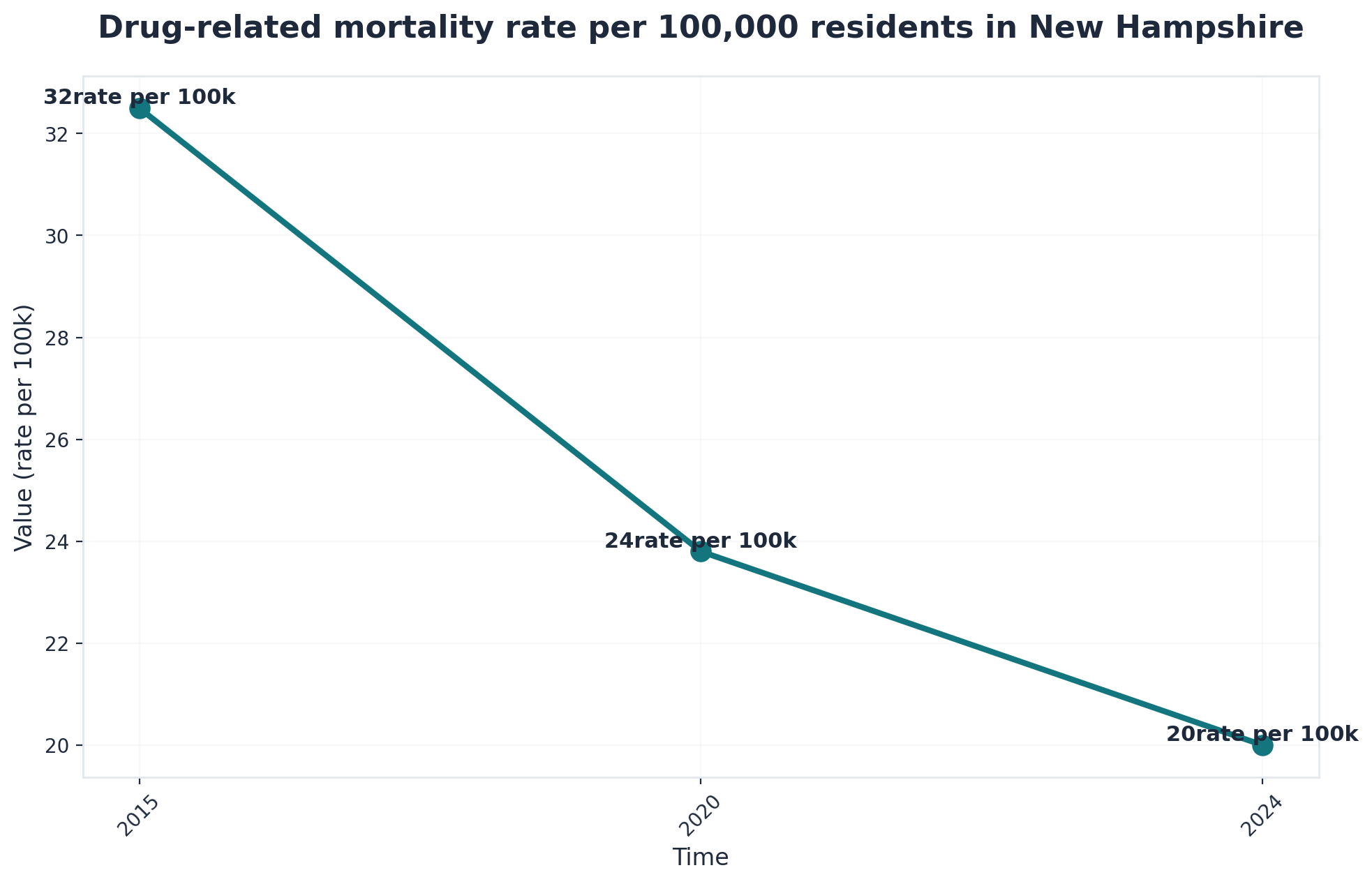
New Hampshire has witnessed a significant evolution in how individuals access addiction treatment, with residential-free detoxification services emerging as a viable alternative to traditional inpatient programs. For many residents, at-home detox / withdrawal management nh offers a safe, private, and effective path to recovery. According to the New Hampshire Department of Health and Human Services, telehealth-based addiction treatment services increased by 340% between 2019 and 2023, with at-home detox programs representing the fastest-growing segment.
This shift reflects both technological advances in telehealth and a growing recognition that medically supervised withdrawal can occur safely in familiar surroundings when properly structured. The state's residential-free detoxification landscape encompasses several distinct service models:
The Granite State's geography plays a crucial role in shaping residential-free detoxification availability. Rural communities in the North Country and Lakes Region often face limited options for brick-and-mortar treatment facilities, making remote and mobile alternatives particularly valuable.
"Programs like Granite Recovery Centers and Serenity Place have reported completion rates exceeding 75% for patients who meet clinical eligibility requirements for at-home detox services."
Providers now routinely prescribe medications like buprenorphine for managing opioid withdrawal in outpatient contexts, supported by regular telehealth monitoring. Similarly, benzodiazepine-assisted protocols for alcohol detoxification have become more standardized for appropriate candidates. Despite these advances, significant variations exist in service quality and eligibility requirements, underscoring the importance of understanding the regulatory framework.
Withdrawal management options in New Hampshire range from traditional inpatient facilities to newer, medically-supervised at-home detox programs tailored for mild to moderate substance use challenges. For many in the Granite State, especially those in rural communities or with family and work commitments, at-home models offer structured support without the need to leave home.
These programs typically include telehealth visits, regular monitoring with licensed clinicians, and access to FDA-approved medications for symptom relief and safety2. Careful clinical assessment is key to matching individual needs with the safest setting.
In New Hampshire, at-home detox describes a medically-supervised process where individuals manage substance withdrawal in their own space while receiving structured clinical support through telehealth and regular check-ins. This model gives residents in cities like Concord, Nashua, and remote parts of the North Country an option that fits New Hampshire’s need for privacy, flexibility, and rural accessibility.
Local regulations—shaped by DHHS licensing and the state’s Section 1115 Medicaid waiver—specifically allow medication-assisted withdrawal management outside of hospitals, provided safety protocols are strictly followed5. That means qualified people can access physician-directed care and FDA-approved medications for withdrawal symptoms at home, which research shows often improves both comfort and treatment completion rates in the Granite State2.
Clinical research and New Hampshire's own experience show that medically-supervised at-home detox delivers outcomes similar to inpatient care for people with mild to moderate withdrawal symptoms. Studies in the state have found higher completion rates and smoother transitions into ongoing support among those choosing outpatient or virtual models.
These flexible approaches reduce stigma, eliminate travel barriers, and let individuals remain engaged with family or work responsibilities2. While at-home detox / withdrawal management nh programs are impactful in rural regions where residential beds are scarce, those facing severe co-occurring conditions or complex withdrawals may still require the structure of hospital-based care.
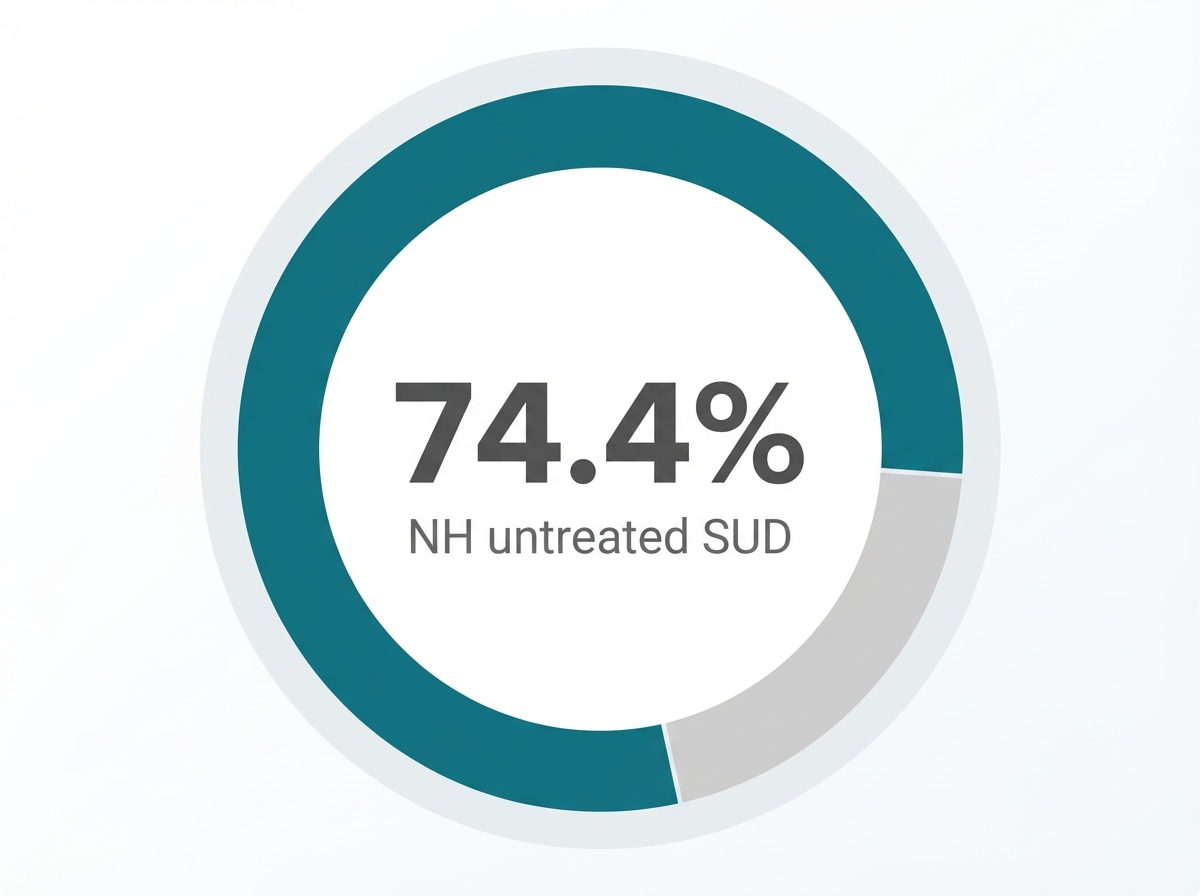
New Hampshire’s treatment access crisis is one of the biggest hurdles in tackling substance use statewide. Nearly three-quarters of adults who need support still aren’t getting any, with 74% left outside the treatment system in 2022–20239. This gap is most striking in rural regions and smaller cities, where the shortage of treatment providers, stigma, and transportation challenges layer on barriers.
While major hubs like Manchester and Nashua may offer more options, many in the North Country or the Seacoast face long waitlists or no local care at all. The result is that people often go without any withdrawal management—sometimes risking their health. At-home detox models aim to break down these barriers by offering care directly to people, no matter their location or schedule.
Numbers from 2022–2023 reveal that roughly 74% of New Hampshire adults who needed substance use disorder care did not receive it, making the Granite State’s treatment gap one of the largest in New England9. This overwhelming figure affects individuals statewide, not just in small towns but also in larger cities like Nashua and Concord.
Cultural stigma, provider shortages, and a lack of flexible care models are all cited as core reasons that people go without necessary withdrawal management or outpatient detox support. Although virtual and at-home detox services are expanding, significant barriers to awareness and accessibility persist for thousands of residents9.
Virtual care is breaking down many of New Hampshire’s most stubborn treatment barriers, especially in regions that have long struggled with workforce shortages and transportation issues. Statewide telehealth expansion means that people in remote areas—from the North Country to the Seacoast—can now access medically-supervised withdrawal care and clinical check-ins right from home.
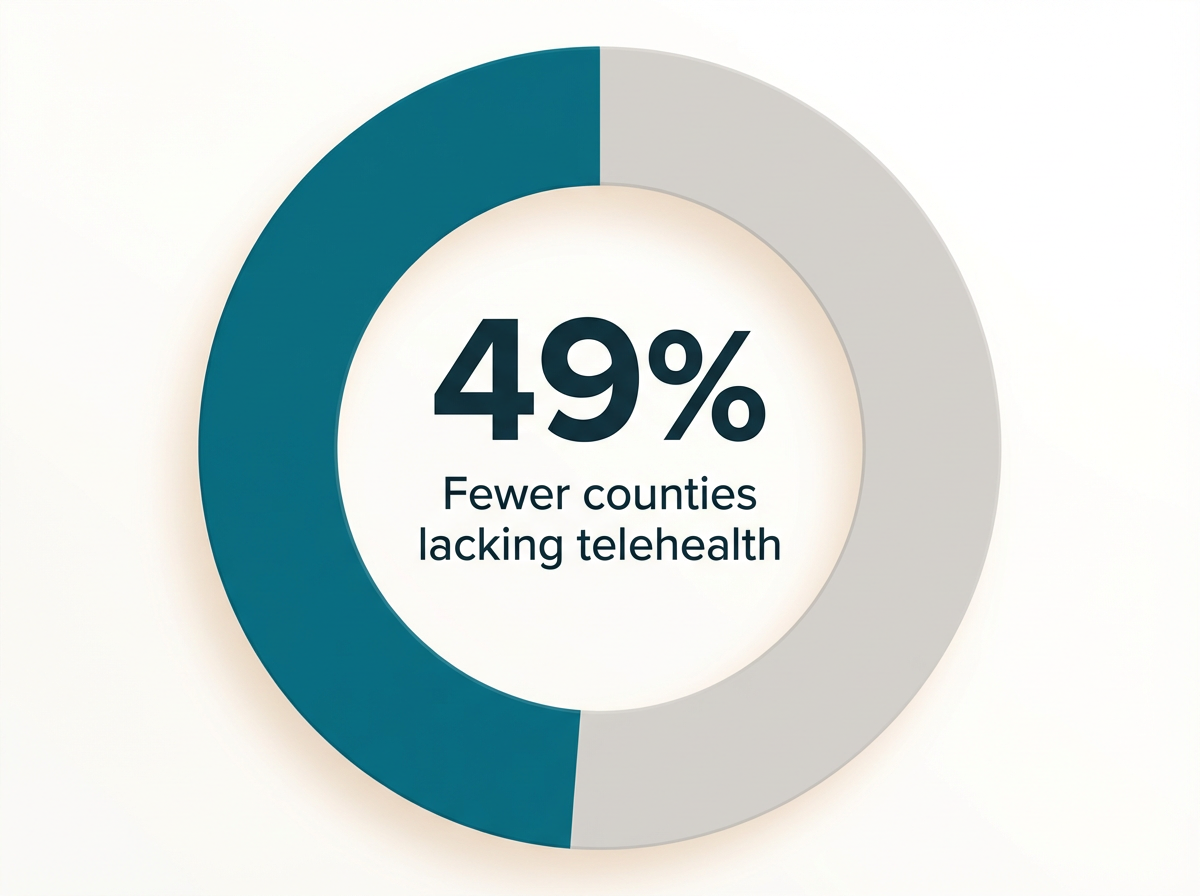
Recent studies show a striking 49% reduction in counties without access to opioid use disorder treatment through virtual service delivery, highlighting telehealth’s capacity to close care gaps in rural New Hampshire7. Options like virtual monitoring, digital reminders, and clinician video visits are making withdrawal management a real possibility for more people across the state.
Building on the diverse treatment landscape available across New Hampshire, understanding the regulatory framework that governs these services is essential for ensuring both quality and accessibility. The state operates under a regulatory framework that emphasizes patient safety while expanding treatment accessibility for substance use disorders.
Healthcare providers offering detoxification services—whether in residential facilities or through outpatient programs—must maintain appropriate licensing through the Department of Health and Human Services. Specifically, they must adhere to He-P 804 regulations for substance use disorder treatment programs. These regulations ensure that individuals receive medically supervised care that meets established safety standards, particularly important during the vulnerable detoxification period.
| Insurance Type | Coverage Level | Typical Requirements |
|---|---|---|
| NH Medicaid (Healthy Families) | High (Comprehensive) | Standard benefit; fewer out-of-pocket costs. |
| Commercial/Private | 60-80% after deductible | Prior authorization (2-5 days); proof of medical necessity. |
| Medicare | Varies (Part B/D) | Strict criteria for "medically necessary" outpatient services. |
The state's participation in Medicaid expansion has improved treatment accessibility for many residents, with coverage extending to adults who previously fell into the coverage gap. NH also maintains the Doorway program, a statewide network that connects individuals to treatment resources regardless of insurance status or ability to pay.
NH’s approach to at-home detox / withdrawal management nh hinges on robust Medicaid waiver policies and strict licensing oversight by the Department of Health and Human Services (DHHS). Under the state’s extended Section 1115 Medicaid waiver, programs can provide medication-assisted withdrawal support in non-hospital environments, as long as they maintain safety and quality protocols5.
All providers delivering these services—whether in Manchester or the North Country—must meet DHHS licensing requirements, ensuring only qualified entities operate in this arena. This regulatory clarity boosts access to withdrawal management at home, while protecting residents through uniform standards across virtual and ambulatory treatment.
New Hampshire’s Section 1115 Medicaid waiver has been extended through June 2029, guaranteeing funding and regulatory support for at-home detox and withdrawal management in the state5. This long-term authorization allows programs across the state—including those in the Seacoast, North Country, and Greater Manchester—to deliver medication-assisted withdrawal services in non-hospital and home-based settings as long as safety protocols are met.
By locking in Section 1115 approval for several more years, New Hampshire ensures stability in access to virtual withdrawal management, directly benefitting individuals who rely on telehealth for substance use disorder treatment. For residents considering at-home detox, this extension means both insurance coverage and provider participation are here to stay.
SUD-RFT (Substance Use Disorder Residential Facility Treatment) licensing plays a key role in ensuring the safety and quality of at-home detox and withdrawal management in New Hampshire. All providers offering these non-hospital withdrawal services must be licensed by the Department of Health and Human Services (DHHS), meeting strict criteria for staff qualifications, clinical protocols, and ongoing medical oversight.
This licensing standard covers organizations serving NH residents virtually or on an ambulatory basis from the Seacoast to the North Country, building trust and protecting individuals during recovery. The SUD-RFT process reinforces that at-home detox meets evidence-based standards—meaning participants receive monitored, pharmacist-supported medication and support similar in quality to established residential care2.
Insurance coverage for at-home detox and withdrawal management in New Hampshire has improved in recent years, mainly because of expanded Medicaid policies and increased state attention to coverage standards. Medicaid recipients in the Granite State can access home-based detox services without prohibitive costs, while more private insurance plans now list withdrawal management as a covered benefit.
However, some private plans require prior authorization or extensive paperwork, creating barriers for individuals ready to get help. Research shows administrative hurdles and inconsistent approval processes slow down timely access to evidence-based care, especially in rural parts of NH where treatment gaps are most acute9.
Medicaid expansion has been a major turning point for increasing access to at-home detox and withdrawal management in New Hampshire. Over the past decade, the number of Medicaid recipients getting substance use disorder treatment jumped from just 2,265 in 2013 to more than 10,000 by 2024—a nearly fivefold increase directly tied to expanded eligibility and service coverage9.
This means more Granite Staters, no matter if they live in cities like Concord or rural towns in the North Country, are able to use insurance for home-based detox care instead of facing high out-of-pocket costs. Industry experts confirm that the growth of at-home detox is closely linked to this Medicaid-driven boost, as expanded funding allows providers to offer evidence-based services like medication-assisted withdrawal and telehealth check-ins even to underserved communities.
Private insurance often requires prior authorization before covering at-home detox and withdrawal management services in New Hampshire, creating real obstacles for many families. Residents from Nashua to the Seacoast may face unexpected delays or denials due to complicated paperwork, limited provider networks, and varying definitions of what constitutes "medically necessary" withdrawal support.
Industry leaders find that administrative barriers, such as inconsistent decisions and lengthy appeals, slow down access to safe, evidence-based outpatient detox—even though at-home options like telehealth-based withdrawal management are proven effective and cost-efficient9. Navigating these challenges often requires persistent advocacy from both healthcare providers and individuals themselves.
While New Hampshire's regulatory framework establishes consistent treatment standards statewide, the state's geography and population distribution significantly influence how these services are actually accessed across different regions. Physical location determines not just which providers are available, but how quickly someone in crisis can connect with life-saving care.
Telehealth services have emerged as a vital bridge across these geographic divides, enabling individuals throughout the state to receive professional support regardless of location. In Berlin, a partnership between Androscoggin Valley Hospital and Manchester-based providers now allows patients to receive daily medication-assisted treatment check-ins via video conference, eliminating the previous 90-mile round trip for routine appointments.
Rural and urban communities in New Hampshire experience very different realities when it comes to accessing at-home detox and withdrawal management. In smaller towns and the North Country, residents have traditionally faced longer travel times, fewer providers, and limited access to evidence-based support. Urban areas like Manchester and Nashua might offer more in-person programs, but both rural and city dwellers benefit from the expansion of virtual withdrawal management nh services.
Recent data reveals a 49% reduction in rural counties without opioid use disorder treatment thanks to telehealth and digital detox programs—closing one of the state’s biggest gaps7. At-home detox models also help overcome stigma in tight-knit rural communities, giving people the option of private, medical support at home.
Telehealth has dramatically increased access to withdrawal management in rural New Hampshire, driving a 49% reduction in counties without opioid use disorder treatment over recent years7. For residents in the North Country, Lakes Region, and other rural communities, this means that at-home detox / withdrawal management nh is no longer out of reach due to long drives or provider shortages.
Clinical studies show that telemedicine helps remove geographic barriers and connects more individuals to evidence-based withdrawal care from wherever they live, using tools such as virtual clinician visits and remote monitoring9. This progress is especially meaningful for towns where stigma and tight-knit communities may discourage traveling for help, since confidential telehealth appointments and online withdrawal support are far more discreet.
The NH Doorways network plays a pivotal role in helping residents—especially in rural and small-town New Hampshire—find the right at-home detox / withdrawal management nh resources. Since 2019, Doorways has served over 56,000 individuals and provided more than 28,000 treatment referrals statewide, connecting people from hubs like Manchester and Nashua to remote areas such as the North Country and Lakes Region9.
By offering walk-in assessments, same-day clinical evaluations, and care navigation, Doorways ensures that anyone seeking withdrawal support is quickly guided to safe, evidence-based options, including virtual monitoring and home-based care. Local Doorways locations act as an information bridge, answering questions about program eligibility, insurance coverage, and available telehealth withdrawal management solutions.
Not everyone in New Hampshire is a fit for at-home detox or remote withdrawal management. Programs follow state and national best practices by evaluating each person’s medical history, withdrawal severity, and home environment during an initial clinical assessment. Most individuals who qualify have mild or moderate withdrawal symptoms, stable health, and access to a safe, supportive space—criteria based on the ASAM (American Society of Addiction Medicine) guidelines that New Hampshire providers use widely6.
Those with complex health needs, severe co-occurring conditions, or unstable living situations are typically referred to inpatient care for safety. At-home detox / withdrawal management nh is especially accessible for folks in the North Country, Concord, or the Seacoast if they can use telehealth tools at home and have reliable check-ins with a medical team.
The ASAM Criteria—used by New Hampshire providers statewide—sets the gold standard for deciding who is safe to start at-home detox / withdrawal management nh. This detailed clinical assessment looks at six core areas:
During an intake, licensed clinicians review a person’s substance use history, check vital signs, screen for serious health or psychiatric concerns, and confirm there’s a supportive home environment for virtual withdrawal management. In practice, this means that only New Hampshire residents with mild to moderate symptoms and stable health are recommended for home-based detox.
In some situations, inpatient care is the safest and most effective option in New Hampshire—especially for individuals with severe or complicated withdrawal symptoms, unstable medical or mental health conditions, or limited support at home. Clinicians in the state rely on standardized tools to identify when the risks of at-home detox outweigh the benefits.
Research and current New Hampshire protocols agree that inpatient withdrawal management is necessary for those with high risk of seizures, severe co-occurring psychiatric disorders, active suicidal thoughts, or homelessness, ensuring immediate access to 24/7 medical support and monitoring2. Recognizing these limits protects people from avoidable complications, directing them to the level of support they need.
When considering at-home detoxification in New Hampshire, understanding medication-assisted withdrawal protocols becomes crucial for making informed decisions about your care. These protocols determine whether home-based detox is medically appropriate and how healthcare providers can safely support withdrawal in a residential setting.
Healthcare providers utilize FDA-approved medications to manage specific withdrawal symptoms based on the substance involved, with protocols adapted for home administration when clinically appropriate.
Beyond symptom management, home-based protocols include continuous remote monitoring of vital signs and mental status through telehealth technology. Healthcare professionals conduct scheduled video consultations where patients report vital signs using home monitoring equipment—tracking heart rate, blood pressure, temperature, and hydration levels to identify any concerning changes early.
New Hampshire’s at-home detox / withdrawal management nh protocols rely on FDA-approved medications, which are a cornerstone of keeping withdrawal safe and manageable. Medications such as buprenorphine and naltrexone are frequently prescribed in home-based detox plans, working to ease withdrawal symptoms and lower risks of complications during the first critical days.
Studies confirm that, for people with mild to moderate symptoms, using these medications in conjunction with telehealth and remote monitoring helps achieve outcomes similar to those of inpatient care—often resulting in higher treatment completion rates statewide2. With virtual psychiatric oversight, telehealth detox patients receive dose adjustments and close monitoring, supporting individuals everywhere from Nashua to the North Country.
Buprenorphine and naltrexone are the most commonly used FDA-approved medications for at-home detox / withdrawal management nh, playing a vital role in the safety and comfort of Granite Staters starting recovery in their own homes. For people with mild to moderate opioid or alcohol withdrawal, buprenorphine offers gentle symptom relief while reducing the risk of relapse, which makes it well-suited for remote withdrawal support protocols.
Naltrexone can be prescribed for those who have already achieved initial abstinence and want to maintain it without daily dosing, supporting continued sobriety alongside telehealth detox supervision. Both medications are part of New Hampshire’s evidence-based approach and can be started with close virtual monitoring by a clinician, giving individuals from Nashua to the North Country access to the same standards of care found in major urban centers.
Virtual psychiatric monitoring is a cornerstone of safe at-home detox / withdrawal management nh, ensuring that each individual has real-time access to licensed clinicians for medication oversight and symptom tracking. In New Hampshire, telehealth platforms allow professionals to adjust dosing of medications like buprenorphine and naltrexone based on daily check-ins, reported side effects, and withdrawal symptom scales.
This remote withdrawal support not only maintains clinical safety but also helps spot complications early, even for those in rural areas. Studies confirm that telehealth-based detox, with regular psychiatric evaluation and digital wellness surveys, matches or surpasses in-person care for treatment retention and timely medication adjustments2.
Transitioning from at-home detox / withdrawal management nh to long-term recovery is a critical step in helping Granite Staters move beyond the withdrawal phase and sustain sobriety. In New Hampshire, clinicians emphasize a seamless handoff from medication-assisted withdrawal to ongoing outpatient or virtual care—often including options like maintenance medication, counseling, and connections to local peer support or Recovery Community Organizations2.
Virtual withdrawal support and remote monitoring don’t end at detox; instead, they smooth the transition by ensuring continued access to clinicians, regular check-ins, and individualized recovery planning. This approach is especially helpful for residents in rural areas or smaller cities, who might lack in-person recovery resources but can benefit from digital recovery community integration and ongoing telehealth counseling.
Maintenance medication-assisted treatment (MAT) and detox-only approaches represent two distinct recovery paths for New Hampshire residents completing at-home detox. Maintenance MAT involves ongoing use of medications like buprenorphine or naltrexone with continuous clinical oversight, helping prevent relapse and stabilize recovery well beyond the initial withdrawal period.
In contrast, detox-only models use medication support just long enough to manage symptoms and then discontinue, recommending counseling or peer support as the next step without long-term medication. Clinical guidelines in New Hampshire increasingly favor maintenance MAT for individuals with moderate to severe substance use histories, as research shows this leads to higher retention and improved outcomes—particularly in rural and underserved regions with limited access to frequent in-person care2.
Peer support and recovery community integration have become essential pillars for sustaining long-term sobriety after at-home detox / withdrawal management nh in New Hampshire. Recovery Community Organizations (RCOs) now operate across the state, offering virtual and in-person peer meetings, mentorship, and resources that are easy to access from cities like Manchester or rural areas in the North Country.
These peer-run groups connect individuals with lived experience to those new in recovery, creating a sense of belonging that clinical care alone can’t always provide. Digital platforms and statewide networks allow participants to join meetings remotely, link with recovery coaches, or find support groups—efforts that research links to increased engagement and lower risk of recurrence after detox2.
New Hampshire residents considering at-home detox need a clear framework for determining whether this approach suits their specific situation. Medical professionals evaluate candidates using established criteria: substance type and duration of use, previous withdrawal experiences, co-occurring medical or psychiatric conditions, and home environment stability.
At-home detox proves most appropriate for individuals with mild to moderate dependency, stable housing, reliable support persons, and no history of complicated withdrawals such as seizures or delirium tremens. Conversely, inpatient detox becomes necessary when patients face high-risk withdrawal scenarios, lack adequate home supervision, have serious co-occurring medical conditions, or live in environments where substances remain accessible.
The New Hampshire Bureau of Drug and Alcohol Services (603-271-6110) provides confidential assessments to help residents determine the safest detox setting. Several New Hampshire providers offer structured at-home detox programs with varying levels of support.
Evaluating program safety and credentials is at the core of choosing reliable at-home detox / withdrawal management nh options. New Hampshire’s standards require that all non-hospital withdrawal management providers maintain active SUD-RFT licensing and employ licensed clinicians experienced in addiction medicine2. This ensures that whether someone lives in Nashua or a small town in the North Country, remote withdrawal support will meet uniform state safety protocols.
Equally important, successful telehealth detox programs in the Granite State use digital tools for daily monitoring—like clinician video check-ins and secure symptom trackers—to quickly address changes and uphold clinical quality. For families evaluating programs, checking for DHHS licensure, proof of licensed medical oversight, and robust digital infrastructure is key.
Licensed clinician oversight is a core element of safe at-home detox / withdrawal management nh across New Hampshire. State law requires that every non-hospital withdrawal management program employs clinicians licensed in addiction medicine—such as physicians, nurse practitioners, or physician assistants—who are responsible for all medical assessments, prescribing of FDA-approved detox medications, and ongoing symptom monitoring2.
This level of medical oversight ensures that remote withdrawal support and telehealth detox programs in places like Nashua, Concord, or even smaller North Country towns can spot complications early and adjust care plans effectively. Guidance from the Department of Health and Human Services (DHHS) emphasizes that clinical protocols must include regular virtual check-ins, 24/7 access for urgent concerns, and strict documentation to maintain high safety standards.
Digital monitoring tools are central to the safety and success of at-home detox / withdrawal management nh programs, allowing individuals statewide to stay closely connected to their clinical team throughout withdrawal. New Hampshire providers use secure technology platforms where participants can report daily symptoms, receive medication reminders, and complete wellness surveys from anywhere—whether in Nashua, the Seacoast, or the North Country.
Most credible telehealth detox and remote withdrawal support models include daily video check-ins, encrypted two-way messaging, and 24/7 access for urgent concerns. These digital systems don’t just track progress—they help clinicians spot concerning symptoms early, personalize medication dosing, and keep detailed records for ongoing quality oversight.
Pathfinder Recovery provides telehealth-based at-home detox / withdrawal management nh designed specifically for New Hampshire residents—virtually reaching individuals in every corner of the state, from urban hubs like Manchester and Nashua to small towns in the North Country. Their model blends state-licensed clinician oversight, evidence-based medication protocols, and digital monitoring tools, giving people access to safe medical support right at home.
All virtual detox services follow New Hampshire’s strict SUD-RFT licensing and DHHS guidance, ensuring each care plan fits the NH regulatory landscape and cultural values around privacy and flexibility2. Unlike generic virtual programs, Pathfinder focuses exclusively on supporting those with substance use disorder alongside co-occurring mental health needs—not as primary mental health care, but as part of a coordinated recovery plan.
Pathfinder Recovery’s remote care model meets the needs of New Hampshire residents living in both densely populated cities and the most rural areas by combining virtual clinician supervision, secure digital tools, and real-time support. Their at-home detox / withdrawal management nh program operates under strict state regulatory standards, providing access to licensed addiction specialists and evidence-based withdrawal protocols from Manchester to the far reaches of the North Country.
Telehealth detox and remote withdrawal support are woven into daily routines with regular video check-ins, digital symptom reporting, and on-demand clinician messaging, ensuring no one is left isolated—even those with challenging work schedules or limited mobility. Research shows these comprehensive remote models lead to strong treatment retention and higher satisfaction for people unable to travel to traditional centers or uncomfortable with in-person care2.
Pathfinder Recovery knows that a successful at-home detox / withdrawal management nh experience depends on what happens after the first days of withdrawal, not just the initial medical care. That’s why their model is built to provide a full continuum—from the early detox phase through to maintenance medication, ongoing virtual check-ins, and connections to peer recovery supports.
After withdrawal is stabilized, New Hampshire residents can continue meeting with their clinical team via telehealth for routine medication management, symptom monitoring, and support planning—all from their own home. Remote withdrawal support blends seamlessly into long-term recovery, helping individuals transition into counseling or community-based resources without losing touch with trusted clinicians.
Many people considering remote detoxification have similar questions about the process, safety, and what to expect during their recovery journey in New Hampshire.
For many Granite Staters, at-home detox is just as safe as inpatient detox—when it’s matched to the right individual and delivered according to New Hampshire’s strict medical standards. State and national research confirms that medically-supervised home withdrawal management leads to similar completion rates and successful transitions to ongoing care as seen in residential settings, as long as the person has mild or moderate withdrawal symptoms and no severe medical or psychiatric complications2. New Hampshire requires all at-home detox / withdrawal management nh programs to provide licensed clinician oversight, daily symptom monitoring, and immediate access to virtual medical support—measures that keep safety levels high whether you live in Manchester or the North Country.
Many New Hampshire residents are relieved to learn that at-home detox / withdrawal management nh is often covered by insurance, especially since Medicaid expansion. If you have NH Medicaid, home-based withdrawal management is generally included as a standard benefit, which has led to a dramatic increase in the number of individuals using Medicaid for at-home detox services—from just over 2,200 people in 2013 to more than 10,000 in 20249. Private insurance is also starting to list at-home or remote withdrawal programs as covered, but policies may require prior authorization and can involve paperwork or delays.
Yes, many people in New Hampshire are able to continue working full time while participating in at-home detox / withdrawal management nh, especially when their symptoms are mild to moderate and they have support from a licensed clinician. Telehealth detox and remote withdrawal support are specifically designed to fit daily routines, allowing you to check in with clinicians through video, report symptoms using secure apps, and receive medication guidance—all without leaving home or needing to take extended time off.
If you experience a medical emergency during at-home detox / withdrawal management nh, you or your loved ones should seek immediate help by calling 911 or going to the nearest emergency room. New Hampshire programs require every participant to have a clear emergency plan and provide direct lines of communication with their clinical team, so remote withdrawal support can quickly escalate care if severe symptoms appear. Licensed clinicians monitor for warning signs—like chest pain, shortness of breath, uncontrolled vomiting, or changes in mental status—and will advise urgent in-person evaluation when needed.
Yes, Pathfinder Recovery provides at-home detox / withdrawal management nh services to individuals virtually in every part of New Hampshire—from Manchester and Nashua to the Seacoast, Lakes Region, and all the way north to the most rural communities. Their telehealth model is designed to overcome the state’s geographic and provider shortages, making remote withdrawal support, digital clinician oversight, and evidence-based care accessible for residents statewide.
To find out if you qualify for at-home detox / withdrawal management nh instead of inpatient care, you’ll complete a detailed clinical assessment with a licensed provider. In New Hampshire, most people are eligible for home-based withdrawal management if their symptoms are mild to moderate, their physical and mental health are stable, and they have a supportive and safe home environment. Clinicians use statewide criteria—like the ASAM guidelines—to evaluate withdrawal risks, medical history, and home safety before recommending remote withdrawal support or telehealth detox6.
Yes, individuals in New Hampshire can receive medication-assisted treatment (MAT) as part of at-home detox / withdrawal management nh when clinically appropriate. Most programs use FDA-approved medications like buprenorphine and naltrexone, which are safely prescribed and managed virtually by licensed clinicians. These medications are a core part of state-regulated home withdrawal protocols, designed to ease symptoms, lower relapse risk, and support comfort during the early stages of recovery.
Relapse after detox is a common part of the recovery journey, and it doesn’t mean that at-home detox / withdrawal management nh isn’t still an option for you. Many New Hampshire residents who have experienced relapse benefit from a new clinical assessment, which helps tailor withdrawal support and ongoing care to their changing needs. Research shows that programs combining medication-assisted treatment, personalized remote withdrawal support, and strong follow-up plans can improve outcomes even after relapse2.
Virtual monitoring is an essential part of at-home detox / withdrawal management nh, enabling New Hampshire residents to safely manage withdrawal with support from a licensed clinical team. Through secure digital platforms, individuals check in daily by logging symptoms, completing wellness surveys, and participating in scheduled video visits. Clinicians can monitor vital signs, review reported side effects, and adjust medications like buprenorphine or naltrexone as needed.
Your participation in at-home detox / withdrawal management nh is confidential by law, so your employer will not be notified unless you choose to share this information. Licensed withdrawal management and telehealth detox providers in New Hampshire are bound by HIPAA privacy rules, which strictly protect your personal health information—including your enrollment in remote withdrawal support programs9.
Yes, your family or chosen support network can absolutely be part of your at-home detox / withdrawal management nh process in New Hampshire. With your consent, programs encourage involving loved ones in care planning, daily routines, and remote withdrawal support activities—like joining virtual check-ins or helping monitor symptoms at home. Family involvement often boosts comfort, motivation, and retention throughout detox.
After you complete at-home detox / withdrawal management nh, your care doesn't just stop—you're supported through the next phases of recovery with guidance from your clinical team. Most New Hampshire programs arrange ongoing telehealth visits for medication management, symptom tracking, and planning your next steps, whether that's transitioning to maintenance medication, behavioral counseling, or joining a local peer support group.
Yes, at-home detox / withdrawal management nh is available throughout rural New Hampshire, but limited internet access can add unique challenges to fully remote care. Many statewide programs—including those using telehealth detox and remote withdrawal support—have designed flexible solutions, such as low-bandwidth video calls, regular phone check-ins, and paper-based symptom tracking, to reach individuals in areas with spotty connectivity.
At-home detox / withdrawal management nh usually takes about 5 to 10 days for most New Hampshire residents, depending on the substance involved, withdrawal severity, and each person’s overall health. Licensed clinicians oversee this period using telehealth detox and remote withdrawal support to track symptoms and adjust medications as needed, especially during the first few days when withdrawal tends to peak.
Recovery from addiction is a deeply personal journey, and finding the right support system can make all the difference. The combination of evidence-based treatment approaches, comprehensive care models, and accessible resources creates a foundation for lasting change. Whether someone is taking their first steps toward recovery or working to maintain long-term sobriety, understanding the available options empowers individuals to make informed decisions about their care.
New Hampshire's approach to at-home detox has evolved significantly in recent years, reflecting the state's commitment to expanding access while maintaining safety standards. From The Doorway's statewide network connecting residents to immediate support, to the growing availability of medication-assisted treatment through telehealth platforms, New Hampshire has built infrastructure that meets people where they are.
For New Hampshire residents navigating co-occurring mental health conditions alongside addiction, the state's integrated treatment models offer comprehensive support that addresses both challenges simultaneously. The Hub and Spoke system ensures that individuals in Manchester, Nashua, Portsmouth, or rural communities across the state can access coordinated care that treats the whole person, not just isolated symptoms.
Taking that first step toward recovery requires courage, but New Hampshire residents don't have to walk this path alone. The Doorway is available 24/7 at 1-833-DOOR-NH (1-833-366-7634) to connect individuals with immediate support and treatment options. Recovery is possible, and the Granite State is ready to support every resident ready to reclaim their life from addiction.
January 30, 2026

November 6, 2025

November 6, 2025