Written and reviewed by the leadership team at Pathfinder Recovery, including licensed medical and clinical professionals with over 30 years of experience in addiction and mental health care.
Why Can Methadone Be Prescribed Online? The Regulatory Reality
For individuals exploring recovery options, a common and critical question is: can methadone be prescribed online? The direct answer is no—at least not for the treatment of opioid use disorder (OUD). While telehealth has revolutionized access to healthcare, methadone remains subject to strict federal regulations that require in-person care. Understanding why this restriction exists helps you evaluate whether remote treatment models using other medications align with your needs.
Methadone's unique pharmacological properties and regulatory classification require direct administration and monitoring. Unlike buprenorphine, which has a "ceiling effect" on respiratory depression, methadone carries a higher risk profile that necessitates face-to-face clinical supervision. This level of oversight cannot be safely replicated through telehealth platforms during the induction and stabilization phases.
"Federal law requires that methadone for OUD only be dispensed through certified Opioid Treatment Programs (OTPs). Retail pharmacies and standard telemedicine providers are not permitted to prescribe methadone for this purpose."11
Telehealth programs like those available in Vermont, Massachusetts, Connecticut, and New Hampshire rely on medications that offer comparable effectiveness with enhanced safety profiles for remote monitoring. Buprenorphine-based treatments allow clinicians to maintain clinical integrity while offering the flexibility and accessibility that many people in recovery need.
Federal Law Mandates OTP-Only Dispensing
To clarify the legal landscape, here is a checklist of the current restrictions regarding methadone:
Certified Clinics Only: Methadone for OUD must be dispensed at certified Opioid Treatment Programs (OTPs).
No Pharmacy Pickup: You cannot pick up a methadone prescription for OUD at a standard retail pharmacy.
No Telehealth Waivers: Even during COVID-19 expansions, the requirement for in-person methadone initiation remained in effect.3
For those questioning can methadone be prescribed online or remotely, these laws make it clear: only OTPs can provide this medication. Advocates continue to debate if these restrictions should change, but for now, methadone telemedicine remains off-limits.
The Opioid Treatment Program Requirement
Every person starting methadone treatment for opioid use disorder must enroll at a certified Opioid Treatment Program (OTP) before receiving their first dose. OTPs are specially licensed clinics that meet federal and state regulations for safety, monitoring, and counseling services. This requirement exists because methadone’s risks—including overdose and medication diversion—demand structured, in-person oversight.11
Why COVID-19 Waivers Excluded Methadone
During the COVID-19 pandemic, federal waivers rapidly expanded telehealth options for many substance use disorder treatments, but methadone for opioid use disorder was specifically excluded from these changes. Research shows that buprenorphine was approved for telemedicine prescribing during this period, while federal law kept methadone bound to the Opioid Treatment Program (OTP) model.12
Clinical Pharmacology Drives Restrictions
The answer to "can methadone be prescribed online" is also rooted in biology. Methadone is a full opioid agonist with a long half-life (8–59 hours). It takes up to a week to reach steady blood levels after dose changes.10 This property increases the risk of accidental overdose if not carefully monitored. In comparison, medications like buprenorphine have a ceiling effect that limits respiratory depression, making them safer for remote prescribing.9
Self-Assessment: Can Methadone Be Prescribed Online vs. Virtual Options
Determining whether telehealth medication-assisted treatment aligns with your clinical needs requires an honest evaluation. Since methadone is not an option for virtual care, you must decide if the medications that are available online (buprenorphine/naltrexone) fit your recovery profile.
Use the comparison table below to understand the trade-offs between the in-person methadone model and the virtual buprenorphine model.
Feature
Methadone (In-Person Only)
Buprenorphine (Virtual Option)
Prescribing Method
Daily clinic visits (OTP)
Telehealth video visits
Pickup Location
Dispensed at clinic window
Local pharmacy pickup
Supervision Level
High (Daily observation)
Moderate (Self-administered)
Best Candidate
Needs structure/daily accountability
Needs flexibility/privacy
Table 1: Comparing In-Person Methadone Requirements vs. Virtual Buprenorphine Flexibility.
Diagnostic Questions for Treatment Readiness
To determine if you are a candidate for virtual care (since methadone is excluded), ask yourself the following:
Logistical: Do you have stable housing and a private space for video calls?
Clinical: Are you medically stable enough to not require 24-hour monitoring?
Preference: Do you prefer the privacy of home treatment over the social environment of a clinic?
If you answered "yes" to most questions, virtual MAT likely fits your situation. Note that individuals experiencing severe medical complications or requiring intensive monitoring should pursue facility-based care where providers can offer immediate intervention.
Decision Framework: Comparing MAT Options
If you are weighing whether to try telehealth opioid treatment, remember that only buprenorphine and naltrexone are available for remote prescribing. This strategy suits individuals who value flexibility and privacy. On the other hand, those needing daily structure or facing unstable substance use might benefit most from in-person methadone programs. Studies reveal that telehealth MAT, especially with buprenorphine, delivers outcomes similar to traditional care.8
When Naltrexone May Be the Better Choice
Naltrexone is another remote option. It is not an opioid and works by blocking opioid effects—making it suitable for individuals who have already completed detox and want a non-opioid approach. Unlike methadone, naltrexone is fully accessible via telehealth and does not carry the same risk of misuse or overdose.11
Implementation Pathways for Virtual MAT
Understanding how virtual MAT programs are structured can help you identify providers best equipped to meet your specific needs. Fully virtual programs like Pathfinder deliver all services through secure video platforms without physical clinic spaces. These programs excel at serving patients across wide geographic areas—Vermont, Massachusetts, Connecticut, and New Hampshire—making treatment accessible regardless of where you live.
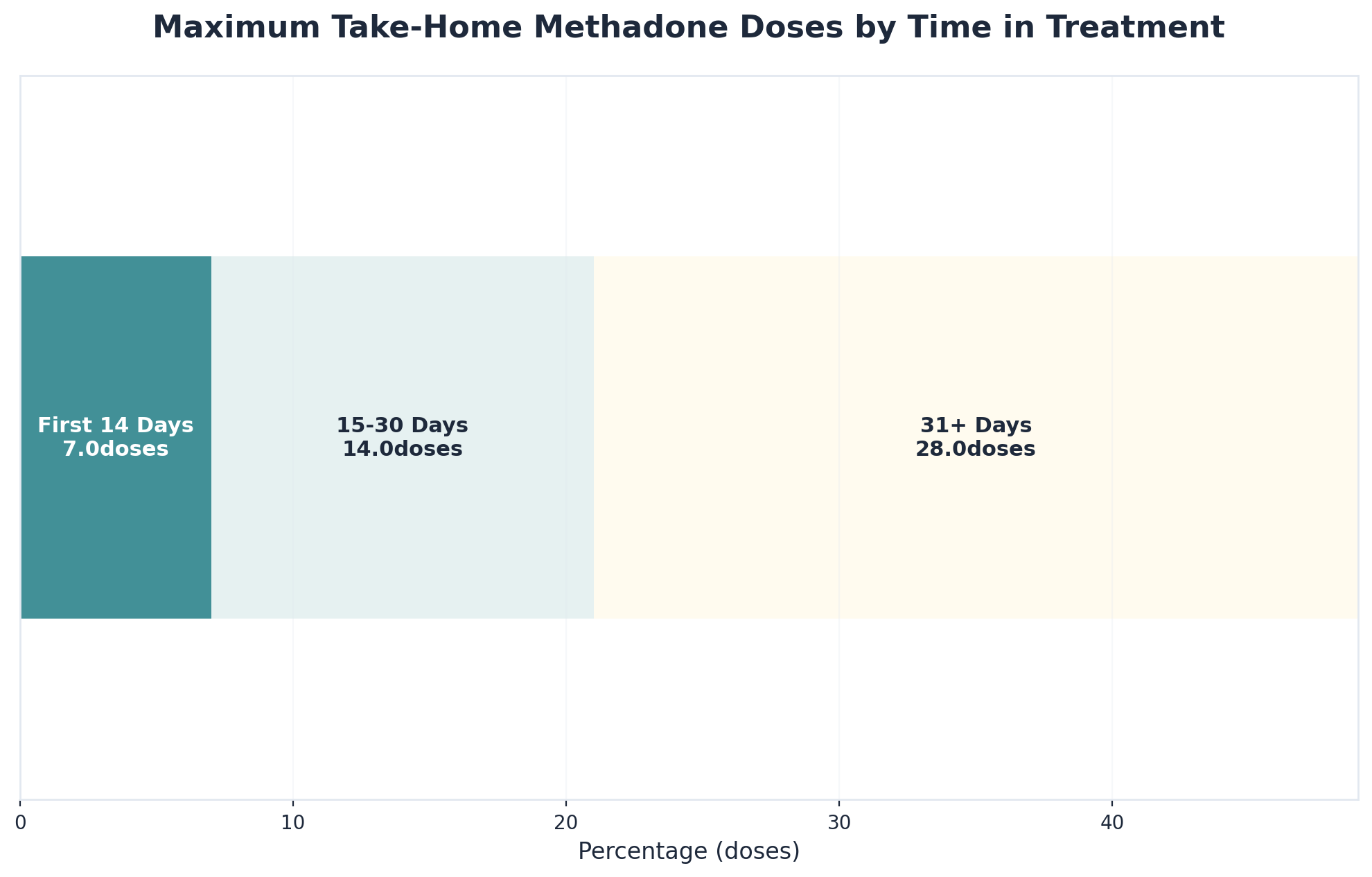
Maximum Take-Home Methadone Doses by Time in Treatment (This data shows the maximum number of unsupervised take-home doses of methadone a patient in an Opioid Treatment Program (OTP) can receive based on their duration in treatment, according to recent SAMHSA guidance. This is subject to clinical judgment.)
To participate in a virtual program, you must meet specific technical requirements. Below is a standard "Tech Check" required for admission into most telehealth MAT programs:
VIRTUAL MAT TECH CHECKLIST: [ ] Device: Smartphone, Tablet, or Computer with Webcam [ ] Internet: Broadband or 4G/5G (Must support streaming video) [ ] Privacy: A quiet room where you cannot be overheard [ ] Email: A secure email address for intake forms [ ] ID: Valid photo ID for identity verification
When evaluating any virtual MAT provider, look for three essential qualities: clinicians specifically trained in both addiction medicine and telehealth delivery, technology platforms that protect your privacy through HIPAA-compliant secure video, and clear protocols for monitoring your progress remotely.
Starting Buprenorphine Treatment Remotely
The process starts with a virtual evaluation to confirm eligibility. Unlike the question of can methadone be prescribed online—where federal law restricts remote initiation—buprenorphine is legally available via telemedicine for opioid use disorder.11 Studies show that virtual buprenorphine induction leads to similar retention and satisfaction rates as in-person care.8
Home Induction Safety Protocols
Home induction requires strict adherence to safety protocols. Patients receive detailed written instructions outlining when to take their first dose and how to recognize withdrawal symptoms. Providers use real-time video or phone check-ins to verify symptoms and guide dosing. This method works when individuals can follow instructions independently and have reliable technology for communication.
Resource Planning for Virtual Recovery
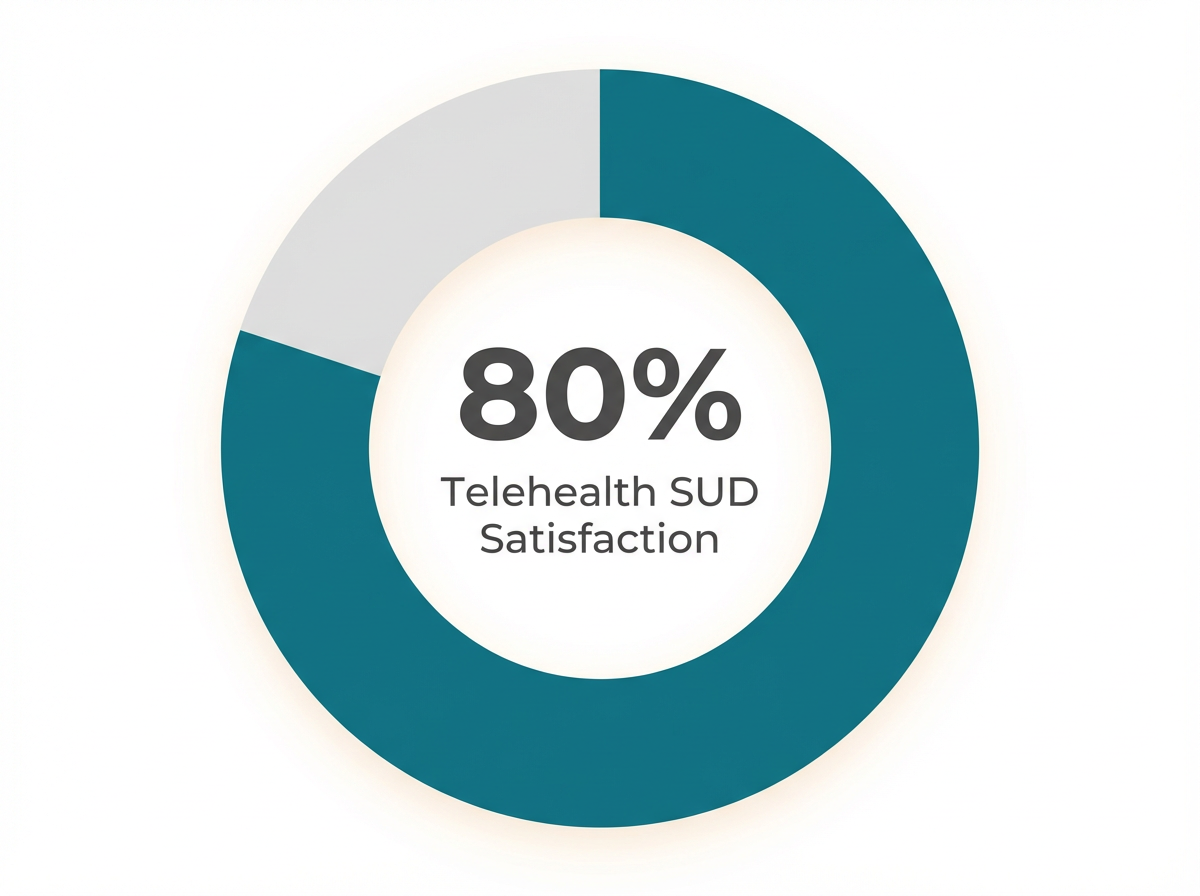
Most insurance plans—including Medicaid and many private insurers—now cover remote MAT options like buprenorphine and naltrexone. However, because methadone cannot be prescribed online, insurance coverage for virtual care applies only to eligible remote MAT options. Research shows that virtual MAT is now widely accepted by payers, reflecting the strong satisfaction rates among those using telehealth opioid treatment.8
Your Next 30 Days: Action Plan
Starting a virtual medication-assisted treatment program doesn't require months of planning. With the right approach, individuals struggling with addiction can begin receiving clinically proven care within weeks. Here is a practical roadmap to get started:
Week 1: Research and Verification. Confirm that virtual MAT providers serve your state (e.g., VT, MA, CT, NH). Verify insurance coverage by contacting your provider directly about telehealth addiction services.
Week 2: Outreach and Assessment. Contact selected providers to schedule intake appointments via video call. Gather your medical history and previous treatment records.
Week 3: Begin Treatment. After assessment, providers will prescribe appropriate medications (buprenorphine/naltrexone) to your local pharmacy. You will establish a regular check-in schedule.
Week 4: Routine Building. Attend all scheduled appointments and track your progress. Many people begin noticing measurable improvements in sleep and cravings during this period.
Week 1-2: Initial Consultation and Setup
Start by scheduling your initial telehealth assessment. While some may still wonder, can methadone be prescribed online during this phase, federal law requires all methadone initiation for opioid use disorder to occur in-person. Therefore, your consultation will focus on buprenorphine or naltrexone eligibility.11
Week 3-4: Building Your Recovery Foundation
Now is the time to integrate weekly therapy sessions and connect with peer support groups. Research shows that regular engagement in counseling and peer support improves retention and satisfaction with remote MAT options.8 This approach works best when individuals are ready to build healthy routines and tap into ongoing support, creating a sustainable recovery foundation.
Recovery, Made Possible — From Home
Pathfinder Recovery offers in-home addiction and mental health treatment that fits your life — not the other way around. From at-home detox and MAT to virtual IOP and peer support, our licensed clinicians bring evidence-based care to you through secure telehealth.
Finding effective treatment for substance dependency shouldn't require choosing between quality care and practical accessibility. The right recovery model balances clinical rigor with the realities of daily life, making it possible to pursue healing without sacrificing work, family responsibilities, or financial stability.
As this article has explored, virtual MAT represents a fundamental shift in how recovery support reaches those who need it most. By combining FDA-approved medications with structured telehealth monitoring, this approach expands access to evidence-based treatment while maintaining the clinical safeguards that ensure patient safety.
The distinction between medications suitable for remote care and those requiring in-person oversight isn't arbitrary; it reflects genuine differences in safety profiles. Understanding these differences empowers individuals to make informed decisions about which treatment model aligns with their clinical needs. For appropriate candidates, virtual MAT removes traditional barriers—transportation challenges, scheduling conflicts, geographic isolation—that have historically prevented people from accessing care.
Recovery is more accessible today than at any point in history. With the right clinical framework, the support you need can meet you where you are—making healing not just possible, but sustainable.
Frequently Asked Questions
Can methadone ever be prescribed for any reason through telehealth?
Methadone cannot be prescribed online for opioid use disorder (OUD) under any circumstance. Federal law requires that methadone for OUD be dispensed only through in-person visits at certified Opioid Treatment Programs (OTPs), and this rule has not changed even with recent telehealth expansions.11 The only exception is for pain management (not OUD), where a small number of providers may prescribe methadone via telemedicine, but this is rare and highly regulated.5
How do I choose between buprenorphine and methadone for my recovery?
Choosing depends on your need for structure versus flexibility. Methadone is dispensed only in-person at certified OTPs, making it the option for people who need daily structure or direct supervision.11 Buprenorphine can be prescribed online and taken at home, suiting those seeking privacy and the ability to maintain work/life balance.8
What are the typical costs of virtual MAT programs compared to in-person OTPs?
Typical costs for virtual MAT programs are often covered by insurance, including Medicaid and private health plans.8 Without insurance, self-pay rates often range from $150 to $400 per month. Virtual MAT significantly reduces indirect costs like transportation, parking, and missed work hours compared to daily OTP visits.
Is virtual treatment as effective as in-person care for opioid use disorder?
Yes. Research consistently shows that virtual treatment using medications like buprenorphine can be just as effective as in-person care. Studies reveal that individuals receiving telehealth treatment experience similar retention rates and recovery outcomes compared to traditional clinic-based approaches.8
What happens if I'm currently on methadone and want to switch to virtual treatment?
Because methadone cannot be prescribed online, switching to virtual treatment requires transitioning to a different medication, such as buprenorphine. This requires an individualized, medically supervised taper to avoid withdrawal or relapse risk.9 You must collaborate closely with your current OTP and your new virtual provider to manage this transition safely.
Can I access virtual MAT if I live in a rural area without nearby treatment centers?
Yes. Telehealth is specifically designed to overcome geographic barriers. If you live in a rural area in Vermont, New Hampshire, or other served states, you can receive care from home provided you have a reliable internet connection.8
Will my employer or family find out if I use virtual treatment services?
No. Your participation is protected by HIPAA privacy laws. Providers cannot share information with employers or family without your consent. Telehealth appointments can be scheduled outside work hours for added discretion.8
How quickly can I start treatment with a virtual MAT program?
Most people can start treatment within 1–3 business days after completing a telehealth assessment and confirming insurance details. This is often faster than waiting for intake appointments at physical clinics.8
Does Pathfinder accept my insurance for virtual MAT services?
What if I have co-occurring mental health conditions alongside substance use disorder?
Pathfinder offers co-occurring mental health support alongside SUD treatment. While we do not provide primary mental healthcare, we integrate counseling and psychiatric support for conditions like anxiety and depression within the recovery plan.8
Can I continue working full-time while participating in virtual MAT?
Yes. Telehealth is designed for flexibility, allowing appointments to be scheduled outside typical working hours. This makes it significantly easier to balance work and recovery compared to the strict daily hours of a methadone clinic.8
What technology do I need to participate in virtual treatment?
You need a device with video capability (smartphone, tablet, or computer), a reliable internet connection, and a private space for appointments.8
Are there any circumstances where virtual MAT wouldn't be appropriate for me?
Yes. If you require methadone (which is in-person only), have an unstable living environment, lack private internet access, or require high-intensity medical supervision for severe withdrawal, an in-person program is safer and more appropriate.11
How does Pathfinder ensure safe medication management without in-person visits?
We use secure telehealth platforms, structured check-ins, toxicology screenings, and evidence-based protocols. Providers conduct thorough video assessments and monitor progress closely. This method works best when patients can communicate openly and reliably.8
What states does Pathfinder serve for virtual opioid use disorder treatment?
{"@context":"https://schema.org","@type":"FAQPage","mainEntity":[{"@type":"Question","name":"Can methadone ever be prescribed for any reason through telehealth?","acceptedAnswer":{"@type":"Answer","text":"Methadone cannot be prescribed online for opioid use disorder (OUD) under any circumstance. Federal law requires that methadone for OUD be dispensed only through in-person visits at certified Opioid Treatment Programs (OTPs). The only exception is for pain management, which is rare and highly regulated."}},{"@type":"Question","name":"How do I choose between buprenorphine and methadone for my recovery?","acceptedAnswer":{"@type":"Answer","text":"Methadone requires daily in-person visits at a clinic and is often best for those needing high structure. Buprenorphine can be prescribed online via telehealth, offering greater flexibility and privacy for those who can manage medication at home."}},{"@type":"Question","name":"What are the typical costs of virtual MAT programs compared to in-person OTPs?","acceptedAnswer":{"@type":"Answer","text":"Virtual MAT programs are often covered by insurance (Medicaid and private plans). Without insurance, costs range from $150-$400/month. Virtual care reduces indirect costs like travel and childcare compared to daily in-person OTP visits."}},{"@type":"Question","name":"Is virtual treatment as effective as in-person care for opioid use disorder?","acceptedAnswer":{"@type":"Answer","text":"Yes. Research shows that telehealth treatment using buprenorphine has retention rates and recovery outcomes comparable to in-person care, with high patient satisfaction regarding accessibility."}},{"@type":"Question","name":"What happens if I'm currently on methadone and want to switch to virtual treatment?","acceptedAnswer":{"@type":"Answer","text":"You cannot switch methadone to virtual care. You must transition to a telehealth-approved medication like buprenorphine. This requires a medically supervised taper and induction plan coordinated between your OTP and the new virtual provider."}},{"@type":"Question","name":"Can I access virtual MAT if I live in a rural area without nearby treatment centers?","acceptedAnswer":{"@type":"Answer","text":"Yes. Virtual MAT is specifically designed to bridge the gap for rural residents in states like Vermont and New Hampshire, provided you have a reliable internet connection and a device for video visits."}},{"@type":"Question","name":"Will my employer or family find out if I use virtual treatment services?","acceptedAnswer":{"@type":"Answer","text":"No. Virtual MAT providers are bound by HIPAA privacy laws. Information cannot be shared with employers or family without your written consent. Telehealth allows for discreet appointments outside of work hours."}},{"@type":"Question","name":"How quickly can I start treatment with a virtual MAT program?","acceptedAnswer":{"@type":"Answer","text":"Eligible individuals can often start treatment within 1\u20133 business days after completing a video assessment and insurance verification."}},{"@type":"Question","name":"Does Pathfinder accept my insurance for virtual MAT services?","acceptedAnswer":{"@type":"Answer","text":"Pathfinder accepts most major insurance plans, including Medicaid and commercial insurers in VT, MA, CT, and NH. Coverage applies to eligible remote MAT options like buprenorphine."}},{"@type":"Question","name":"What if I have co-occurring mental health conditions alongside substance use disorder?","acceptedAnswer":{"@type":"Answer","text":"Pathfinder offers co-occurring mental health support alongside SUD treatment. While we do not provide primary mental healthcare, we integrate counseling and psychiatric support for conditions like anxiety and depression within the recovery plan."}},{"@type":"Question","name":"Can I continue working full-time while participating in virtual MAT?","acceptedAnswer":{"@type":"Answer","text":"Yes. Telehealth offers the flexibility to schedule appointments during breaks or after hours, making it easier to maintain full-time employment compared to the daily requirements of a methadone clinic."}},{"@type":"Question","name":"What technology do I need to participate in virtual treatment?","acceptedAnswer":{"@type":"@Answer","text":"You need a smartphone, tablet, or computer with a camera and microphone, a stable internet connection, and a private space to conduct confidential video calls."}},{"@type":"Question","name":"Are there any circumstances where virtual MAT wouldn't be appropriate for me?","acceptedAnswer":{"@type":"Answer","text":"Virtual MAT may not be suitable if you require methadone (which is in-person only), have an unstable living environment, lack private internet access, or require high-intensity medical supervision for severe withdrawal."}},{"@type":"Question","name":"How does Pathfinder ensure safe medication management without in-person visits?","acceptedAnswer":{"@type":"Answer","text":"We use secure video assessments, regular toxicology screenings (lab orders), prescription monitoring programs, and frequent check-ins to ensure safety and adherence to the treatment plan."}},{"@type":"Question","name":"What states does Pathfinder serve for virtual opioid use disorder treatment?","acceptedAnswer":{"@type":"Answer","text":"Pathfinder serves individuals in recovery residing in Vermont, Massachusetts, Connecticut, and New Hampshire."}}]}
Pathfinder Recovery offers in-home addiction and mental health treatment that fits your life — not the other way around.From at-home detox and MAT to virtual IOP and peer support, our licensed clinicians bring evidence-based care to you through secure telehealth.
The Pathfinder Recovery App and Smart Ring keep your care team connected to your progress between sessions — monitoring sleep, stress, and recovery milestones in real time.It’s proactive, private, and personalized — so support is always within reach.
Pathfinder Recovery offers co-occurring disorders treatment through virtual care in MA, CT, NH, & VT. Get specialized dual diagnosis support from home.
Pathfinder Recovery’s drug rehab aftercare programs support lasting recovery by helping those in MA, CT, NH, and VT stay connected, supported, and sober.