Written and reviewed by the leadership team at Pathfinder Recovery, including licensed medical and clinical professionals with over 30 years of experience in addiction and mental health care.
Geographic: Is the nearest specialist more than 30 minutes away?
Financial: Are you unsure if your insurance covers mental health parity?
Social: Are you avoiding care due to lack of anonymity in a small town?
New Hampshire faces significant behavioral healthcare challenges, and finding reliable individual counseling NH residents can trust is often harder than it should be. The state ranks among those with the highest rates of addiction disorders, and many people experiencing dependency also struggle with concurrent psychiatric conditions like depression, anxiety, and trauma-related disorders. Access to care remains a persistent obstacle across the state, particularly for those seeking co-occurring support.
Rural communities, which make up a significant portion of the Granite State's geography, often lack sufficient counseling providers. The provider shortage extends beyond rural areas—even in more populated regions like Manchester and Nashua, wait times for appointments can stretch weeks or months. This gap between need and availability leaves many people without timely support during critical moments in their recovery journey.
Transportation presents another major barrier. Individuals in recovery who may not have reliable access to a vehicle face significant challenges traveling to face-to-face appointments. Public transportation options remain limited outside urban centers, and the time required for travel can conflict with work schedules or family responsibilities. Furthermore, the stigma surrounding both psychiatric treatment and addiction disorders continues to prevent many people from seeking help. In smaller communities where anonymity is difficult to maintain, concerns about privacy and judgment can discourage residents from pursuing the care they need.
Understanding New Hampshire's Workforce Crisis
New Hampshire's mental health workforce crisis is characterized by licensed clinicians leaving the sector or state, and an insufficient number of new professionals entering the field. Reports show these staffing shortages have persisted for nearly a decade and now affect both community mental health centers and private practices alike2.
The impact is felt on the ground: there simply aren't enough trained counselors available for people seeking individual therapy or co-occurring care. These gaps make it far harder to find timely individual counseling, particularly in regions outside city centers like Manchester. Related care shortages are driven by low wages, burnout, and complex regulatory challenges—all issues confirmed by local and state-level research on the counseling workforce2.
91,000+ Granite Staters in Provider Deserts
Over 91,000 Granite Staters live in recognized "provider deserts," where it’s almost impossible to find local mental health clinicians for timely support1. These areas stretch across regions like the North Country, Upper Valley, and many towns beyond Manchester or Nashua. People here often wait weeks or months for a session, whether they're seeking individual counseling or support for substance use recovery.
State-specific data reveals New Hampshire residents are four times more likely to be forced out-of-network for mental health care than for primary care, putting additional strain on those seeking individual counseling NH communities rely on1. As a result, many turn to telehealth or must travel across county lines just to access skilled therapists or co-occurring care.
Why Traditional Counseling Models Fall Short
Traditional counseling models in New Hampshire simply haven’t adapted to the severe workforce and access challenges Granite Staters face. In-person care still dominates, often requiring weeks-long waitlists, limited provider hours, and travel to distant offices—barriers especially tough for those living outside larger cities like Manchester or Nashua.
Comprehensive data from the NH Behavioral Health Workforce Crisis Report confirms these outdated systems are strained by low staff retention, uneven clinician distribution, and regulatory hurdles that slow down recruitment or onboarding2. Integrated behavioral health approaches and virtual individual counseling—NH’s newer care models—are designed to address these gaps by meeting people where they are, offering more flexible scheduling, and reaching underserved communities across both the North Country and the Seacoast.
Rural vs. Urban Disparities in NH Care
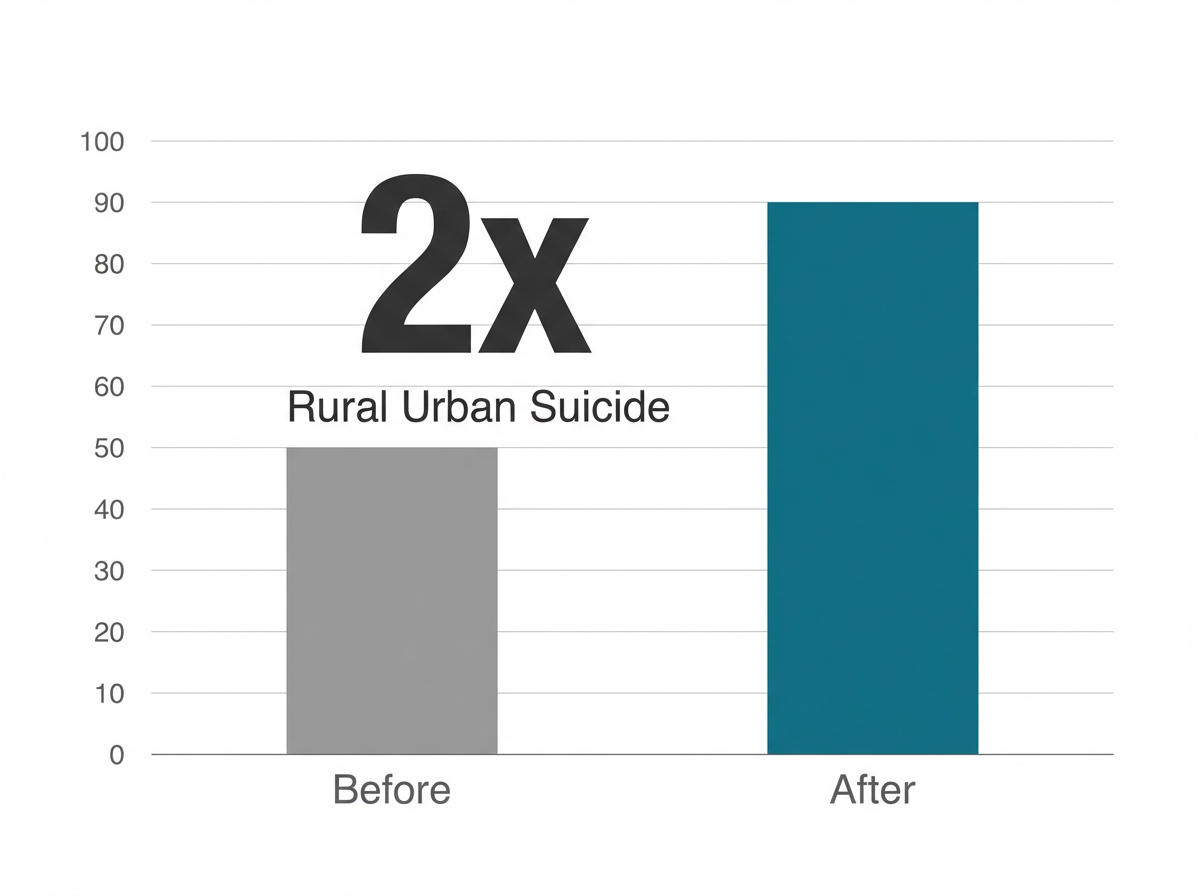
The difference between access to mental health care in rural versus urban areas of New Hampshire is stark. Suicide rates have been nearly twice as high in rural regions compared to urban ones over the last two decades, underscoring real risks tied to limited care options and geographic isolation6.
Feature
Rural NH (e.g., North Country)
Urban NH (e.g., Manchester/Nashua)
Provider Availability
Severe shortage; "Provider Deserts" common.
Higher density, but long waitlists persist.
Transportation
Requires car; 1+ hour drives common.
Public transit available; shorter commutes.
Anonymity
Low; high risk of stigma in small towns.
High; easier to maintain privacy.
Transportation & Geographic Isolation Barriers
Transportation challenges and geographic isolation make it especially tough for rural Granite Staters to access individual counseling options. In areas like the North Country, residents may need to drive an hour or more just to reach a mental health provider—or face weeks-long waits due to few counselors available locally6. Reliable public transportation is rare outside hubs like Manchester or Nashua, adding to these hurdles.
How Virtual Counseling Bridges the Gap
Virtual counseling has become a lifeline for Granite Staters facing stubborn access gaps in both rural and urban areas. With reliable broadband available in most NH communities, telehealth makes it possible for residents in hard-to-reach places—like the North Country or the Upper Valley—to connect with licensed counselors from their own homes without lengthy travel or wait times6.
Research confirms that virtual mental health care produces outcomes comparable to in-person services, especially for those with transportation or work constraints10. An encouraging 80% of adults in New Hampshire reported positive experiences with their mental health care in 20233. As individual counseling NH continues to shift online, telehealth will remain key to ensuring all communities—regardless of population or distance—have access to meaningful support.
State Regulations & Individual Counseling NH Rights
Tool: Insurance Verification Script
When calling your insurer, use this script to verify your rights:
"I am seeking virtual individual counseling for a co-occurring condition. Under NH Parity Laws, does my plan cover telehealth at the same rate as in-person visits, and do I require prior authorization for code 90837 (Psychotherapy, 60 min)?"
The access challenges that once kept many from getting help—distance, transportation, scheduling conflicts—have been significantly addressed through thoughtful state regulations. The Granite State has established clear guidelines governing telehealth services, including remote psychological counseling, that make it easier for residents to connect with qualified professionals. Healthcare providers licensed locally can now deliver teletherapy services to residents, meeting the same standards of care required for traditional office visits.
The state's mental health licensing board oversees requirements for counselors, therapists, and clinical social workers who provide remote services. Practitioners maintain active licensure and use HIPAA-compliant platforms to protect patient privacy. These guidelines ensure that clients receiving online counseling work with qualified professionals who meet rigorous educational and ethical standards—the same professionals they might see in a traditional office setting.
When seeking treatment for addiction and concurrent psychological disorders, understanding your rights makes a real difference. State law requires that telehealth services be reimbursed at the same rate as traditional office visits by most insurance providers, removing financial barriers that previously limited access. This means someone in rural Colebrook can now access a specialist in Concord without a three-hour drive or the need to take an entire day off work.
NH Licensing & Interstate Compact Expansion
NH’s licensing requirements are designed to protect those seeking individual counseling and ensure all providers meet strict standards. The New Hampshire Board of Mental Health Practice mandates that professionals offering therapy—including virtual and co-occurring mental health services—hold active state licensure and satisfy ongoing education requirements13.
In recent years, New Hampshire has joined the Counseling Compact, allowing licensed counselors from other member states to provide services remotely to NH residents. This move directly addresses longstanding workforce shortages and expands telehealth access across both cities like Nashua and rural towns in the North Country5. For people searching for individual therapy solutions, this means increased choice and faster access, particularly in underserved areas.
Counseling Compact: Cross-State Access Explained
The Counseling Compact is a groundbreaking agreement that allows licensed professional counselors from participating states to provide virtual and in-person care to New Hampshire residents without the need for a separate NH license5. For individuals seeking individual counseling NH, this means that a much wider network of credentialed mental health professionals is now available—including experts from Maine, Massachusetts, and other Compact member states.
This development is especially important for rural and underserved regions like the North Country, where the counselor shortage is severe. Since NH officially joined the Counseling Compact, the process for verifying out-of-state counseling credentials and accessing cross-state virtual therapy options has become more streamlined, helping residents connect with licensed NH counselors or Compact-approved providers much faster.
Licensed Provider Credentials to Verify
Before beginning individual counseling NH residents should confirm that their counselor holds active state licensure or Counseling Compact authorization. The New Hampshire Board of Mental Health Practice maintains an online verification tool to check credentials for licensed NH counselors, including Licensed Clinical Mental Health Counselors (LCMHC), Licensed Clinical Social Workers (LICSW), and Licensed Psychologists13.
For those working with virtual providers, it’s essential to confirm the counselor’s Compact status if they are based out of neighboring states like Massachusetts or Maine. Credentialed mental health professionals must meet stringent continuing education and supervision requirements, and valid licensure indicates they’re authorized to provide co-occurring treatment for substance use alongside therapy.
Insurance Parity & Network Adequacy Laws
Insurance parity laws in New Hampshire require that health plans cover mental health and substance use disorder services on par with physical health services, ensuring people seeking individual counseling NH don’t face higher deductibles, copays, or stricter limits than they would for medical care4.
The New Hampshire Insurance Department closely monitors “network adequacy” to make sure that a plan's network of licensed NH counselors and credentialed mental health professionals is broad enough—so members aren’t forced out-of-network just to find care. Recent enforcement actions in the state have targeted insurers whose networks were too narrow, directly addressing concerns from both Manchester residents and those in rural communities like the North Country4.
Mental Health Parity Enforcement in NH
New Hampshire takes mental health parity enforcement seriously, with the NH Insurance Department (NHID) monitoring how well insurers live up to both state and federal requirements. Insurance plans are required to treat mental health and substance use disorder benefits just like medical benefits, meaning individuals seeking individual counseling NH should have the same network access, copays, and coverage as they would for physical healthcare4.
In 2023 and 2024, the department conducted high-profile enforcement against insurers whose "skinny" provider networks made it too hard for members in areas like Manchester or rural Grafton County to find qualified, credentialed mental health professionals for both in-person and telehealth sessions4.
Navigating Out-of-Network Counseling Costs
When individuals can’t find a licensed NH counselor in their insurer’s network, out-of-network counseling becomes a reality, often leading to higher out-of-pocket costs and extra paperwork. New Hampshire’s insurance parity laws do entitle you to appeal denials and request access to a credentialed mental health professional at in-network rates if no suitable provider is available locally4.
Keep in mind that documentation showing your attempts to find in-network care, as well as referrals from your primary care provider, can strengthen your claim. For those navigating individual counseling NH options, it helps to contact the New Hampshire Insurance Department for guidance or file a formal complaint when insurance barriers seem unfair.
Recovery, Made Possible — From Home
Pathfinder Recovery offers in-home addiction and mental health treatment that fits your life — not the other way around. From at-home detox and MAT to virtual IOP and peer support, our licensed clinicians bring evidence-based care to you through secure telehealth.
Individual Counseling NH for Co-Occurring Disorders
Tool: Integrated Care Checklist
Ensure your treatment plan covers both bases:
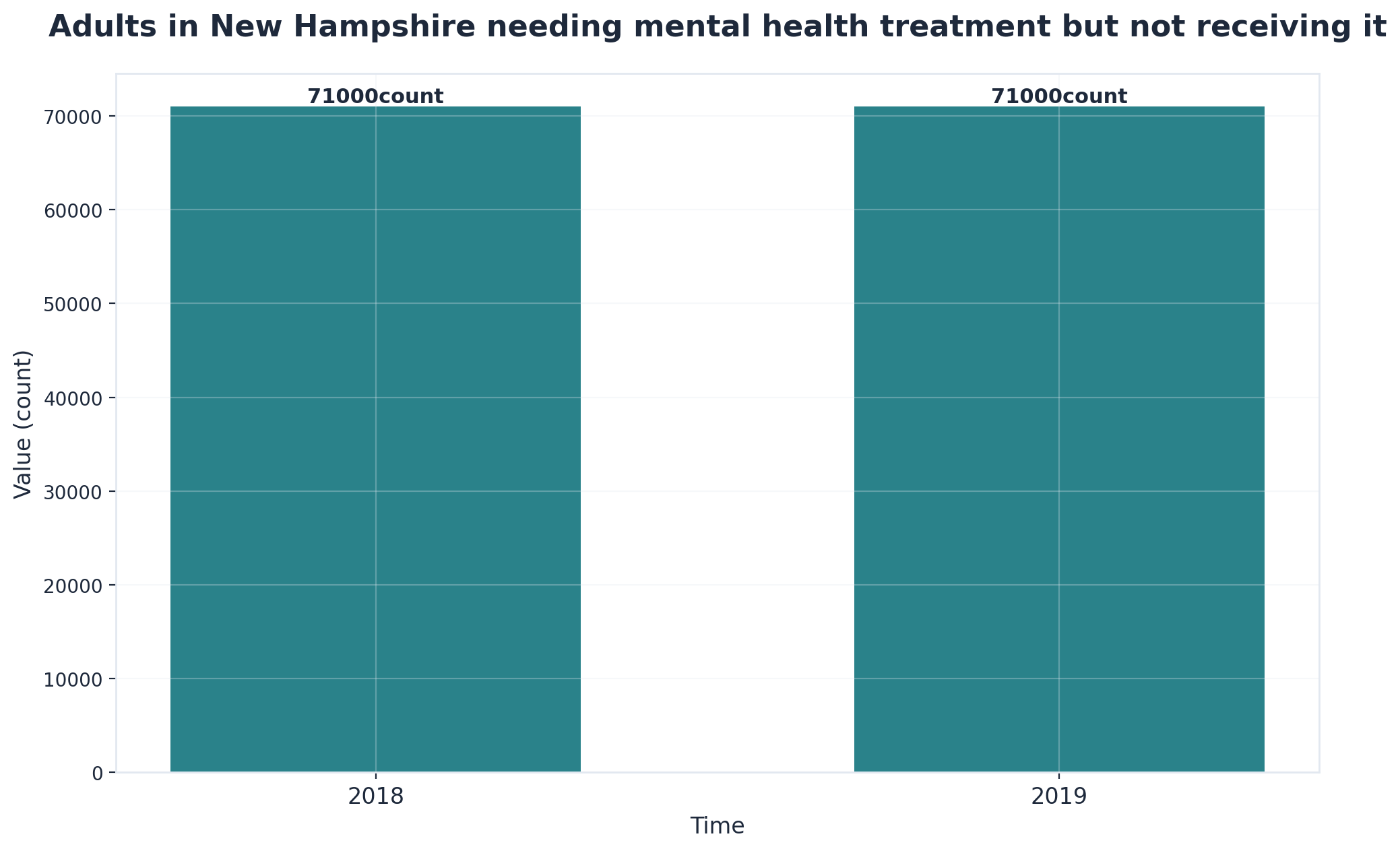
Adults in New Hampshire needing mental health treatment but not receiving it (Source: Mental Health in New Hampshire (NAMI, data as of March 2025))
[ ] Does the counselor acknowledge the link between your anxiety/depression and substance use?
[ ] Is there a plan for medication management (MAT) if needed?
[ ] Are trauma-informed protocols (like safety planning) in place?
With regulatory frameworks ensuring access to integrated care, the question becomes: what treatment approaches work best for dual diagnosis? Understanding why integrated treatment matters starts with recognizing how common co-occurring disorders truly are. Research indicates that approximately 50% of individuals with a severe psychiatric diagnosis also experience addiction at some point in their lives. These intertwined challenges require specialized treatment that addresses both concerns simultaneously rather than in isolation.
Individual counseling sessions provide a confidential space to explore the complex relationship between psychological symptoms and addictive patterns. Through one-on-one therapeutic work, counselors help clients identify triggers, develop coping strategies, and understand how their psychiatric diagnosis may influence their recovery journey. This personalized approach allows for treatment plans tailored to each person's unique combination of challenges and strengths.
"What makes individual counseling particularly effective for dual diagnosis is the personalized attention it provides. Unlike group therapy—where participants share time and attention—individual sessions allow counselors to deeply explore each client's specific psychiatric symptoms and how they intersect with addictive patterns."
Virtual individual counseling makes this specialized care accessible to people across the Northeast region who might otherwise face barriers to treatment. The privacy of connecting from home can be particularly valuable when managing anxiety, depression, or other psychological concerns alongside recovery work. Without the stress of commuting or sitting in waiting rooms, clients can focus their energy on the therapeutic process itself.
Trauma-Informed & Neurodivergent-Adapted Care
Trauma-informed and neurodivergent-adapted care takes center stage in New Hampshire’s individual counseling approach, especially for those managing both substance use and mental health challenges. Providers offering individual counseling NH increasingly recognize the impact of unresolved trauma and neurological differences—such as ADHD or autism—on recovery journeys.
New Hampshire counselors are responding by integrating practices that prioritize emotional safety, trust, and sensitivity to lived experiences. This could look like adjusting session pacing, using nonjudgmental language, and making space for sensory needs, which is especially important for neurodivergent clients. Data from statewide mental health initiatives highlight a shift toward these more personalized methods, as providers strive to meet clients wherever they are in their healing process9.
Licensed NH counselors and credentialed mental health professionals trained in EMDR guide clients through gentle, structured recall techniques—many find this supports emotional regulation and can reduce cravings. IFS therapy, widely recognized in the Granite State, helps individuals explore and integrate conflicted parts of themselves, addressing shame or self-criticism that can fuel relapse9.
Sensory-Adapted Sessions for ADHD & Autism
Sensory-adapted sessions are a crucial part of individual counseling NH for people with ADHD or autism, helping remove barriers that can make traditional therapy environments overwhelming. In New Hampshire, licensed NH counselors are increasingly trained to adjust sensory inputs—for example, by dimming lights, minimizing auditory distractions, or providing virtual sessions where clients can choose their comfort settings.
These changes support neurodivergent individuals in feeling safe and regulated, making it easier to focus on meaningful counseling work rather than coping with sensory overload. Strategies such as allowing movement during sessions, offering visual aids, and scheduling at times that fit clients' unique rhythms are becoming standard among credentialed mental health professionals who deliver co-occurring care throughout the state.
Integrating Counseling with MAT & Detox
Integrating individual counseling with medication-assisted treatment (MAT) and supervised detox is quickly becoming the standard of care for those managing both substance use and mental health challenges in New Hampshire. Across Manchester, Nashua, and the Upper Valley, evidence shows that combining MAT—for example, with buprenorphine or naltrexone—alongside telehealth counseling or in-person therapy leads to higher rates of engagement and better recovery outcomes9.
The Granite State’s approach reflects growing demand for virtual options, which allow credentialed mental health professionals to deliver ongoing counseling during every phase of substance use recovery. By blending clinical support for cravings, withdrawal, and co-occurring mental health symptoms, this integrated model gives people a stronger foundation for lasting stability.
Virtual Therapy During At-Home Detox
Virtual therapy is playing a vital role for Granite Staters undergoing at-home detox, especially in regions where access to in-person providers is limited. Credentialed mental health professionals can deliver real-time support, address withdrawal symptoms, and offer personalized coping strategies through secure telehealth platforms designed for New Hampshire residents9.
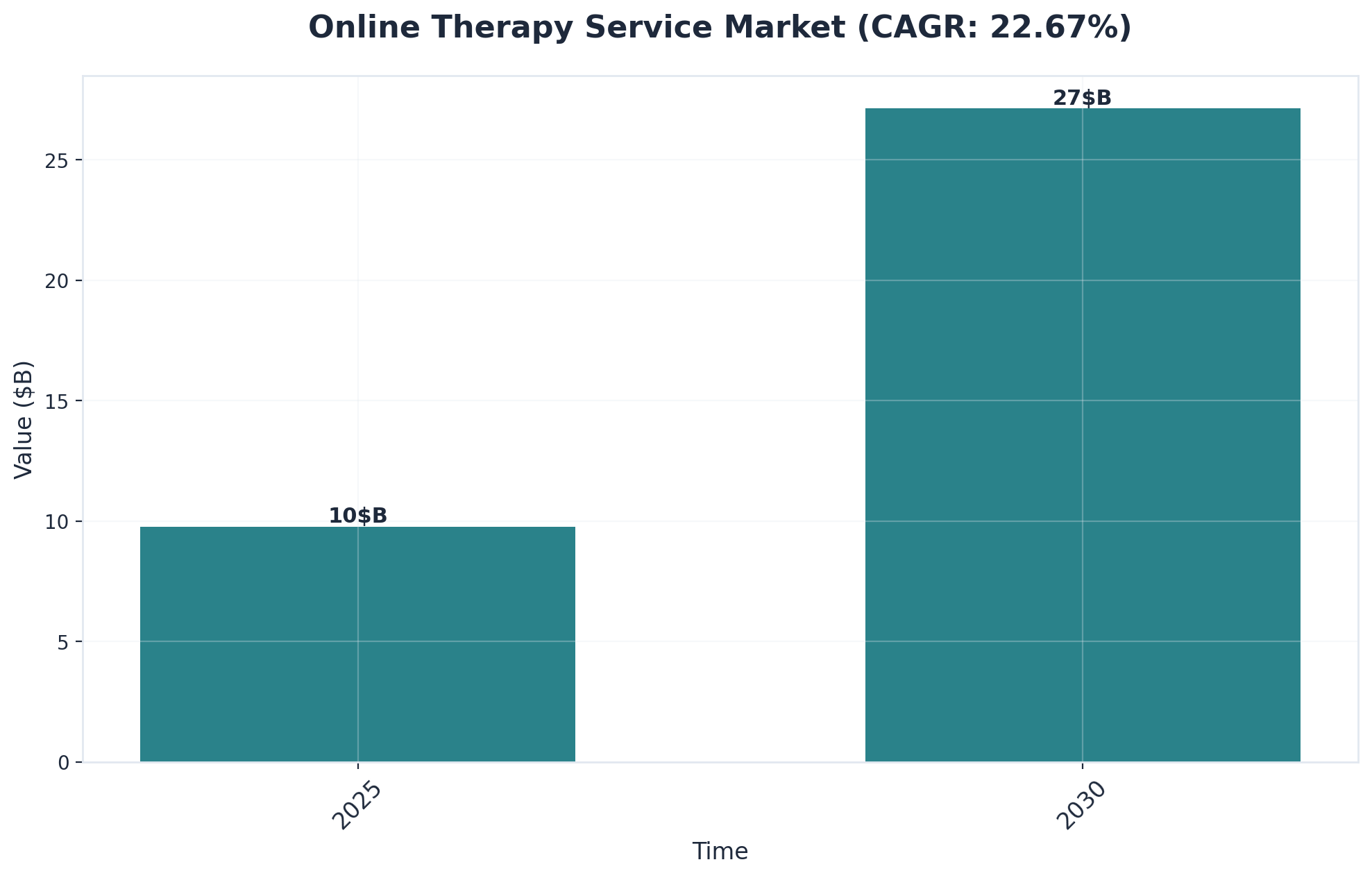
Online Therapy Service Market (CAGR: 22.67%) (Source: Online Therapy Service Market Size, Report & Share Analysis 2030)
As part of integrated care, individual counseling NH providers offer combines emotional check-ins and relapse prevention planning, tailoring each session to the unique rhythms and risks of early recovery. This virtual approach also makes guidance accessible for those managing medication-assisted treatment (MAT) during detox—meeting needs across Manchester, Nashua, and rural counties like Coös or Grafton.
Long-Term Counseling with Medication Management
Staying connected with a licensed NH counselor for the long haul can make a meaningful difference in recovery, especially for those using medication-assisted treatment (MAT) and managing dual diagnoses. Ongoing individual counseling supports medication management by monitoring for new symptoms, side effects, or changes in motivation—meeting each person’s evolving needs from Manchester to small towns in Coös County.
Credentialed mental health professionals work closely with MAT prescribers, helping people develop strategies to stay on track with medications like buprenorphine while addressing underlying stressors or patterns that threaten stability. Research shows coordinated counseling and medication management lowers relapse rates and supports sustained progress, even when in-person treatment is hard to access in New Hampshire’s rural regions9.
Choosing Virtual Individual Counseling in NH
Tool: Provider Vetting Decision Tree
Ask these three questions to determine if a provider is the right fit:
"Do you specialize in co-occurring disorders, or just general mental health?" (Look for: Co-occurring).
"What is your protocol if I have a technical issue during a session?" (Look for: Phone backup plan).
"Can you coordinate directly with my MAT prescriber?" (Look for: Yes).
Deciding whether virtual counseling is right for your dual diagnosis treatment involves evaluating both the modality and the provider. While remote therapy offers clear advantages, the quality of your therapeutic relationship and the clinician's expertise matter far more than the delivery method. Understanding what to look for—and what to avoid—helps ensure you receive effective care tailored to your specific needs.
Start by assessing a provider's dual diagnosis expertise. Effective treatment requires clinicians who understand how psychiatric conditions and substance use disorders interact and influence each other. Ask potential therapists about their training in integrated treatment approaches, their experience with your specific diagnoses, and how they coordinate care when medication management or additional services are needed.
Click to see Red Flags to Watch For
Providers who use non-HIPAA compliant apps like standard FaceTime or free Zoom.
Clinicians who dismiss the importance of coordinating with your MAT prescriber.
Lack of a clear emergency protocol for remote clients.
Unwillingness to discuss out-of-pocket costs or sliding scale options upfront.
Consider how virtual counseling integrates with NH's broader treatment resources. The most effective providers can connect you with local support services when needed—whether that's medication-assisted treatment programs, peer recovery support through the NH Doorway system, or crisis resources. Ask how the practice coordinates with other members of your care team and whether they have established relationships with psychiatric prescribers, primary care physicians, or intensive outpatient programs in the state.
Evaluating Flexibility & Scheduling Options
Evaluating flexibility and scheduling for individual counseling NH residents seek means considering life in the Granite State: busy workdays, long commutes, and family priorities. Virtual therapy with licensed NH counselors provides a major advantage—offering evening, early morning, and even weekend appointments, which is crucial for working professionals and caregivers throughout Manchester, Nashua, and the North Country.
Statewide, satisfaction with online mental health care is high: 80% of adults in New Hampshire reported positive experiences with their services in 20233. This shift empowers clients to book sessions around shifts, childcare, or personal needs rather than waiting weeks or traveling hours. Semantically, flexible counseling options and adaptable scheduling solutions play a key role in making individual therapy supportive of real, everyday life across New Hampshire.
Work-Life Integration for Busy Professionals
For many working Granite Staters, balancing demanding jobs, long commutes, and family responsibilities leaves little time for self-care—much less seeking out traditional therapy. Virtual individual counseling in NH offers a solution by integrating seamlessly with hectic schedules, letting busy professionals and caregivers meet with credentialed mental health professionals before work, after dinner, or during a lunch break.
This adaptability means individuals in Manchester, Nashua, or remote towns can prioritize support for substance use and mental health without upending their routines. Reports show a significant jump in satisfaction when flexible counseling options let clients choose session times that fit their real lives3.
Privacy & Confidentiality in Virtual Sessions
Safeguarding privacy and confidentiality is a top concern for New Hampshire residents choosing virtual individual counseling. Virtual sessions with credentialed mental health professionals use platforms that comply with HIPAA regulations, so personal information and conversations remain protected even when connecting from home or work.
State licensing rules require licensed NH counselors to follow strict protocols for secure data storage and transmission, aligning digital services with the same confidentiality standards as in-person care13. Individual counseling NH also benefits from additional privacy, as clients can select quiet, comfortable spaces for sessions—this can feel safer and less exposed than traveling to a public clinic.
Pathfinder Recovery's NH Virtual Counseling
Pathfinder Recovery delivers individual counseling NH residents trust through a 100% virtual model—helping Granite Staters access licensed clinicians regardless of where they live, from Manchester to the North Country. The program stands out by eliminating traditional waitlists and rapidly matching people with credentialed mental health professionals, a crucial advantage as over 91,000 residents still face provider deserts and care delays1.
People seeking substance use recovery with co-occurring mental health needs benefit from personalized telehealth counseling, MAT coordination, and flexible session formats that adapt to rural isolation or work-life demands. Research confirms these virtual services achieve outcomes equal to in-person care while improving satisfaction, with 80% of New Hampshire adults reporting positive experiences in 20233, 10.
Licensed Clinicians with Zero Wait Times
Pathfinder Recovery’s virtual counseling model is built to end long wait times by connecting New Hampshire residents with licensed clinicians as soon as help is needed—often with immediate or next-day appointments. With provider deserts affecting over 91,000 Granite Staters, this rapid response is a meaningful change from traditional counseling models where waits stretch for weeks, especially outside cities like Manchester or Nashua1.
Instead of seeing availability as a barrier, Pathfinder leverages a network of credentialed mental health professionals both from within New Hampshire and through the Counseling Compact, giving clients greater choice and flexibility across the Granite State. Research shows that prompt access to individual counseling NH residents can trust is linked to better engagement, lower drop-out rates, and greater satisfaction with care3.
Full Continuum: Counseling, MAT, & Family Support
Pathfinder Recovery’s approach to virtual care goes beyond rapid access, offering a true full continuum for those needing individual counseling NH, including coordinated medication-assisted treatment (MAT) and family engagement. Clients can receive evidence-based individual therapy with credentialed mental health professionals, work with MAT prescribers for ongoing medication support, and invite family members into virtual sessions for added stability—something especially valued in New Hampshire’s close-knit communities.
Flexible counseling options mean that support is available through every phase: from acute intervention to long-term recovery planning. Integrated virtual care teams collaborate to ensure that progress in therapy is reinforced by consistent medication management and family education, which research shows improves outcomes and satisfaction for those dealing with substance use and mental health challenges in the Granite State3, 9.
Frequently Asked Questions
Many people considering remote therapy have questions about how it works and whether it's right for them, particularly when addressing both addiction and mental health concerns simultaneously. Understanding the specifics can help you make an informed decision about your behavioral health care.
Does Pathfinder Recovery serve all of New Hampshire?
Yes, Pathfinder Recovery provides virtual individual counseling services to people throughout all of New Hampshire. Because Pathfinder operates fully online, anyone with internet access—whether they live in Manchester, Nashua, the North Country, or smaller towns in between—can connect with licensed NH counselors or credentialed mental health professionals for support. This remote approach helps address the major workforce shortages and geographic barriers still present across the Granite State, where over 91,000 residents live in communities lacking enough mental health providers1, 2.
Is online therapy as effective as traditional office-based treatment?
Research consistently shows that telehealth counseling produces outcomes comparable to traditional face-to-face sessions. The key factors in successful therapy—the therapeutic relationship, consistency, and engagement—remain present in digital settings. When balancing addiction recovery with concurrent psychological concerns, remote therapy offers the same evidence-based approaches as traditional office visits.
How does online counseling address both my depression and substance use together?
Integrated treatment for co-occurring disorders works effectively in virtual settings. Your therapist uses evidence-based approaches that simultaneously address both conditions, recognizing how they influence each other. Sessions focus on the interconnected nature of mental health and addiction, developing coping strategies that support recovery on both fronts while maintaining the continuity needed for lasting change.
What if I relapse during virtual treatment?
Relapse doesn't mean failure—it's often part of the recovery process. Your therapist will work with you to understand what happened, adjust your treatment plan, and strengthen your recovery strategies. Virtual therapy allows for quick scheduling adjustments to provide additional support when you need it most. If immediate crisis intervention is needed, your provider will connect you with appropriate emergency resources.
Can virtual therapy handle crisis situations in addiction recovery?
While telehealth is effective for ongoing treatment and many urgent situations, providers maintain protocols for true emergencies. Your therapist will establish a crisis plan during early sessions, including emergency contacts and local resources. For immediate safety concerns, you'll be directed to call 988 (Suicide and Crisis Lifeline) or 911. Virtual sessions excel at preventing crises through consistent support and early intervention when warning signs appear.
How does medication management work for co-occurring disorders in virtual settings?
Many providers offering telehealth for dual diagnosis can prescribe and monitor medications for both mental health conditions and addiction recovery support. Virtual appointments allow for regular check-ins about medication effectiveness, side effects, and any needed adjustments. Some medications may require initial in-person evaluation, but ongoing management often works well remotely, making it easier to maintain consistent psychiatric care alongside therapy.
What technology do I need for online sessions?
Most telehealth platforms require only a smartphone, tablet, or computer with a camera, microphone, and reliable internet connection. Your provider will use HIPAA-compliant video conferencing software to protect your privacy. Before your first session, you'll typically have an opportunity to test your connection and familiarize yourself with the platform.
Will insurance cover online therapy for dual diagnosis treatment?
In New Hampshire, most major insurance plans now cover telehealth services at the same rate as traditional office visits, including treatment for co-occurring disorders. NH Medicaid (including the Substance Use Disorder Health Home program) covers telehealth for addiction and mental health services. Many plans specifically cover intensive outpatient programs delivered virtually. Contact your insurance provider to verify your behavioral health benefits, ask specifically about coverage for dual diagnosis treatment, and confirm whether prior authorization is needed for addiction-related services.
Can my family participate in my individual counseling sessions?
Yes, your family can participate in individual counseling NH sessions—if you and your counselor agree that involving family members supports your recovery or mental health goals. Many credentialed mental health professionals, including those at Pathfinder Recovery, offer the option for loved ones to join virtual counseling sessions, whether for a single meeting or as part of a structured care plan.
What credentials should I look for in a NH individual counselor?
To ensure you receive high-quality individual counseling NH, make sure your provider holds an active license from the New Hampshire Board of Mental Health Practice or has Counseling Compact privileges if serving virtually from another Compact state. Key credentials to look for include Licensed Clinical Mental Health Counselor (LCMHC), Licensed Independent Clinical Social Worker (LICSW), and Licensed Psychologist.
Does Pathfinder provide primary mental health care or only co-occurring treatment?
Pathfinder does not provide primary mental health care—its services are dedicated to supporting people with co-occurring needs, specifically those navigating both substance use challenges and mental health concerns. Individuals seeking individual counseling NH through Pathfinder connect with licensed counselors trained to address the unique relationship between addiction recovery and mental health symptoms, rather than stand-alone issues like anxiety or depression without a substance use component9.
How confidential are virtual counseling sessions in New Hampshire?
Virtual counseling sessions in New Hampshire are protected by strict privacy and confidentiality standards outlined by both state law and federal regulations like HIPAA. Licensed NH counselors and credentialed mental health professionals must use secure, encrypted telehealth platforms that keep personal health details and conversations confidential at every step.
Can I see a counselor licensed in another state through virtual sessions in NH?
Yes, thanks to New Hampshire’s participation in the Counseling Compact, you can see a counselor licensed in another Compact member state through virtual sessions if they have been granted Compact privileges5. This change directly addresses the shortage of credentialed mental health professionals in the Granite State, expanding your ability to access individual counseling NH options even when local providers have long waitlists.
How long are typical wait times for individual counseling in NH?
Wait times for individual counseling in New Hampshire can vary a lot depending on where you live and the type of provider you’re hoping to see. In areas like the North Country or Upper Valley—regions known as mental health provider deserts—residents often wait several weeks or even months for in-person appointments. By contrast, virtual counseling options have helped shorten the wait considerably, offering appointments with credentialed providers sometimes within a few days or even 24 hours2, 3.
Can I receive individual counseling while on medication-assisted treatment?
Yes, you can receive individual counseling while on medication-assisted treatment (MAT) in New Hampshire. In fact, combining counseling with MAT is now considered the standard of care for individuals managing both substance use and co-occurring mental health needs9.
What if I live in a rural area of NH without reliable internet?
If you live in a rural part of New Hampshire without reliable internet, access to individual counseling NH via telehealth can be challenging, but you’re not without options. Some credentialed mental health professionals may offer phone-based sessions as an alternative when video is not possible—this is especially relevant in areas like the North Country where broadband gaps persist6.
Can I schedule counseling sessions outside of traditional business hours?
Yes, you can often schedule individual counseling NH sessions outside traditional business hours—including evenings, early mornings, and weekends—thanks to the flexibility built into most virtual therapy platforms. This expanded scheduling is especially valued by Granite Staters with demanding jobs, family commitments, or long commutes in places like Nashua, Manchester, and the North Country.
Does Pathfinder offer individual counseling for people with ADHD or autism?
Yes, Pathfinder offers virtual individual counseling specifically adapted for people with ADHD or autism, as part of its co-occurring treatment programs in New Hampshire. Sessions are delivered by credentialed mental health professionals who understand how neurodivergence can shape the recovery journey.
No items found.
{"@context":"https://schema.org","@type":"FAQPage","mainEntity":[{"@type":"Question","name":"Does Pathfinder Recovery serve all of New Hampshire?","acceptedAnswer":{"@type":"Answer","text":"Yes, Pathfinder Recovery provides virtual individual counseling services to people throughout all of New Hampshire. Because Pathfinder operates fully online, anyone with internet access\u2014whether they live in Manchester, Nashua, the North Country, or smaller towns in between\u2014can connect with licensed NH counselors or credentialed mental health professionals for support. This remote approach helps address the major workforce shortages and geographic barriers still present across the Granite State, where over 91,000 residents live in communities lacking enough mental health providers. Pathfinder\u2019s virtual model ensures region-wide access to flexible counseling options, allowing individuals in both urban and rural areas to schedule sessions that fit their lives and recovery goals. For those seeking specialized support in co-occurring substance use and mental health recovery, Pathfinder Recovery\u2019s telehealth solution brings needed services directly to Granite Staters wherever they call home."}},{"@type":"Question","name":"Can I see a counselor licensed in another state through virtual sessions in NH?","acceptedAnswer":{"@type":"Answer","text":"Yes, thanks to New Hampshire\u2019s participation in the Counseling Compact, you can see a counselor licensed in another Compact member state through virtual sessions if they have been granted Compact privileges. This change directly addresses the shortage of credentialed mental health professionals in the Granite State, expanding your ability to access individual counseling NH options even when local providers have long waitlists. When working with an out-of-state provider, always double-check their Compact status and verify that their credentials are active and recognized by the New Hampshire Board of Mental Health Practice. This system supports telehealth care for both substance use and co-occurring mental health needs, making it easier to find care that fits your schedule and specific requirements. The Counseling Compact continues to be a major step toward broadening safe and high-quality virtual therapy access across New Hampshire."}},{"@type":"Question","name":"Will my insurance cover virtual individual counseling in New Hampshire?","acceptedAnswer":{"@type":"Answer","text":"Yes\u2014New Hampshire law requires insurance plans to cover virtual individual counseling on the same basis as in-person care, thanks to strong mental health parity and network adequacy regulations. If you have commercial insurance, Medicaid, or certain Medicare Advantage plans, your benefits for telehealth sessions with licensed NH counselors or credentialed mental health professionals should match your usual in-office coverage. This includes individual counseling NH residents use for co-occurring substance use and mental health support. If you face higher copays, encounter coverage denials, or have trouble finding in-network virtual providers, you have the right to appeal and can get help from the NH Insurance Department. Flexible counseling solutions and telehealth parity protections are designed to ensure quality virtual therapy remains accessible and affordable across the Granite State."}},{"@type":"Question","name":"How long are typical wait times for individual counseling in NH?","acceptedAnswer":{"@type":"Answer","text":"Wait times for individual counseling in New Hampshire can vary a lot depending on where you live and the type of provider you\u2019re hoping to see. In areas like the North Country or Upper Valley\u2014regions known as mental health provider deserts\u2014residents often wait several weeks or even months for in-person appointments, especially with licensed NH counselors. Workforce shortages and uneven distribution of credentialed mental health professionals play a major role in these delays. By contrast, virtual counseling options have helped shorten the wait considerably, offering appointments with credentialed providers sometimes within a few days or even 24 hours. That\u2019s a big reason why more people statewide are turning to flexible, telehealth-based individual counseling NH. If immediate access is important, exploring virtual sessions may provide the fastest path to support."}},{"@type":"Question","name":"Can I receive individual counseling while on medication-assisted treatment?","acceptedAnswer":{"@type":"Answer","text":"Yes, you can receive individual counseling while on medication-assisted treatment (MAT) in New Hampshire. In fact, combining counseling with MAT is now considered the standard of care for individuals managing both substance use and co-occurring mental health needs. Credentialed mental health professionals and licensed NH counselors frequently coordinate with MAT prescribers to support your progress, monitor for any challenges with medication, and adapt therapy for your recovery journey. Research shows that those who participate in individual counseling NH programs while on MAT experience better outcomes, lower relapse rates, and more consistent engagement throughout the recovery process. Flexible counseling options\u2014including virtual sessions\u2014mean you can access support in a way that fits your schedule and personal needs, whether you're in Manchester or a rural community. For many Granite Staters, integrated counseling and MAT coordination form the foundation for ongoing wellness and long-term stability."}},{"@type":"Question","name":"Is virtual counseling as effective as in-person therapy?","acceptedAnswer":{"@type":"Answer","text":"Yes\u2014research consistently demonstrates that virtual counseling is just as effective as in-person therapy for most mental health and substance use recovery needs. Multiple studies confirm that online individual counseling in NH achieves comparable outcomes, including meaningful symptom reduction and strong client-therapist relationships, especially when delivered by licensed NH counselors or credentialed mental health professionals. Many Granite Staters now prefer telehealth because it removes barriers like travel and long wait times, and 80% of NH adults reported positive experiences with their mental health care in 2023\u2014much of which was delivered virtually. Flexible counseling options, secure platforms, and region-wide access make telehealth a reliable alternative to traditional office visits without sacrificing quality or confidentiality."}},{"@type":"Question","name":"What if I live in a rural area of NH without reliable internet?","acceptedAnswer":{"@type":"Answer","text":"If you live in a rural part of New Hampshire without reliable internet, access to individual counseling NH via telehealth can be challenging, but you\u2019re not without options. Some credentialed mental health professionals may offer phone-based sessions as an alternative when video is not possible\u2014this is especially relevant in areas like the North Country where broadband gaps persist. Local libraries, community centers, or rural health clinics sometimes provide secure internet rooms or kiosks for confidential virtual counseling, helping bridge the digital divide for those seeking flexible counseling options. In some cases, exploring satellite internet providers or mobile data hotspots can improve access for ongoing therapy. If telehealth is still out of reach, licensed NH counselors, in coordination with regional behavioral health centers, may help arrange in-person sessions or refer you to nearby resources. Studies reveal that flexible solutions\u2014whether by phone, video, or coordinated local care\u2014help keep individual counseling accessible even in the most remote Granite State communities."}},{"@type":"Question","name":"Can I schedule counseling sessions outside of traditional business hours?","acceptedAnswer":{"@type":"Answer","text":"Yes, you can often schedule individual counseling NH sessions outside traditional business hours\u2014including evenings, early mornings, and weekends\u2014thanks to the flexibility built into most virtual therapy platforms. This expanded scheduling is especially valued by Granite Staters with demanding jobs, family commitments, or long commutes in places like Nashua, Manchester, and the North Country. Research from New Hampshire shows that flexible counseling options and adaptable hours directly increase overall satisfaction with mental health care, with 80% of adults reporting positive service experiences in 2023. Credentialed mental health professionals and licensed NH counselors recognize that life rarely fits a 9-to-5 mold, so many now offer appointment slots to match clients\u2019 real-world routines. With remote appointment scheduling and virtual session flexibility, getting support no longer means rearranging your entire week."}},{"@type":"Question","name":"Does Pathfinder offer individual counseling for people with ADHD or autism?","acceptedAnswer":{"@type":"Answer","text":"Yes, Pathfinder offers virtual individual counseling specifically adapted for people with ADHD or autism, as part of its co-occurring treatment programs in New Hampshire. Sessions are delivered by credentialed mental health professionals who understand how neurodivergence can shape the recovery journey. LSIs like \"sensory-adapted therapy\" and \"neurodiversity-affirming care\" are integrated into their approach\u2014counselors may adjust lighting, session pacing, or communication style to help each individual feel safe and engaged. Research in New Hampshire shows that sensory-friendly and trauma-informed adaptations improve participation and outcomes for neurodivergent clients seeking help with both substance use and mental health needs. While Pathfinder does not provide primary mental healthcare, individuals with ADHD or autism can access personalized support for co-occurring needs, making individual counseling NH services truly accessible and effective for a wider range of Granite Staters."}},{"@type":"Question","name":"What happens if I relapse during individual counseling?","acceptedAnswer":{"@type":"Answer","text":"If a person experiences a relapse while participating in individual counseling NH, it\u2019s seen as an opportunity to get additional support\u2014not a failure or a reason for judgment. Licensed NH counselors and credentialed mental health professionals are trained to respond with compassion, addressing what contributed to the lapse and helping individuals adjust recovery plans or strategies as needed. Many Granite Staters find that flexible, virtual counseling models allow them to quickly re-engage in care after setbacks, often with updated coping tools or increased session frequency. The focus always remains on safety, stability, and ongoing progress, which state-integrated care models recognize as key to long-term recovery\u2014not just perfection on the first try. If you relapse, reaching out to your counselor promptly ensures you\u2019ll have a partner by your side to help you rebuild momentum and confidence on your recovery journey."}},{"@type":"Question","name":"Can my family participate in my individual counseling sessions?","acceptedAnswer":{"@type":"Answer","text":"Yes, your family can participate in individual counseling NH sessions\u2014if you and your counselor agree that involving family members supports your recovery or mental health goals. Many credentialed mental health professionals, including those at Pathfinder Recovery, offer the option for loved ones to join virtual counseling sessions, whether for a single meeting or as part of a structured care plan. In New Hampshire\u2019s close-knit communities, research shows that family involvement can enhance stability and improve outcomes, especially when facing challenges related to substance use and co-occurring conditions. During the intake process, your licensed NH counselor will talk with you about who you\u2019d like involved, what topics feel safe, and set clear boundaries for participation. Flexible counseling options make it possible for relatives or support people to join sessions from their own locations, helping remove access barriers whether they\u2019re in Manchester or a rural town. This collaborative approach is designed to bolster your progress and reflect the realities of life in the Granite State."}},{"@type":"Question","name":"What credentials should I look for in a NH individual counselor?","acceptedAnswer":{"@type":"Answer","text":"To ensure you receive high-quality individual counseling NH, make sure your provider holds an active license from the New Hampshire Board of Mental Health Practice or has Counseling Compact privileges if serving virtually from another Compact state. Key credentials to look for include Licensed Clinical Mental Health Counselor (LCMHC), Licensed Independent Clinical Social Worker (LICSW), and Licensed Psychologists. These designations mean the counselor has met NH\u2019s stringent education, supervision, and continuing education requirements. For those seeking telehealth or co-occurring support, credentialed mental health professionals must also be authorized to deliver integrated substance use and mental health care. It\u2019s smart to verify your provider\u2019s license using the state\u2019s online lookup tool; this step ensures you\u2019re connecting with a qualified expert committed to NH regulations and consumer safety. Checking for licensure and Compact status is the best way to confirm you\u2019re getting support from a trained, reputable professional."}},{"@type":"Question","name":"Does Pathfinder provide primary mental health care or only co-occurring treatment?","acceptedAnswer":{"@type":"Answer","text":"Pathfinder does not provide primary mental health care\u2014its services are dedicated to supporting people with co-occurring needs, specifically those navigating both substance use challenges and mental health concerns. Individuals seeking individual counseling NH through Pathfinder connect with licensed counselors trained to address the unique relationship between addiction recovery and mental health symptoms, rather than stand-alone issues like anxiety or depression without a substance use component. This co-occurring focus means care is tailored for those in recovery who need integrated strategies for well-being. Individuals looking for primary mental health services without a substance use aspect may be referred out to other providers in the region. Flexible counseling options and credentialed mental health professionals play a core role in Pathfinder\u2019s approach, ensuring the right fit for each person\u2019s needs across New Hampshire."}},{"@type":"Question","name":"How confidential are virtual counseling sessions in New Hampshire?","acceptedAnswer":{"@type":"Answer","text":"Virtual counseling sessions in New Hampshire are protected by strict privacy and confidentiality standards outlined by both state law and federal regulations like HIPAA. Licensed NH counselors and credentialed mental health professionals must use secure, encrypted telehealth platforms that keep personal health details and conversations confidential at every step. The New Hampshire Board of Mental Health Practice requires all providers delivering individual counseling NH services\u2014whether in-person or online\u2014to follow exact protocols for safeguarding digital records, securing data transmissions, and verifying client identities. Many residents find that virtual sessions offer extra discretion, since they can choose a private setting at home rather than attend a public office. Flexible counseling solutions and secure technology give clients confidence that their information will stay protected, making confidentiality a top priority for all remote therapy across the Granite State."}}]}
Conclusion
Recovery from co-occurring disorders is a deeply personal journey, and finding the right therapeutic support can make all the difference. Individual counseling has emerged as a powerful foundation for addressing dual diagnosis, offering personalized attention that group settings cannot provide. By combining evidence-based approaches with the flexibility of virtual care, New Hampshire residents now have access to specialized treatment that fits into their daily lives while addressing both mental health and substance use challenges simultaneously.
The research consistently shows that individual therapy for dual diagnosis delivers superior outcomes when tailored to each person's unique combination of conditions. For those navigating depression alongside alcohol use disorder, or anxiety coupled with substance dependence, the one-on-one therapeutic relationship creates a safe space to explore underlying issues without the pressure of group dynamics. Virtual delivery removes significant barriers—transportation challenges, scheduling conflicts, and privacy concerns—that might otherwise prevent New Hampshire residents from accessing specialized care.
When evaluating virtual counseling options for co-occurring disorders, it's essential to look beyond convenience alone. The most effective practitioners combine trauma-informed approaches with expertise in both mental health and addiction treatment. They understand how psychiatric conditions and substance use interact, and they develop integrated treatment plans that address root causes rather than symptoms in isolation. Credentials matter, as does the therapist's specific experience with dual diagnosis populations.
Technology has transformed how individual counseling is delivered, but the core therapeutic principles remain unchanged: consistent engagement, a strong therapeutic alliance, and personalized interventions tailored to each person's specific diagnoses and circumstances. Whether someone is taking the first step toward understanding their co-occurring conditions or working to maintain long-term recovery, individual virtual counseling provides the focused attention necessary for meaningful, lasting change.
The decision to seek help for dual diagnosis represents courage and commitment to a healthier future. With virtual individual counseling now widely available throughout New Hampshire, specialized support is more accessible than ever before. The path to recovery doesn't require choosing between quality care and practical considerations—virtual individual therapy offers both. If you're ready to address co-occurring disorders with personalized, professional support, reach out to a qualified therapist today and take that crucial first step toward integrated healing.
Pathfinder Recovery offers in-home addiction and mental health treatment that fits your life — not the other way around.From at-home detox and MAT to virtual IOP and peer support, our licensed clinicians bring evidence-based care to you through secure telehealth.
The Pathfinder Recovery App and Smart Ring keep your care team connected to your progress between sessions — monitoring sleep, stress, and recovery milestones in real time.It’s proactive, private, and personalized — so support is always within reach.
Family Counseling Addiction services at Pathfinder Recovery offer accessible, stigma-free online support to strengthen relationships, improve communication, and aid long-term healing.
Explore how partial hospitalization program mental health offers intensive care with the freedom to heal at home, bridging therapy and inpatient support.
Pathfinder Recovery provides Drug Addiction Support through virtual treatment that meets you where you are, breaks barriers, and helps build lasting recovery.




.jpg)
