
Online Addiction Group: Virtual Treatment that Meets You Where You Are
Online Addiction Group by Pathfinder Recovery offers virtual, accessible support for recovery, fostering connection, accountability, and lasting change.

November 6, 2025


Written and reviewed by the leadership team at Pathfinder Recovery, including licensed medical and clinical professionals with over 30 years of experience in addiction and mental health care.
At first glance, the terms are often used interchangeably—both involve speaking with a trained professional to navigate personal challenges. However, understanding the distinction between therapy vs counseling is vital for selecting the right level of care. While both approaches aim to improve well-being, they differ significantly in their focus, depth, and the clinical tools utilized.
Therapy (psychotherapy) is a structured, clinical approach designed to address diagnosable psychological conditions and deep-seated emotional patterns. It often utilizes evidence-based modalities like Cognitive Behavioral Therapy (CBT) or Dialectical Behavior Therapy (DBT) to process past experiences and manage symptoms of conditions such as depression, PTSD, or anxiety.
Counseling, conversely, is generally shorter-term and solution-focused. It targets specific life challenges—such as grief, career transitions, or relationship friction—rather than chronic psychological disorders. The relationship is often more directive, with the counselor providing actionable guidance to resolve immediate obstacles.
"Consider the difference in depth: Counseling helps you navigate a specific storm; therapy helps you understand why the weather patterns in your life keep repeating."
Counseling is best recognized for its practical, "here-and-now" approach. It is highly effective for individuals seeking guidance on defined problems without the need for deep retrospective analysis. Industry sources highlight that counseling is typically short-term and focused on resolving one key issue rather than exploring long-standing emotional patterns1.
Counseling zeroes in on immediate stressors. Instead of unpacking a client's entire history, the process targets specific situations such as:
This time-limited structure—often ranging from a few sessions to a few months—allows individuals to receive immediate support and a clear action plan without a long-term commitment.
The hallmark of counseling is skill acquisition. In the therapy vs counseling comparison, counseling is distinct for teaching tangible strategies like stress management, decision-making frameworks, and conflict resolution techniques. Studies reveal that counseling often uses goal-setting and role-playing to help individuals practice new ways of coping with day-to-day challenges1.
Therapy encompasses a broader scope, focusing on long-term healing, personality dynamics, and the treatment of mental health disorders. It is the preferred path when challenges are pervasive, recurring, or significantly impact daily functioning.
Therapy involves looking beyond immediate symptoms to understand the underlying beliefs and trauma that shape a person’s reality. This process may continue for months or years, allowing individuals to gradually uncover the origins of persistent challenges1. This depth is essential for breaking cycles of behavior that counseling alone may not reach.
Therapy is equipped to address multifaceted issues, particularly co-occurring disorders where substance use intersects with mental health symptoms. Therapists utilize clinical modalities to help individuals manage conditions such as:
Research shows that modalities like CBT and DBT are proven effective for these conditions, especially when tailored to an individual's unique history3.
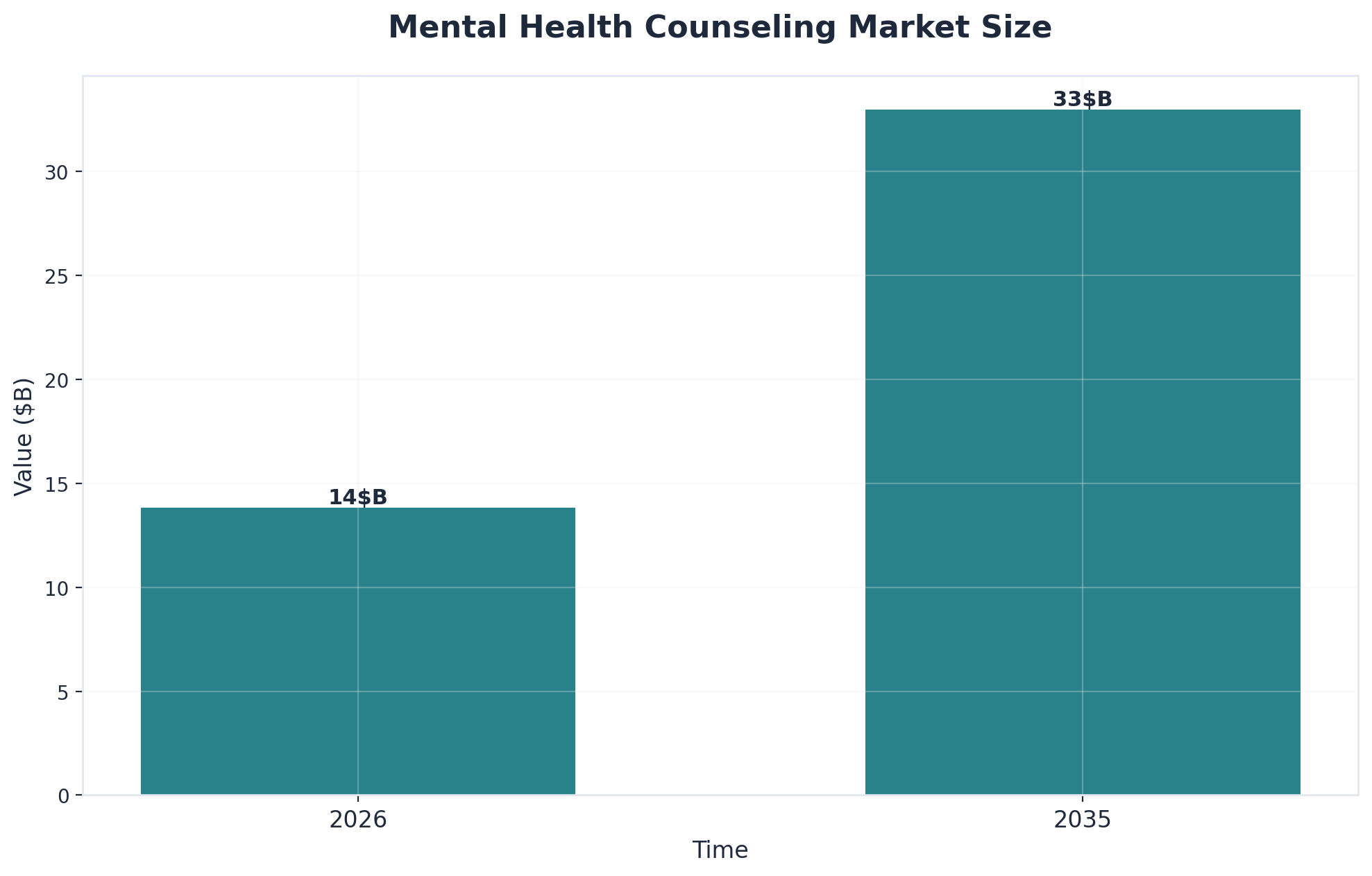
The timeline and depth of treatment are often the deciding factors for individuals seeking help. While counseling offers a sprint toward solving a specific problem, therapy is often a marathon toward holistic change.
| Aspect | Counseling | Therapy |
|---|---|---|
| Typical Duration | 6 weeks to 6 months | 6 months to several years |
| Session Frequency | Weekly or bi-weekly | Weekly (often strict cadence) |
| Goal | Resolution of specific issue | Symptom reduction & insight |
Counseling's 6-20 Session Framework: This brief intervention format is designed to deliver focused guidance. Research shows this framework allows for targeted progress without a major time commitment, making it ideal for situational stressors1.
Therapy's Extended Periods: Therapy often unfolds over a longer horizon because it addresses the architecture of the mind. For conditions like complex PTSD or personality disorders, sustained engagement is necessary to build trust and rewire emotional responses.
The distinction between surface-level work and deep-pattern work is critical. Counseling operates largely on the conscious level—addressing what is happening now. Therapy frequently engages with the unconscious or subconscious—addressing why it is happening.
Surface-level work targets present-day challenges using direct problem-solving strategies. Therapy, in contrast, explores deep-pattern work—helping individuals explore underlying emotional patterns, unresolved experiences, or long-standing beliefs. Research shows that therapy’s depth allows people to get to the root of recurring difficulties or co-occurring mental health symptoms1.
While both approaches use evidence-based tools, the application differs. Counseling often relies on structured interventions such as Motivational Interviewing or Contingency Management—methods proven to help people develop coping skills, especially in substance use recovery6, 9. Therapy draws from a broader toolkit like CBT, DBT, and EMDR to facilitate trauma processing and personality integration.
Understanding the alphabet soup of credentials can help you find the right provider. While there is overlap, specific licenses often indicate a provider's primary focus.
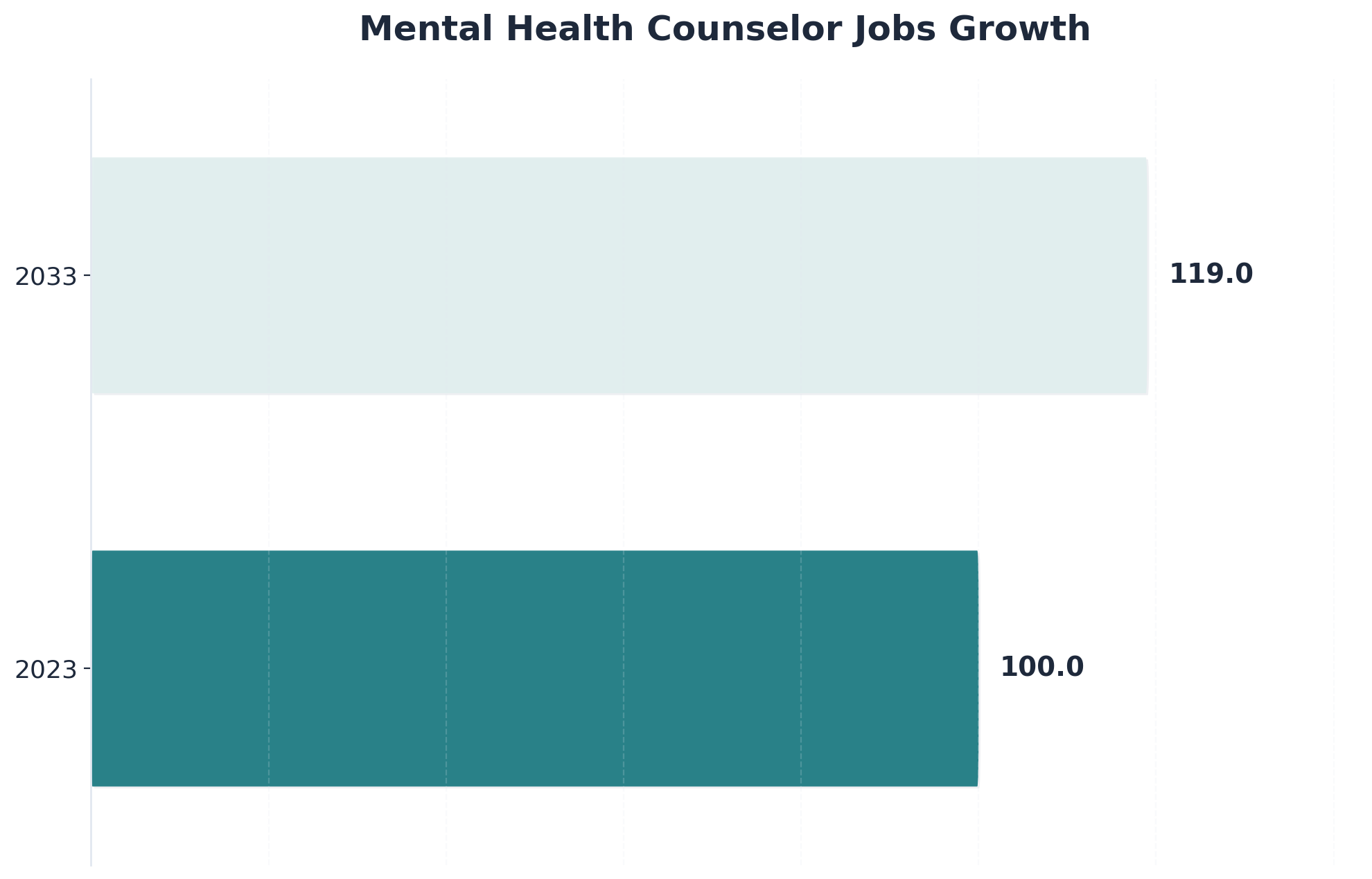
Counselors typically complete a master’s degree focusing on practical skills for supporting individuals through life transitions2. Therapists may hold similar master's degrees but often pursue additional post-graduate certifications in specialized modalities (like trauma-informed care) to address complex needs.
Regardless of the title, all legitimate mental health professionals in Vermont, Massachusetts, Connecticut, and New Hampshire must be licensed by their respective state boards. This ensures adherence to strict ethical codes and HIPAA compliance.
Note on Prescribing: Neither counselors nor therapists (generally) prescribe medication. This role is reserved for psychiatrists (MD/DO) or psychiatric nurse practitioners, though therapists often work closely with these medical providers to coordinate care.
Making the choice between therapy vs counseling depends on your goals, the severity of your symptoms, and whether you are dealing with co-occurring substance use issues.
You are facing a specific, identifiable problem and need tools to manage it. Counseling is most effective for:
Counseling shines when the goal is functional improvement in a specific area rather than deep personality change.
You are dealing with chronic distress, trauma, or complex mental health conditions. Therapy becomes essential when:
For those in Vermont, Massachusetts, Connecticut, and New Hampshire, virtual access has bridged the gap between these services. Integrated virtual care allows mental health professionals to coordinate evidence-based therapy and targeted counseling within a single treatment plan. This is particularly vital for co-occurring disorders, where a patient may need counseling for immediate relapse prevention skills and therapy for underlying trauma5.
Yes, it’s common and often helpful to switch from counseling to therapy if your needs change over time. Many people begin with counseling for short-term support or practical coping skills, then transition to therapy if deeper emotional work or long-term mental health support becomes necessary. Research shows that integrating or adjusting these modalities can improve outcomes, especially when someone’s challenges become more complex or persistent1.
Pathfinder does not provide primary mental health care. Instead, Pathfinder specializes in treating co-occurring mental health symptoms alongside substance use disorder (SUD) recovery. If a person is only looking for therapy or counseling for a mental health concern without a substance use component, Pathfinder is not the right fit. Readers across Vermont, Massachusetts, Connecticut, and New Hampshire can access this integrated care virtually1, 5.
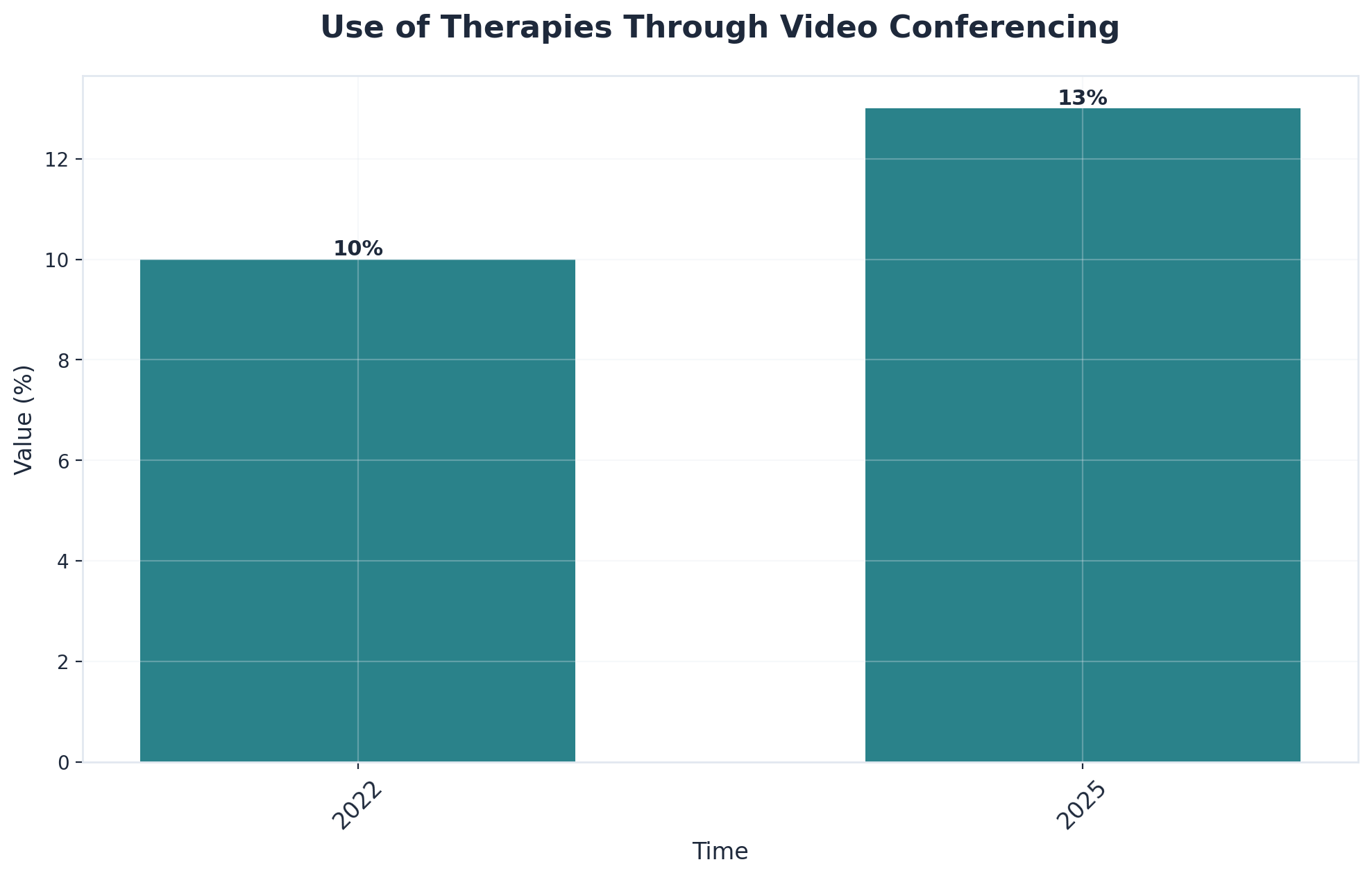
Virtual therapy is just as effective as in-person sessions for most mental health concerns. Studies have found no significant differences in symptom improvement or functional outcomes between telehealth and face-to-face care5. This flexibility helps people stay engaged in their mental health journey, no matter which approach they choose.
Counseling is often a good starting point for short-term, practical support—such as building coping skills and managing triggers. Therapy becomes important if you’re facing deeper issues like trauma or co-occurring mental health symptoms. A licensed mental health professional can help assess your situation and recommend the best fit6, 9.
No. All mental health professionals must follow HIPAA regulations, which require that your information and participation in care remain private and secure. Details about your sessions are never shared with your workplace unless you provide written permission3.
Yes, especially when delivered by professionals trained in co-occurring treatment. Therapy helps individuals unpack the root causes of trauma, while counseling contributes by teaching practical coping skills. Research shows that combining these approaches leads to better outcomes for those with dual concerns1, 3.
Results depend on the method and the therapeutic relationship. Sometimes, switching from long-term therapy to short-term counseling, or incorporating skill-building strategies, can make a difference. Virtual access also opens up more options to find a provider that suits your unique situation3.
Yes, as part of a coordinated plan. While therapists and counselors provide behavioral support, they work with licensed medical providers (physicians or nurse practitioners) who prescribe and monitor medications. Telehealth delivery of MAT combined with counseling is effective and increases access to care5.
November 6, 2025

November 6, 2025
.jpg)
May 28, 2025