
Individual Counseling in VT: A Confidential Guide
Learn how Vermont’s licensed counselors offer confidential individual counseling with flexible telehealth options and integrated care for mental health needs.

May 26, 2026


Written and reviewed by the leadership team at Pathfinder Recovery, including licensed medical and clinical professionals with over 30 years of experience in addiction and mental health care.
The landscape of addiction treatment has evolved significantly, offering individuals multiple pathways to recovery. Virtual rehab programs deliver evidence-based treatment through digital platforms, allowing participants to access therapy sessions, group meetings, and clinical support from any location with internet connectivity.
Understanding the fundamental differences between these models is crucial for making an informed decision. While traditional programs rely on physical attendance at a facility, virtual care leverages technology to bring recovery into your daily life.
Virtual rehab offers a flexible, confidential path to recovery by connecting individuals with licensed clinicians and peer support through secure video sessions. These programs deliver substance use disorder treatment and support for co-occurring mental health conditions right at home. This model removes hurdles like travel, waitlists, and scheduling conflicts.
Studies reveal that 154% more people accessed virtual substance use care during the pandemic, reflecting how online recovery programs can fill gaps for rural residents and busy professionals.2
Evidence-based care in virtual rehab includes a range of clinically validated therapies delivered remotely. These approaches are supported by video sessions, secure messaging, and interactive digital tools that help individuals develop coping skills in real time.
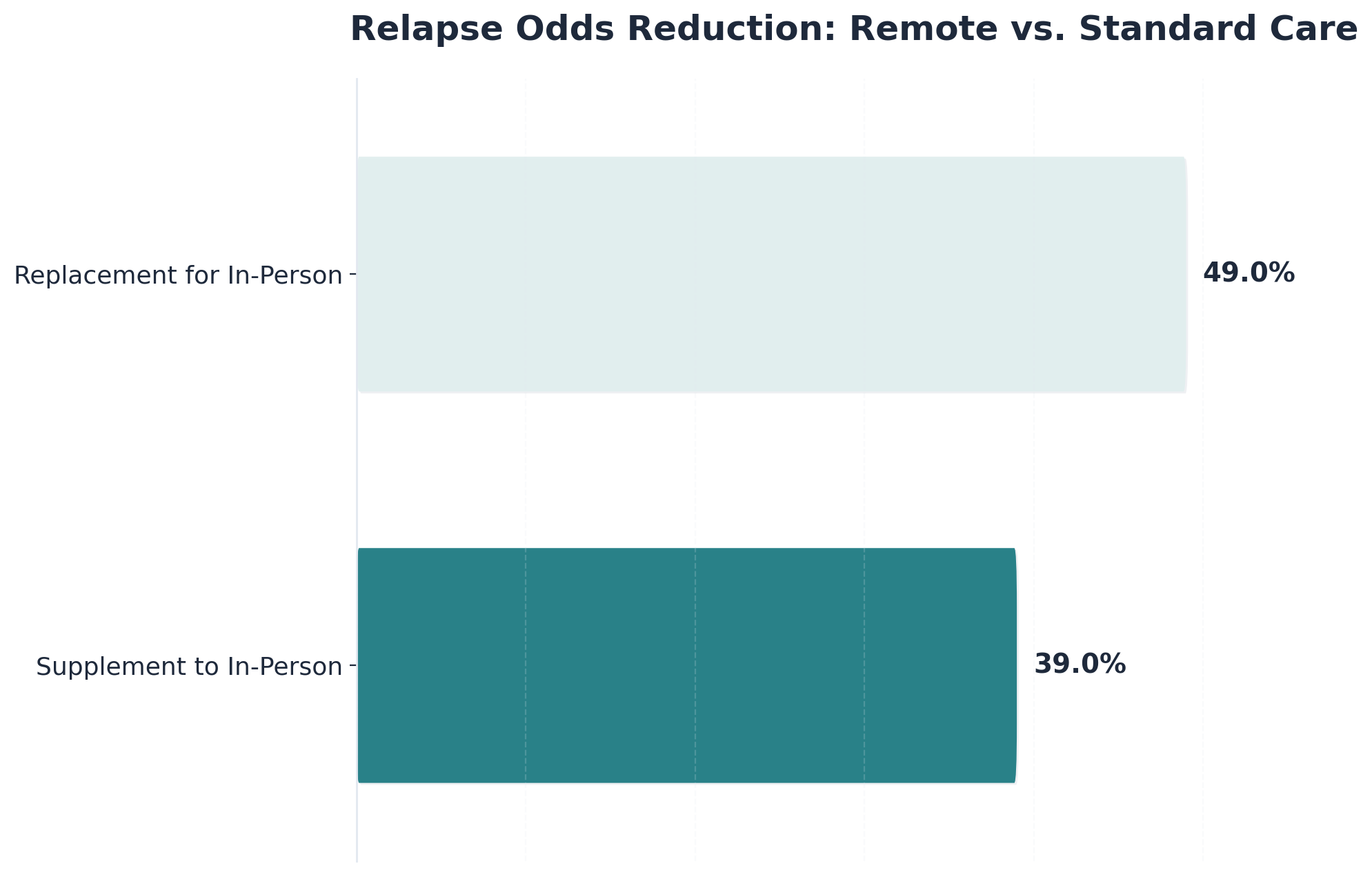
Industry leaders find that remote interventions can reduce relapse odds by 39% to 49% compared to standard in-person treatment.2,5
Technology is the backbone of virtual rehab. Secure video conferencing platforms, HIPAA-compliant messaging, and user-friendly mobile apps enable participants to join therapy sessions and track progress. For many in Vermont, Massachusetts, Connecticut, and New Hampshire, these digital tools remove barriers like long travel times.
However, the digital divide remains a challenge. People without reliable internet or up-to-date devices may find it difficult to fully participate. Health systems are continuing to invest in infrastructure to ensure equitable access to remote behavioral therapies.2
Traditional in-person treatment is built on direct, face-to-face interactions at clinics or residential facilities. This model is often necessary for individuals with high medical needs or limited support at home, offering a safe, immersive environment to focus on recovery.
Inpatient and residential programs provide a highly structured environment where participants live on-site. These programs offer:
This intensive approach is the gold standard for individuals with high medical risk or unstable living situations—areas where virtual rehab may not be sufficient2.
Outpatient clinic-based services allow individuals to attend therapy sessions and workshops at a provider’s office while living at home. This is typically less intensive than residential programs and suits those with stable home environments. While virtual rehab offers similar flexibility, some individuals find the physical presence of peers and counselors essential for accountability.2
Research comparing virtual and face-to-face addiction treatment has produced encouraging results. A comprehensive study found that telehealth-based treatment programs achieved comparable retention rates and clinical outcomes to conventional in-person services. Participants in both modalities demonstrated similar reductions in substance use and improvements in overall functioning.
Relapse prevention is a critical metric. Studies reveal that remote addiction treatment can reduce the odds of relapse by 39% to 49%, either as a supplement or a full replacement for standard care. This suggests that for many, the virtual format is not just a convenient alternative, but a clinically potent one.2,5
The effectiveness of virtual care stems from real-time support and continuous access to digital tools. When virtual care supplements in-person treatment, relapse rates drop by 39%; when it fully replaces in-person care, the reduction can reach 49%. For residents in New England, this validates virtual rehab as a robust pathway to better outcomes.2
A major strength of virtual rehab is "real-world skill building." By delivering therapy in the individual’s home environment, online treatment helps people practice coping strategies where they actually live and work. This contrasts with the "rehab bubble" of inpatient programs, where triggers are artificially removed. Virtual care supports better generalization of recovery tools, as participants strengthen habits in real time.2
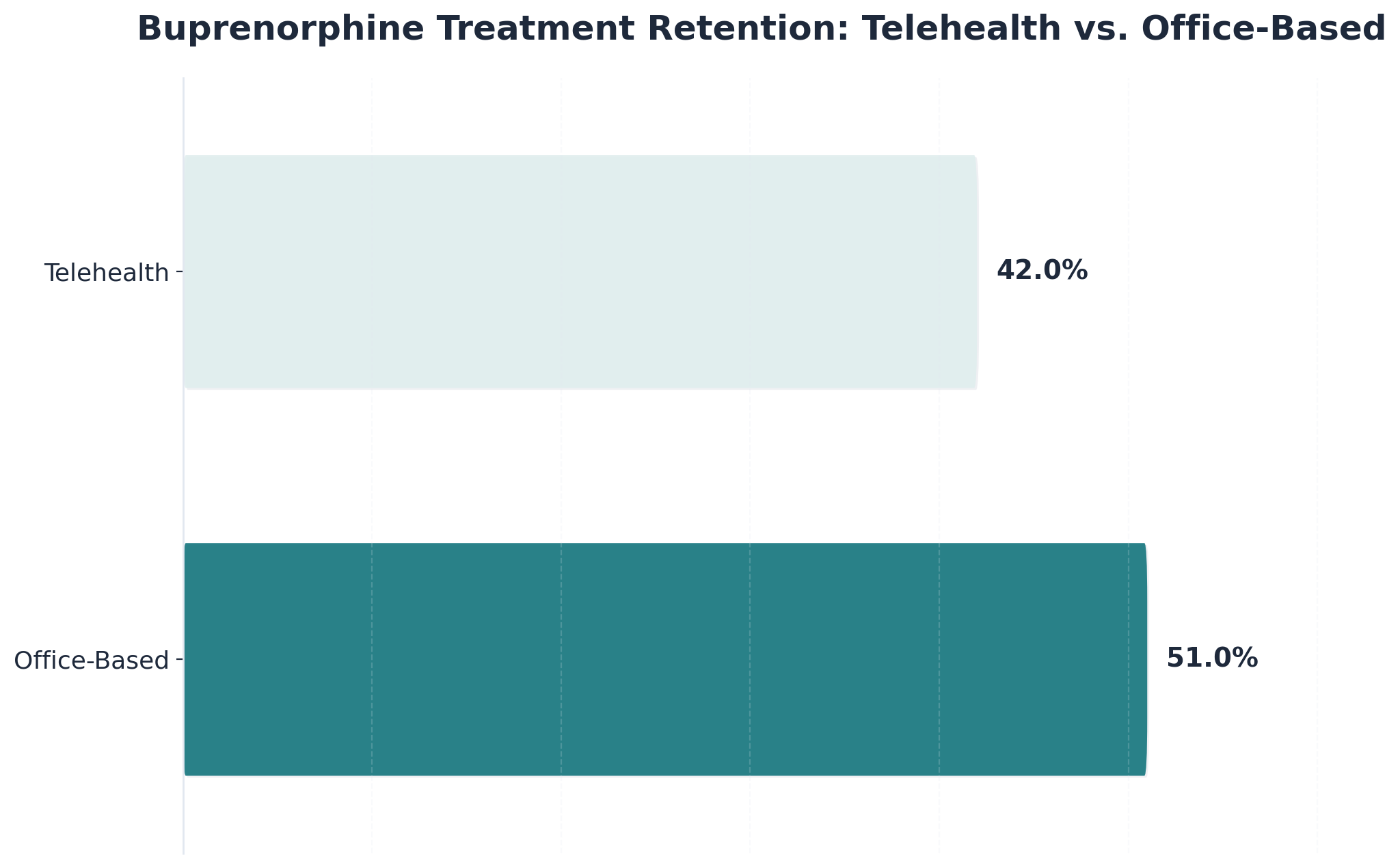
Retention is crucial for long-term recovery. Research shows that retention rates for telehealth and office-based treatment are statistically similar. Specifically, 42% of virtual care participants and 51% of clinic-based individuals stayed engaged after one year.10
The data indicates that digital addiction programs are just as effective as traditional models at supporting long-term participation. The ability to attend sessions from home and use mobile apps makes virtual rehab accessible, maintaining strong engagement without the friction of travel.
Virtual rehab is a lifeline for rural residents, boosting treatment engagement by 143% compared to in-person options. In states with significant rural populations like Vermont and New Hampshire, this flexibility allows individuals to stay connected to specialized resources without uprooting their lives.7
Virtual recovery programs have transformed access by removing traditional barriers. Geographic limitations, transportation challenges, and scheduling conflicts no longer stand in the way of evidence-based treatment.
Before telehealth became widespread, only about 10% of people who needed substance use disorder support received it, often due to distance and waitlists. Virtual rehab bridges this gap, allowing individuals to connect with licensed providers from home.10
Traditional in-person rehab often requires traveling hours to the nearest clinic or waiting weeks for an appointment. Virtual rehab shrinks these barriers, speeding up access to care. This shift ensures that more individuals can start their recovery journey when they are ready, rather than when a physical spot opens up.
For professionals and parents, taking weeks off for rehab is often impossible. Virtual rehab allows individuals to participate in therapy during breaks or evenings. This model also benefits families, as loved ones can join sessions remotely to provide encouragement.8
Virtual rehab offers the option to receive support from home, reducing the likelihood of being seen entering a treatment center. This privacy can significantly decrease the stigma associated with seeking help.4
Participating in treatment from a private office means there is no need to sit in a public waiting room. This level of discretion is vital for professionals in smaller communities across New England, where reputation is a concern. Secure video sessions allow individuals to maintain strict boundaries between their health journey and professional life.
A safe, private home environment is essential for effective virtual rehab. Individuals living in crowded housing or situations involving domestic conflict may find it challenging to participate. Additionally, the "digital divide" means not everyone has the high-speed internet required for seamless video calls.2
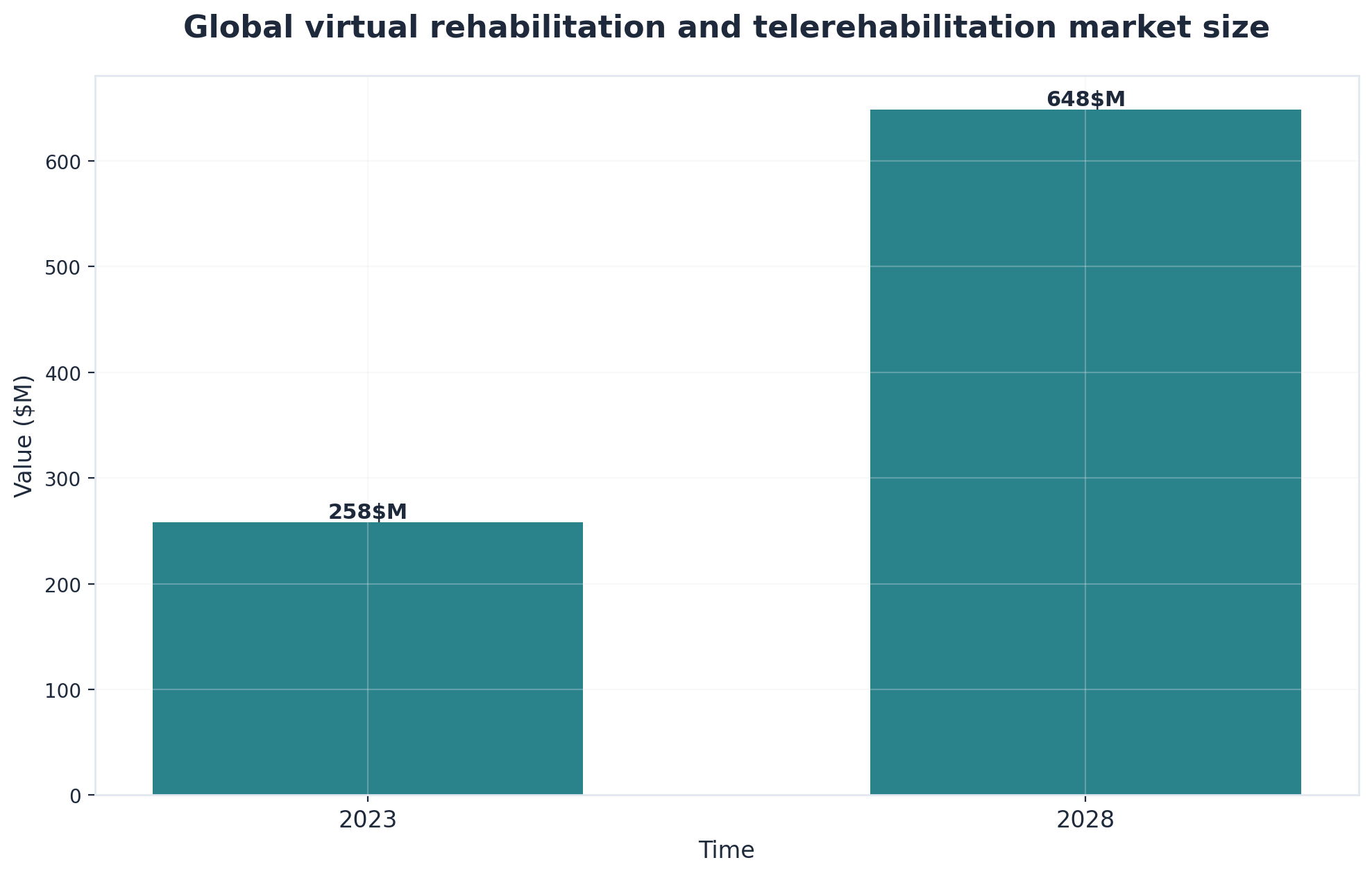
Treatment costs vary significantly between telehealth and traditional office-based addiction care. Telehealth options typically offer lower overall costs due to reduced overhead expenses—there are no facility maintenance fees or commute expenses to factor in.
Virtual rehab is generally more cost-effective. It eliminates expenses like transportation and childcare that accumulate for individuals attending in-person programs. Studies reveal that for treatments like buprenorphine, telehealth approaches match in-person retention rates while delivering substantial savings.10
By eliminating the need for physical facilities and on-site staffing, digital addiction treatment reduces overhead. For patients, this translates to fewer out-of-pocket expenses. When weighing options, consider how these savings can remove barriers to consistent care.
Medicare and many private insurers now recognize virtual substance use disorder services as medically necessary. Regulatory changes have mandated parity, meaning individuals can access remote care without facing higher out-of-pocket costs compared to clinic-based programs.3,10
Access to specialized services like Medication-Assisted Treatment (MAT) is a deciding factor for many. Virtual rehab offers remote MAT delivery through secure telehealth appointments.
MAT, including medications like buprenorphine, can be managed entirely online. Research shows that retention rates for telehealth-based buprenorphine treatment are comparable to traditional office-based care (42% vs 51%). This streamlines medication management for those with busy schedules.10
At-home detox can be safe when proper protocols are followed. Studies show that over 75% of individuals completing home-based detox remain abstinent at one month. However, this is only recommended for those with a stable home environment and low risk of severe withdrawal.9
Selecting the right treatment delivery model depends on your unique circumstances. Both virtual and in-person formats offer structured support, but aligning the modality with your lifestyle is key to success.
Virtual rehab is often the ideal choice for those needing flexibility and privacy. It is particularly effective for:
For working adults, virtual rehab provides a discreet pathway to recovery. Participating from a private office avoids the risk of being seen at a local clinic, protecting professional reputation while ensuring access to evidence-based care.4
Virtual rehab allows for the customization of the recovery environment. This is crucial for individuals with ADHD, autism, or trauma histories who may find traditional group settings overwhelming. Features like chat-based options and flexible scheduling help reduce anxiety.2
In-person treatment is recommended when safety and intensive monitoring are the priorities. Consider this model if you have:
Individuals managing life-threatening withdrawal or unstable physical health require the close observation available only in clinics. In these cases, the hands-on care of a multidisciplinary team is critical for safety.1
Hybrid models blend the strengths of both approaches. Individuals may start in a residential setting for stabilization and transition to virtual care as they gain independence. This combination optimizes retention by offering hands-on support during high-risk periods and convenience as confidence grows.2
Yes, you can often switch from in-person treatment to virtual rehab if your needs or circumstances change. Many providers in Vermont, Massachusetts, Connecticut, and New Hampshire now offer flexible care pathways that allow individuals to move between in-person and digital addiction treatment. This shift can make sense if you relocate, need more privacy, or face new barriers like transportation or scheduling conflicts.
You can usually start virtual rehab much faster than waiting for an in-person bed. Virtual rehab programs often allow you to begin treatment within days—or sometimes even the same week—because there’s no need to wait for physical space to open up. Research highlights that before telehealth became common, only about 10% of people who needed substance use disorder care actually received it each year due to waitlists.10
Yes, you can receive Medication-Assisted Treatment (MAT), including medications like Suboxone, entirely through virtual rehab in Vermont, Massachusetts, Connecticut, and New Hampshire. Virtual rehab programs connect you with licensed clinicians via secure video visits for assessment, prescription, and ongoing monitoring.
At-home detox can be safe for some individuals, but it isn’t right for everyone. Virtual rehab offers at-home detox under strict protocols, including frequent telehealth check-ins. Studies reveal that over 75% of people who complete home-based detox remain abstinent at one month. However, for anyone with medical complications, in-person detox is safer.9
Long-term outcomes for individuals completing virtual rehab are on par with in-person treatment. Research shows that virtual rehab can reduce relapse odds by 39% to 49% compared to standard care, and retention rates are comparable (42% for virtual vs. 51% for office-based).2,5,10
No, your employer will not automatically be notified. Virtual rehab providers follow strict confidentiality laws, such as HIPAA. Unless you choose to share your treatment details or need to request time off, your employer has no direct access to your health records.
Yes, virtual rehab is widely covered. Medicare and many private insurers now recognize virtual substance use disorder services as medically necessary, often providing coverage comparable to traditional in-person programs.3,10
You’ll need a device such as a computer, tablet, or smartphone with a working camera and microphone, plus access to a stable internet connection. Most programs use secure, user-friendly video conferencing software.
Recovery from addiction is a journey that requires commitment, support, and appropriate resources. Whether you choose virtual or in-person care, the most effective approach is the one that fits your unique situation, including addiction severity, personal responsibilities, and support systems.
If you or someone you care about is struggling, remember that seeking help is a sign of strength. Recovery is possible, and thousands of people successfully navigate this journey each year. Reach out to qualified treatment professionals to discuss whether virtual treatment, in-person care, or a hybrid model would best support your goals.
If you or a loved one are ready to create a life you love—without having to sacrifice your work, family, and responsibilities—we're here to support you on that journey. Contact us today for personalized care from the comfort of your own home. We will work with your insurance provider so you can focus on what really matters: recovery.
May 26, 2026

November 6, 2025

May 4, 2026