Written and reviewed by the leadership team at Pathfinder Recovery, including licensed medical and clinical professionals with over 30 years of experience in addiction and mental health care.
The Hidden Crisis Surrounding Addiction Treatment for Working Dads
Working fathers face a particularly challenging paradox when it comes to seeking help for substance use disorders. Society expects them to be providers, protectors, and pillars of strength—expectations that make admitting vulnerability feel impossible. Consequently, finding effective addiction treatment for working dads often takes a backseat to professional obligations. Many fathers struggling with addiction fear losing their jobs, damaging their professional reputation, or being seen as failures by their families.
The statistics paint a sobering picture. Men are 40% less likely than women to seek treatment for substance use disorders, with stigma and work obligations cited as primary barriers. For fathers specifically, the pressure intensifies: they worry about taking time away from work, the financial impact on their families, and the potential judgment from colleagues and supervisors.
This silence comes at a devastating cost. Untreated substance use disorders don't just affect the individual—they ripple through entire families. Children may struggle with emotional regulation, trust issues, and an increased risk of developing their own substance use challenges later in life. Partners often bear the weight of additional responsibilities while navigating their own emotional turmoil.
Yet these same barriers that prevent working fathers from seeking traditional treatment—inflexible schedules, lack of privacy, and professional concerns—are precisely what modern virtual care solutions are designed to overcome. Recovery doesn't have to mean choosing between getting help and maintaining professional responsibilities. Through telehealth platforms, confidential online therapy, and flexible scheduling options, working fathers can now access evidence-based treatment that integrates seamlessly with their work and family commitments.
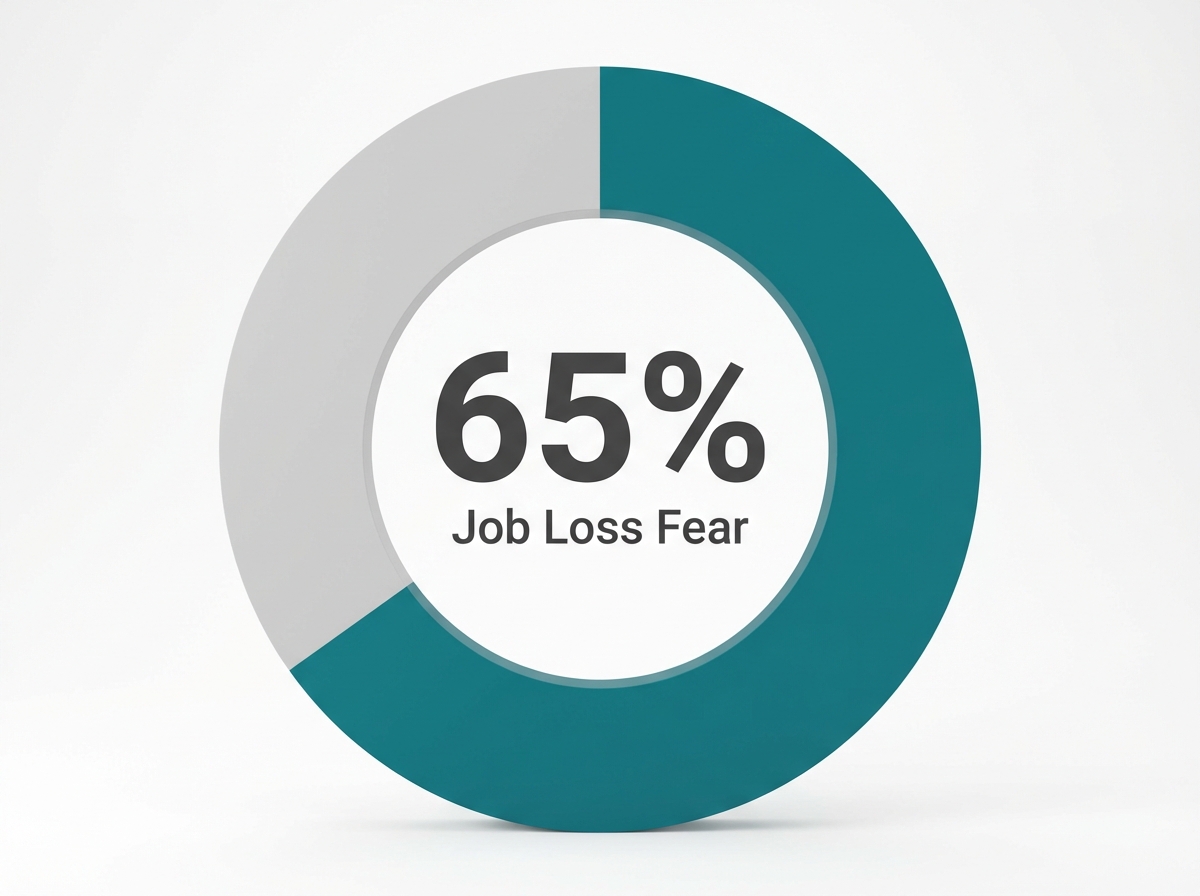
Studies show 65% of employed men with substance use concerns worry about job loss if they get treatment.5
Why Working Dads Delay Seeking Help
Many working dads delay seeking help for substance use issues, even when they know support is available. A big reason is the fear of risking their job or being judged at work.
Others hesitate because traditional treatment options rarely fit around their demanding schedules, leaving little flexibility for those balancing work and parenting. Family responsibilities add another layer of pressure. For fathers who are primary providers, stepping back—even temporarily—can feel impossible and lead to guilt or anxiety about letting loved ones down.
Research confirms that men often wait 8-12 years longer than women before starting addiction treatment for working dads, largely due to these barriers. Stigma, time constraints, and the weight of responsibility all combine to make seeking help feel out of reach. Understanding these challenges is a key step in finding solutions that actually work for working fathers.8
Virtual Addiction Treatment for Working Dads: A Flexible Solution
For working fathers, finding time for recovery appointments can feel impossible—a challenge that grows even more complex in the rural and suburban communities across New England. Between work meetings, school pickups, and family responsibilities, traditional in-person treatment programs often create more stress than relief. Virtual care eliminates these barriers by bringing professional addiction treatment directly to wherever life happens.
Telehealth platforms allow individuals to connect with licensed clinicians from home, during lunch breaks, or even while traveling for work. A father in Burlington might attend a session during his lunch hour, then return to afternoon meetings without anyone knowing he stepped away. A construction supervisor in Manchester could connect from his truck between job sites. An accountant in Hartford schedules his weekly session for 7 AM before the household wakes up.
This flexibility means recovery doesn't require taking time off, explaining absences to employers, or sacrificing precious family moments. Sessions can be scheduled around existing commitments rather than forcing everything else to accommodate treatment. The privacy of virtual care also addresses a significant concern for many fathers. There's no need to worry about being seen entering a treatment facility or explaining where you're going. Confidential video sessions provide the same clinical expertise as in-person visits while maintaining discretion that matters to professionals balancing career and recovery.
How Telehealth Treatment Actually Works
Telehealth treatment for addiction is designed to fit seamlessly into the daily routine of working dads, making support truly accessible. Here’s how it works: after a simple online enrollment, individuals connect with licensed counselors and medical providers through secure video calls. Sessions can be scheduled before or after work, during lunch breaks, or at times that fit around parenting duties.
A typical telehealth program includes private therapy sessions, group meetings, and, when needed, medication-assisted treatment (MAT)—all delivered virtually. Digital tools like secure messaging and online progress tracking help keep dads connected to their care team between appointments. Studies show this virtual approach can reduce dropout rates by 30-40% compared to traditional, in-person programs.3
Table 1: Telehealth Treatment Analysis:
Pros
Cons
Flexible scheduling (Early AM/Late PM)
Technology access required (High-speed internet)
Increased privacy (HIPAA Compliant)
Not ideal for severe or complex medical detox
No commute or travel needed
Less face-to-face interaction with peers/providers
Proven Outcomes for Working Professionals
Virtual care isn’t just convenient—it’s producing strong results for working professionals who need addiction treatment for working dads without putting careers or family at risk. Multiple studies confirm that virtual addiction treatment programs achieve retention rates of 65-75% for working adults, which is significantly higher than the 40-55% seen with traditional, in-person models. This means more dads are sticking with their recovery plans, leading to better long-term outcomes.3
One reason for these better outcomes is flexibility, allowing fathers to get help on their own terms. Research shows that when working dads can schedule sessions around work and family, they’re more likely to complete treatment and maintain sobriety. Telehealth also increases privacy, which helps reduce the stigma that keeps many men from starting their recovery journey.3
However, not every person will thrive in a virtual-only setting—especially those with severe medical needs or limited internet access.
Recovery, Made Possible — From Home
Pathfinder Recovery offers in-home addiction and mental health treatment that fits your life — not the other way around.From at-home detox and MAT to virtual IOP and peer support, our licensed clinicians bring evidence-based care to you through secure telehealth.
For working fathers balancing recovery with career and family responsibilities, attending daily clinic visits for medication management simply isn't realistic. Work schedules, children's activities, and geographic distance create barriers that can derail treatment before it truly begins. Medication-assisted treatment through virtual care removes these obstacles while maintaining the clinical rigor necessary for effective recovery.
Virtual MAT programs combine FDA-approved medications like buprenorphine or naltrexone with remote monitoring and support. Treatment typically begins with an initial video assessment, followed by weekly check-ins during the first month that gradually decrease to bi-weekly or monthly appointments as stability increases. Prescribers monitor progress through secure video calls that can be scheduled during lunch breaks or after hours, while urine drug screens are coordinated at local labs near work or home. Medications are prescribed and delivered to neighborhood pharmacies, eliminating the need for specialized clinic visits.
This approach proves particularly valuable across New England's diverse geography—from rural Vermont towns where the nearest addiction specialist may be 90 minutes away, to suburban Massachusetts communities where traffic and work commitments make weekday appointments challenging. The clinical outcomes remain strong—research shows that telehealth MAT produces comparable results to in-person treatment while significantly improving treatment retention rates.
Understanding MAT: Buprenorphine and Naltrexone
Understanding how medication-assisted treatment (MAT) actually works helps explain why it’s a valuable option in addiction treatment for working dads. The two most common MAT medications—buprenorphine and naltrexone—each play a unique role in supporting recovery while letting fathers stay present for their families and jobs.
Buprenorphine acts by binding to opioid receptors in the brain, easing cravings and withdrawal symptoms without producing the intense high associated with misuse. This makes it possible to stabilize brain chemistry so dads can focus on their responsibilities and therapy. Naltrexone, on the other hand, blocks the effects of opioids and reduces the rewarding feeling that can trigger relapse. Unlike some other medications, naltrexone does not cause dependence and can be taken as a daily pill or monthly injection, offering flexibility for busy routines.4
Research shows that MAT—including both buprenorphine and naltrexone—increases treatment retention by 60% compared to counseling alone.4
Table 2: Medication Comparison for Working Professionals:
Medication
How It Works
Pros
Cons
Buprenorphine
Reduces cravings and withdrawal by activating receptors
Can be started quickly; flexible
May require daily use
Naltrexone
Blocks opioid effects and cravings
No dependence; monthly option
Needs full detox first
Managing Treatment Without Missing Work
Managing addiction treatment for working dads doesn’t have to mean sacrificing a paycheck or putting your career at risk. With virtual medication-assisted treatment (MAT), appointments and check-ins can be planned around work hours—whether that means before the office, during a lunch break, or after the kids are in bed. This flexibility lets fathers keep up with their responsibilities while still getting the care they need.
Research shows that when dads can schedule treatment on their own terms, they’re much more likely to stick with their recovery plan—MAT increases treatment retention by 60%, making it a practical solution for busy lives. Digital tools like secure messaging, online progress tracking, and virtual therapy sessions mean fewer disruptions to work and family routines. However, reliable internet and device access are essential, and some dads may miss the community feel of in-person care.4
The real test of recovery skills isn't in a therapist's office—it's in the moment when stress hits during a work deadline, or when someone offers a drink at a social gathering, or when old patterns threaten to resurface during a family conflict. Outpatient programs are designed around this reality. Rather than teaching coping strategies in isolation, therapists work with clients to apply these tools in the actual situations where they're needed.
A person learning stress management techniques might practice them during an actual work deadline, then discuss what worked and what didn't in their next session. Someone rebuilding social connections might attend a gathering where alcohol is present, using beforehand planning and real-time support to navigate the situation successfully. These aren't hypothetical scenarios—they're the lived experiences that become the curriculum.
This approach creates a continuous feedback loop between therapeutic guidance and real-world application. When someone encounters a trigger at home or faces a challenging situation at work, they can bring that immediate experience into their next session. Therapists help process what happened, refine strategies, and prepare for similar situations. Over time, clients develop a personalized toolkit of responses that actually work in their specific environment, with their particular stressors, and within their unique circumstances.
Family Support and Parenting in Recovery
Family support can make a dramatic difference in addiction treatment for working dads.
Research shows that when fathers involve their families in recovery, sustained success rates jump by 35-45% compared to going it alone.6
This is because family members can offer encouragement, help with accountability, and share in the victories—large or small—throughout the journey. For many working dads, the real challenge is balancing parenting duties with treatment goals. Parenting stress is a common relapse trigger, so finding ways to blend family time and recovery is crucial. Flexible care models, like virtual counseling or evening group sessions, let fathers stay present for their children while still prioritizing their health.
Accessing Support in New England States
Accessing support for addiction treatment for working dads in Vermont, Massachusetts, Connecticut, and New Hampshire has become much more practical thanks to virtual care and recent changes in state policies. Telehealth programs are now widely available across New England, allowing fathers to connect with licensed providers, join group sessions, and receive medication-assisted treatment—all without needing to take time off work or travel long distances.
This regional shift is especially important for dads living in rural areas or smaller towns who previously struggled to find care nearby. Recent updates mean that most major insurance plans in these states now cover virtual addiction treatment, making it more affordable for working fathers to get help on their own terms. Flexible scheduling, privacy, and the ability to integrate family involvement have led to higher engagement and better outcomes for dads in New England.3,10
Taking the First Step Without Disrupting Your Life
Starting treatment doesn't mean putting your entire life on hold—but for working fathers, the fear of choosing between recovery and providing for their families feels very real. Here's what thousands of working fathers have discovered: Virtual intensive outpatient programs make it possible to begin recovery while maintaining work responsibilities, family commitments, and daily routines. Sessions typically occur during evening hours or flexible time slots, allowing individuals to attend from home without lengthy commutes or extended absences.
The first step involves reaching out for a confidential assessment. During this initial conversation, clinical staff evaluate treatment needs, discuss program options, and answer questions about what to expect. There's no pressure to commit immediately—this assessment simply provides information to make an informed decision about next steps.
Many people worry about privacy concerns or explaining absences to employers. Virtual programs offer natural discretion, as sessions occur in private spaces without the need for explanations about medical appointments or treatment facilities. For those in Vermont, Massachusetts, Connecticut, and New Hampshire, accessing specialized care for substance use disorder and co-occurring mental health conditions has never been more straightforward.
The father who shows up for recovery shows up stronger for his family. Schedule a 15-minute confidential call today—from your car during lunch, from home after the kids are in bed, or from wherever feels most comfortable. That single conversation could be the turning point that allows you to be fully present for the people who need you most.
Experience Virtual Healing With Pathfinder Recovery
If you or a loved one are ready to create a life you love—without having to sacrifice your work, family, and responsibilities—we're here to support you on that journey. Contact us today for personalized care from the comfort of your own home. We will work with your insurance provider so you can focus on what really matters: recovery.
Frequently Asked Questions
Working fathers navigating addiction recovery face distinct challenges that require honest, practical answers. Understanding how treatment fits into an already demanding life can make the difference between reaching out for help and continuing to struggle alone.
How do I talk to my employer about needing treatment without risking my job?
Talking to an employer about needing addiction treatment for working dads can feel overwhelming, but there are steps that help protect both privacy and job security. Begin by reviewing your company’s policies—many workplaces offer Employee Assistance Programs (EAPs) that provide confidential support and resources. Research shows employees are three times more likely to seek help when an EAP is available, and these programs are designed to keep health information private while offering guidance on work adjustments.7
When starting the conversation, it helps to focus on your commitment to recovery and how flexible treatment options (like telehealth) will limit disruption to your work. Consider requesting a private meeting with HR or a trusted supervisor, and share only as much personal detail as you’re comfortable with—federal laws like the Family and Medical Leave Act (FMLA) may also protect your right to medical leave for treatment.
Will my insurance cover virtual addiction treatment in Vermont, Massachusetts, Connecticut, or New Hampshire?
Most major insurance providers in Vermont, Massachusetts, Connecticut, and New Hampshire now cover virtual addiction treatment for working dads, including telehealth visits, counseling, and medication-assisted treatment (MAT). Thanks to recent state and federal policy changes, coverage for virtual care has expanded—making it easier for working fathers to access support without needing to travel or disrupt work schedules.10
However, the details depend on your specific insurance plan. Some policies may require prior authorization or have restrictions on which telehealth services are covered. It’s a good idea to contact your insurance provider directly or ask your treatment program for help verifying coverage.
What happens if I relapse while in virtual treatment?
If a relapse happens while you’re in virtual addiction treatment for working dads, it’s not a sign of failure—it’s a signal that your recovery plan may need to be adjusted. Relapse is a common part of the healing process, and research shows that ongoing support and quick action can help get things back on track4.
In a virtual program, you can reach out to your care team right away through secure messaging or schedule an urgent session to talk about what happened. Your provider may update your treatment plan, recommend extra counseling, or adjust medications like buprenorphine or naltrexone to help manage cravings and triggers.
Can I receive treatment if I have co-occurring anxiety or depression alongside substance use?
Yes, you can receive treatment if you have co-occurring anxiety or depression alongside substance use. Many flexible virtual programs—including those available to working dads in Vermont, Massachusetts, Connecticut, and New Hampshire—are designed to support both substance use and common mental health concerns at the same time. Research shows that 50-60% of people with a substance use disorder also experience anxiety or depression, and treating both together leads to 40-50% better long-term recovery outcomes.9
Pathfinder, for example, offers co-occurring mental health support alongside addiction treatment for working dads, but does not provide primary mental healthcare on its own. This means you’ll work with a care team who understands how anxiety or depression can impact recovery and will tailor your plan to address both.
How can I tell if virtual treatment is actually working for me?
Knowing if virtual addiction treatment for working dads is making a real difference comes down to tracking a few key changes. Start by noticing improvements in daily life—like fewer cravings, better sleep, and more positive family or work interactions. Research shows that people in flexible, virtual programs report strong retention and progress, especially when they can set goals and see steady improvement over time.3
What if my partner or family is skeptical about virtual addiction treatment?
It’s normal for partners or family members to feel unsure about virtual addiction treatment for working dads—especially if they haven’t seen this type of care in action before. Studies reveal that family involvement can boost recovery rates by 35-45%, even when much of the support happens online.6
If your loved ones are skeptical, try inviting them to participate in an introductory telehealth session or share research showing that virtual programs often have higher retention rates than traditional in-person care for working fathers.3
Are there any downsides to choosing virtual care over traditional inpatient treatment?
Virtual care offers many advantages for addiction treatment for working dads, but it’s not without a few downsides when compared to traditional inpatient treatment. One major limitation is that virtual programs may not be the best fit for individuals with severe or complex medical needs, especially if they require in-person detox or 24/7 supervision.
There’s also the issue of technology access—reliable internet and a private space are necessary, which can be a barrier for some families. Virtual care may lack the in-person peer support and sense of community found in residential programs, which some people find helpful for accountability and emotional connection.
No items found.
{"@context":"https://schema.org","@type":"FAQPage","mainEntity":[{"@type":"Question","name":"How do I talk to my employer about needing treatment without risking my job?","acceptedAnswer":{"@type":"Answer","text":"Talking to an employer about needing addiction treatment for working dads can feel overwhelming, but there are steps that help protect both privacy and job security. Begin by reviewing your company\u2019s policies\u2014many workplaces offer Employee Assistance Programs (EAPs) that provide confidential support and resources. Research shows employees are three times more likely to seek help when an EAP is available, and these programs are designed to keep health information private while offering guidance on work adjustments. When starting the conversation, it helps to focus on your commitment to recovery and how flexible treatment options (like telehealth) will limit disruption to your work. Consider requesting a private meeting with HR or a trusted supervisor, and share only as much personal detail as you\u2019re comfortable with\u2014federal laws like the Family and Medical Leave Act (FMLA) may also protect your right to medical leave for treatment."}},{"@type":"Question","name":"Will my insurance cover virtual addiction treatment in Vermont, Massachusetts, Connecticut, or New Hampshire?","acceptedAnswer":{"@type":"Answer","text":"Most major insurance providers in Vermont, Massachusetts, Connecticut, and New Hampshire now cover virtual addiction treatment for working dads, including telehealth visits, counseling, and medication-assisted treatment (MAT). Thanks to recent state and federal policy changes, coverage for virtual care has expanded\u2014making it easier for working fathers to access support without needing to travel or disrupt work schedules. However, the details depend on your specific insurance plan. Some policies may require prior authorization or have restrictions on which telehealth services are covered. It\u2019s a good idea to contact your insurance provider directly or ask your treatment program for help verifying coverage."}},{"@type":"Question","name":"What happens if I relapse while in virtual treatment?","acceptedAnswer":{"@type":"Answer","text":"If a relapse happens while you\u2019re in virtual addiction treatment for working dads, it\u2019s not a sign of failure\u2014it\u2019s a signal that your recovery plan may need to be adjusted. Relapse is a common part of the healing process, and research shows that ongoing support and quick action can help get things back on track. In a virtual program, you can reach out to your care team right away through secure messaging or schedule an urgent session to talk about what happened. Your provider may update your treatment plan, recommend extra counseling, or adjust medications like buprenorphine or naltrexone to help manage cravings and triggers."}},{"@type":"Question","name":"Can I receive treatment if I have co-occurring anxiety or depression alongside substance use?","acceptedAnswer":{"@type":"Answer","text":"Yes, you can receive treatment if you have co-occurring anxiety or depression alongside substance use. Many flexible virtual programs\u2014including those available to working dads in Vermont, Massachusetts, Connecticut, and New Hampshire\u2014are designed to support both substance use and common mental health concerns at the same time. Pathfinder, for example, offers co-occurring mental health support alongside addiction treatment for working dads, but does not provide primary mental healthcare on its own. This means you\u2019ll work with a care team who understands how anxiety or depression can impact recovery and will tailor your plan to address both."}},{"@type":"Question","name":"How can I tell if virtual treatment is actually working for me?","acceptedAnswer":{"@type":"Answer","text":"Knowing if virtual addiction treatment for working dads is making a real difference comes down to tracking a few key changes. Start by noticing improvements in daily life\u2014like fewer cravings, better sleep, and more positive family or work interactions. Many programs offer online tools to check in on your progress, such as mood trackers, appointment reminders, or feedback from your care team. If you find yourself showing up for sessions, using coping strategies more often, and feeling more connected to your support system, these are good signs treatment is working."}},{"@type":"Question","name":"What if my partner or family is skeptical about virtual addiction treatment?","acceptedAnswer":{"@type":"Answer","text":"It\u2019s normal for partners or family members to feel unsure about virtual addiction treatment for working dads\u2014especially if they haven\u2019t seen this type of care in action before. Studies reveal that family involvement can boost recovery rates by 35-45%, even when much of the support happens online. If your loved ones are skeptical, try inviting them to participate in an introductory telehealth session or share research showing that virtual programs often have higher retention rates than traditional in-person care for working fathers."}},{"@type":"Question","name":"Are there any downsides to choosing virtual care over traditional inpatient treatment?","acceptedAnswer":{"@type":"Answer","text":"Virtual care offers many advantages for addiction treatment for working dads, but it\u2019s not without a few downsides when compared to traditional inpatient treatment. One major limitation is that virtual programs may not be the best fit for individuals with severe or complex medical needs, especially if they require in-person detox or 24/7 supervision. There\u2019s also the issue of technology access\u2014reliable internet and a private space are necessary, which can be a barrier for some families."}}]}
Pathfinder Recovery offers in-home addiction and mental health treatment that fits your life — not the other way around.From at-home detox and MAT to virtual IOP and peer support, our licensed clinicians bring evidence-based care to you through secure telehealth.
The Pathfinder Recovery App and Smart Ring keep your care team connected to your progress between sessions — monitoring sleep, stress, and recovery milestones in real time.It’s proactive, private, and personalized — so support is always within reach.
Pathfinder Recovery provides Telehealth Peer Coaching for ongoing virtual support, guidance, and accountability in recovery—helping you stay connected and empowered every step of the way.
Learn how Vermont’s licensed counselors offer confidential individual counseling with flexible telehealth options and integrated care for mental health needs.