Written and reviewed by the leadership team at Pathfinder Recovery, including licensed medical and clinical professionals with over 30 years of experience in addiction and mental health care.
Understanding Virtual Rehab in Connecticut
Finding effective rehab in Connecticut doesn't mean you have to leave your home or pause your career. Virtual recovery programs deliver comprehensive care for dependency disorders through secure, HIPAA-compliant video platforms. This modern approach connects individuals with licensed specialists, therapists, and recovery coaches from the comfort and privacy of their chosen environment. Rather than commuting to a physical facility, participants access proven therapeutic methods through their computer, tablet, or smartphone.
The clinical framework mirrors traditional face-to-face programs while leveraging technology to enhance accessibility. Research demonstrates that virtual treatment produces comparable outcomes to in-person care. Care typically includes individual counseling sessions, group therapy, medication-assisted consultations, and family support services. Licensed clinicians conduct thorough assessments, develop personalized recovery plans, and provide ongoing therapeutic interventions using identical proven methodologies found in brick-and-mortar settings.
Feature
Traditional In-Person Rehab
Virtual Rehab in Connecticut
Retention Rates
60-65% retention typically
65-70% retention (higher engagement)
Accessibility
Requires travel; limited by geography
Statewide access; eliminates travel barriers
Scheduling
Fixed clinic hours
Flexible (evenings/weekends available)
One significant advantage of virtual care is the elimination of geographic and logistical barriers. Individuals living in rural areas, those with transportation challenges, or people balancing demanding work schedules can now access specialized recovery services that might otherwise remain out of reach. This flexibility extends to appointment scheduling, with many programs offering evening and weekend sessions to accommodate diverse lifestyles.
This enhanced accessibility proves particularly valuable when addressing the full spectrum of recovery needs. Virtual programs provide integrated care for co-occurring psychological conditions alongside dependency disorders, ensuring that anxiety, depression, trauma, and other behavioral health challenges receive appropriate attention within a unified therapeutic framework.
What Makes Telehealth Effective for SUD
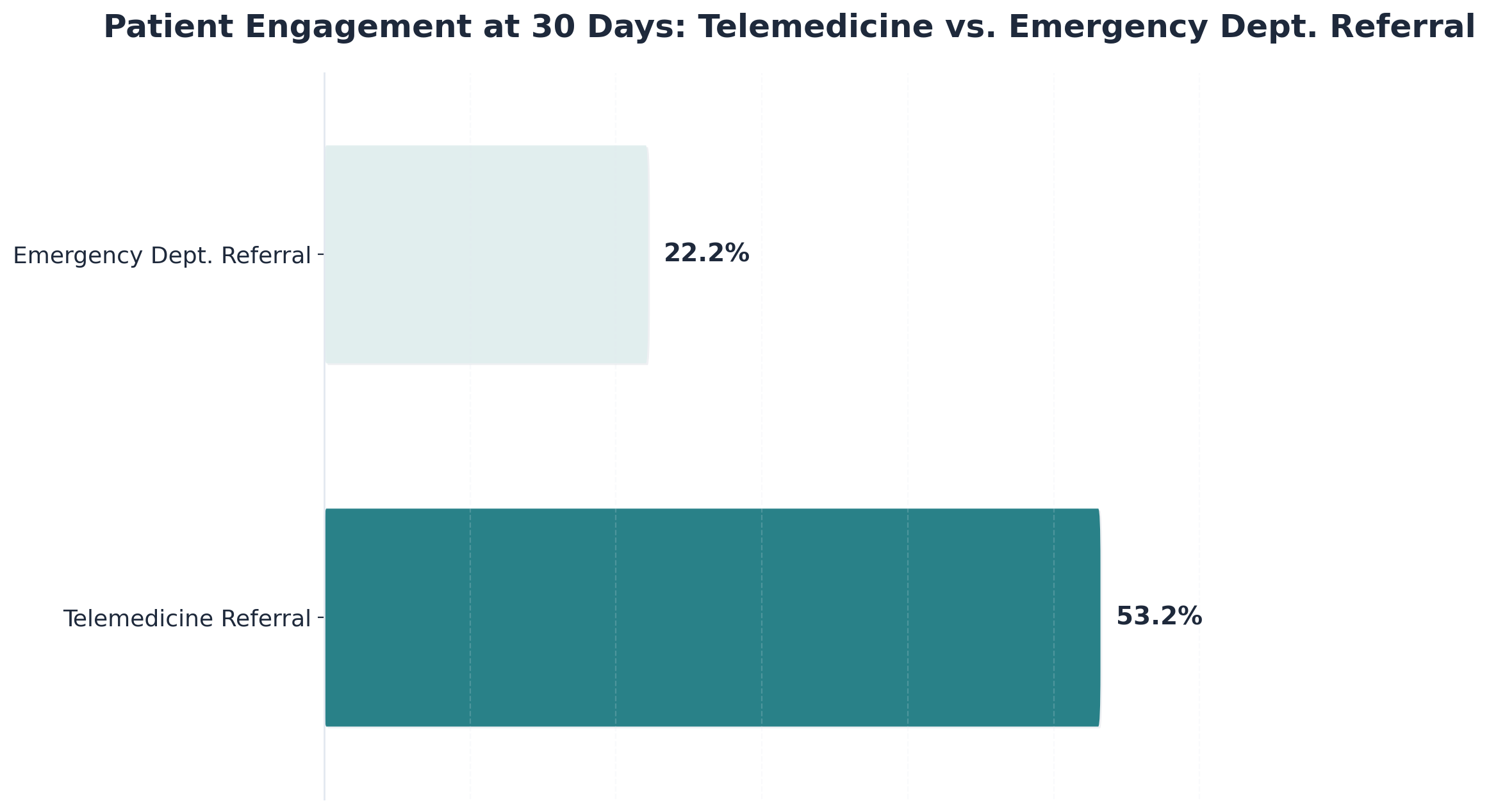
Think of telehealth as the modern toolkit for recovery—combining evidence-based practices with the convenience of digital access. Research shows that virtual SUD programs achieve similar, and sometimes better, outcomes compared to in-person care. For example, studies find that individuals using telemedicine for opioid use disorder are 2.59 times more likely to stay engaged in treatment after 30 days than those referred from emergency departments10. This increased engagement is crucial for long-term recovery.
Telehealth also helps people overcome common obstacles like travel, stigma, and unpredictable schedules, making online addiction treatment in Connecticut especially appealing for working adults and rural residents4.
Practice This: List two barriers that might keep someone from seeking in-person SUD care (e.g., "no car" or "fear of being seen"). Next, write down how telehealth could remove those obstacles.
Evidence-Based Outcomes and Retention Rates
When it comes to substance use recovery, staying engaged in treatment is like having a lifeline—research consistently finds that longer retention leads to better outcomes. For example, individuals participating in app-based telemedicine for opioid use disorder have a 6-month retention rate of 52%, while in-person programs see only 35-41% retention7.
Patient Engagement at 30 Days: Telemedicine vs. Emergency Dept. Referral (Compares the 30-day treatment retention rates for opioid use disorder patients referred via telemedicine versus those referred from an emergency department, showing telemedicine's superior engagement.)
This pattern holds in Connecticut's virtual recovery landscape, where strong digital support networks help people maintain their treatment journey. These results highlight why online addiction support and virtual recovery programs are becoming a core choice for many seeking flexible, effective care.
How Virtual Care Removes Treatment Barriers
Many people needing support encounter challenges such as transportation issues, inflexible schedules, or concerns about privacy and stigma. Virtual addiction treatment breaks down these walls by letting individuals connect to care from home or any private space—no long commutes, no crowded waiting rooms, and less worry about being seen by others. In Connecticut, online recovery programs are especially helpful for rural residents, parents, and working professionals who might otherwise struggle to attend frequent in-person sessions4.
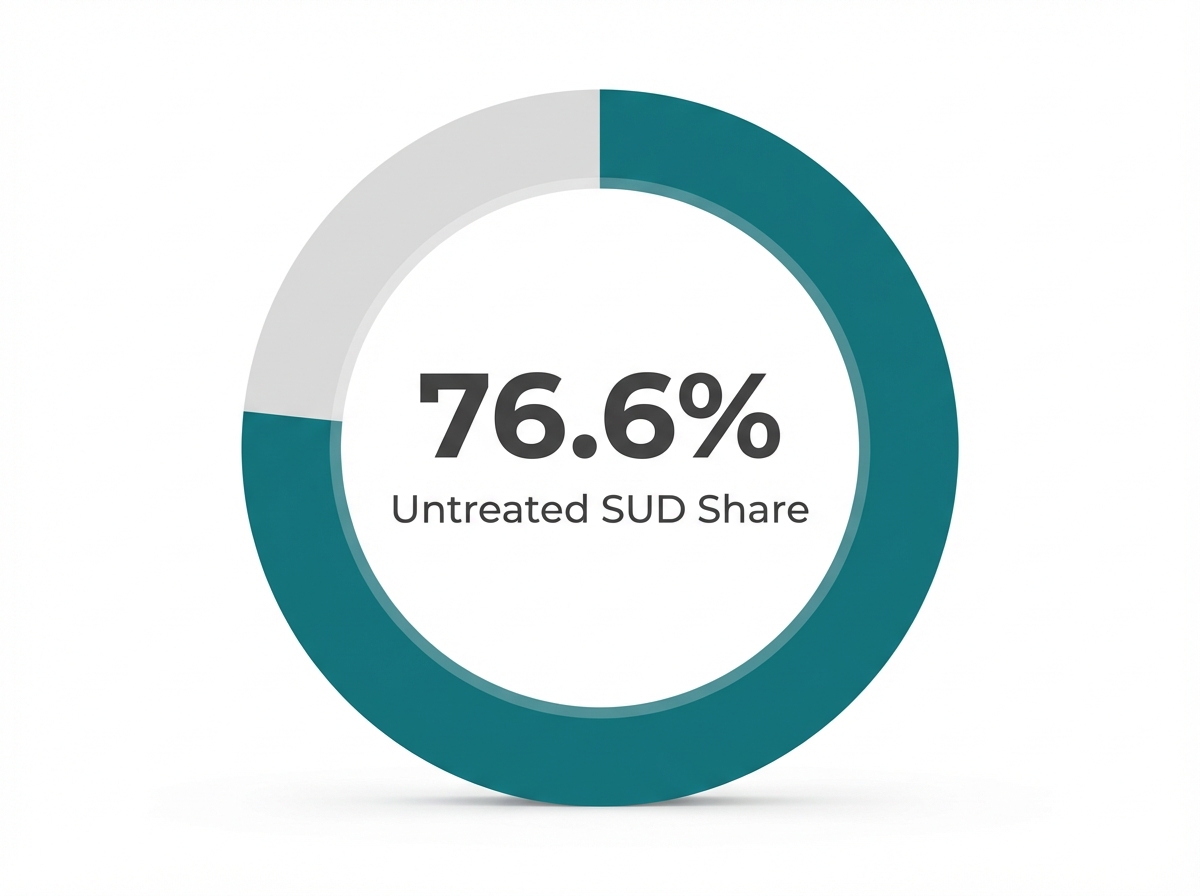
Research shows that nearly 77% of those who need SUD care never receive it, often because of these exact barriers1. By offering flexible appointments and confidential access, virtual care makes it easier for more people to start and stay in treatment.
Core Components of Online Recovery Programs
Picture an online recovery program as a well-equipped toolkit: it often brings together medication-assisted treatment (MAT), individual and group therapy sessions, and peer or family support—all delivered securely through telehealth. Each of these elements addresses a different aspect of substance use disorder and co-occurring mental health needs, so individuals can receive comprehensive support from home.
In Connecticut, virtual addiction treatment programs frequently offer access to medications like buprenorphine, a range of evidence-based therapies, and regular connections with both clinicians and peers4. These components create a flexible, person-centered experience that adapts to each individual’s life and challenges.
Medication-Assisted Treatment via Telehealth
Think of MAT as a bridge—medications help stabilize brain chemistry and reduce cravings, while virtual visits ensure ongoing support and medical oversight. In Connecticut, individuals can connect with licensed providers for assessments, get e-prescriptions sent to local pharmacies, and participate in regular telehealth check-ins to adjust dosing and monitor progress4.
Research shows that MAT, especially with buprenorphine, leads to higher retention rates and lower relapse risk in virtual settings. For example, the risk of discontinuing buprenorphine at six months is 61% lower with telemedicine than with in-person care7. These results highlight why MAT via telehealth is a key part of effective online addiction treatment programs in Connecticut.
Therapy Modalities and Peer Support Online
Online addiction treatment uses a mix of evidence-based therapies—like cognitive-behavioral therapy (CBT) and motivational interviewing—delivered through secure video calls. These approaches help individuals build coping skills, manage cravings, and address underlying patterns, all from the privacy of home4, 9.
Digital group therapy is also a key pillar; it provides a safe space to share experiences, reduce isolation, and learn from others facing similar challenges. While studies show group completion rates are higher in hybrid models, virtual-only groups still offer important support for those who need flexibility or have barriers to attending in person8. In Connecticut, virtual peer support and counseling are especially useful for people balancing work, family, or rural living, making recovery more accessible and community-driven.
Building Your Recovery Foundation at Home
With a clear understanding of how virtual rehabilitation works, the next step is translating that knowledge into action within your own living space. Virtual programs don't just deliver therapy remotely—they actively guide patients in creating home environments that support sustainable recovery. Many virtual programs begin with a home environment assessment, where therapists work with patients to identify optimal spaces and develop personalized routines that integrate therapeutic work into daily life.
The physical space where treatment takes place matters significantly. Virtual providers typically help patients designate a quiet, private area for therapy sessions, creating mental boundaries between recovery work and everyday life. This space doesn't need to be elaborate—a corner of a bedroom with a comfortable chair and reliable internet connection works perfectly. The key is consistency: using a dedicated location signals to the brain that it's time to focus on healing.
Structuring daily routines around therapeutic sessions reinforces commitment to recovery. Therapists often collaborate with patients to set regular sleep schedules, plan meals, and incorporate physical activity into their day. These seemingly simple habits provide the scaffolding that supports more intensive therapeutic work. When virtual sessions are scheduled at consistent times, they become anchors that organize the rest of the day.
Safe Medical Detox Without Inpatient Stays
Think of at-home detox as setting up a safety net in your own space: licensed providers use video check-ins, symptom tracking, and regular communication to monitor progress and adjust care in real time. For many, this approach reduces anxiety, allows for more privacy, and fits daily routines. Research shows telemedicine-based programs can safely support withdrawal for appropriate candidates, offering clear protocols and rapid connections to medical help if needed2.
Online addiction treatment in Connecticut uses these tools to help individuals navigate early recovery, making stabilization more accessible to those who can't pause work, caregiving, or other responsibilities.
Clinical Oversight for At-Home Withdrawal
During at-home withdrawal, licensed clinicians use secure video visits, regular symptom checklists, and digital monitoring tools to track physical and mental health in real time. This setup is like having a medical safety net at home: providers can quickly adjust medications, address concerns, and connect individuals with emergency care if needed.
In Connecticut, telemedicine detox programs follow strict guidelines to determine who qualifies for this care, ensuring only those with stable medical profiles participate2. These protocols, paired with rapid escalation plans, have allowed virtual addiction treatment in Connecticut to safely support withdrawal for many people who would otherwise avoid or delay care due to barriers like transportation or privacy concerns4.
Who Qualifies for Ambulatory Detox Services
Ambulatory detox is best suited for adults with mild to moderate withdrawal symptoms, a stable living situation, and no severe medical or psychiatric complications that require inpatient monitoring. Providers look for individuals who have a reliable internet connection, can participate in daily check-ins, and have supportive people nearby if needed.
In Connecticut, telemedicine detox programs use thorough screenings—including health history and mental status—to decide if at-home care is appropriate2. Those who qualify benefit from flexible, private, and effective support without leaving home, while anyone with complex health needs may be referred to a higher level of in-person care.
Customizing Treatment for Your Life Context
Virtual addiction treatment isn’t one-size-fits-all. Instead, it offers flexible scheduling, lets people choose between individual and group sessions, and uses digital tools to check in on progress. For example, working professionals can access sessions before or after work, while neurodivergent adults might benefit from customized approaches that reduce sensory overload or build in more structure4.
This adaptable model helps more people engage in care and stick with it, which is vital since research shows that virtual SUD programs in Connecticut reach those who might otherwise skip treatment due to daily life challenges1.
Flexible Scheduling for Working Professionals
Virtual addiction treatment programs offer evening, early morning, and lunchtime appointments, as well as secure video sessions that can be joined from a private office or even during a break. This means individuals don’t have to miss work or use vacation days to access care. Industry leaders find that these options address one of the biggest barriers for working adults—time—and help them stay consistently engaged in recovery4.
Online recovery services and remote counseling also provide the privacy and convenience needed for maintaining both work responsibilities and wellness. Digital SUD programs in Connecticut often allow clients to reschedule easily, so treatment adapts to real-life demands, not the other way around.
Specialized Support for Neurodivergent Adults
Virtual recovery programs can be a game-changer for neurodivergent individuals. For example, the ability to join sessions from a familiar environment helps minimize sensory overload, while digital tools allow for communication in multiple formats (like chat, video, or structured worksheets). Providers often tailor therapy approaches by breaking sessions into manageable steps, using visual aids, or building in extra structure and predictability.
Studies reveal that these customizations not only improve comfort but also help neurodivergent adults stay engaged in care—an especially important factor given the higher risk for substance use challenges in this group4. In Connecticut, online addiction therapy and remote counseling are designed to meet people where they are, making recovery possible for more individuals.
Recovery, Made Possible — From Home
Pathfinder Recovery offers in-home addiction and mental health treatment that fits your life — not the other way around.From at-home detox and MAT to virtual IOP and peer support, our licensed clinicians bring evidence-based care to you through secure telehealth.
As individuals progress beyond initial stabilization, virtual programs introduce advanced therapeutic strategies that help sustain long-term progress and address the complex challenges that emerge during the healing process. These approaches go beyond basic self-care to target the underlying patterns and triggers that contribute to addiction.
Research-validated therapeutic modalities like Cognitive Behavioral Therapy (CBT) and Dialectical Behavior Therapy (DBT) provide structured frameworks for identifying and changing thought patterns that lead to relapse. In virtual CBT sessions, participants might work through interactive exercises that help them recognize automatic thoughts when cravings arise—for example, learning to challenge the belief that "one drink won't hurt" by examining past evidence and consequences.
DBT focuses on developing skills in emotional regulation, distress tolerance, and interpersonal effectiveness, with therapists guiding clients through real-time emotion identification exercises during video sessions. Both approaches have demonstrated significant success in reducing relapse rates when integrated into comprehensive recovery plans, with virtual delivery allowing for frequent check-ins and homework review between scheduled sessions.
"Trauma-informed care represents another critical component of advanced recovery support. Many individuals struggling with addiction have experienced trauma that remains unaddressed. Processing these experiences with qualified professionals through secure telehealth platforms creates pathways to healing that medication management and basic counseling alone cannot achieve."
For those managing co-occurring psychological conditions alongside chemical dependency, integrated treatment ensures both conditions receive appropriate attention simultaneously. Depression, anxiety, PTSD, and other behavioral health challenges require specialized care that addresses their intersection with addiction rather than treating them as separate issues. Virtual programs coordinate care across multiple providers, ensuring seamless communication and unified treatment planning.
Trauma-Informed Therapies for Root Causes
Think of trauma-informed care as a foundation—much like having sturdy roots that support a healthy tree. Many people living with substance use disorder have experienced trauma, which can drive patterns of coping and relapse. Virtual addiction treatment in Connecticut brings evidence-based trauma therapies directly to individuals, allowing for sensitive, private, and timely care tailored to each person's story. Studies reveal that therapies addressing trauma not only help reduce substance use but also strengthen emotional resilience, making recovery more sustainable6.
Online options for trauma-informed therapy provide access to skilled clinicians who use secure video sessions, digital resources, and structured exercises. These methods support healing at a pace that's comfortable for each person, removing barriers like travel, stigma, or lack of specialized providers—common reasons why people may hesitate to seek help.
EMDR and IFS for Underlying Trauma Healing
EMDR is a therapy designed to help the mind "re-file" traumatic memories so they cause less distress. In virtual addiction treatment programs, licensed therapists guide individuals through EMDR exercises using secure video calls, just as they would in person. The digital format allows people to do this sensitive work from a space where they feel safe, which can be especially important for trauma survivors. Similarly, IFS therapy helps individuals identify and work with different "parts" of themselves—such as the part that seeks comfort through substance use and the part that wants healing.
Research shows that trauma-focused therapies like EMDR and IFS can reduce substance use and bolster emotional resilience, making them important components of online addiction therapy in Connecticut6. Virtual rehab services also allow for more frequent, shorter sessions if needed, giving individuals flexibility to process at their own pace and maintain privacy.
Breaking the Relapse Cycle with Real Skills
Relapse is not a sign of failure but a signal that new strategies may be needed. Virtual addiction treatment in Connecticut uses approaches like cognitive-behavioral therapy (CBT), mindfulness, and motivational interviewing to help people spot triggers, manage cravings, and respond to stress in healthier ways. Think of these skills as a personalized toolkit: CBT teaches individuals to challenge unhelpful thoughts, while mindfulness helps build self-awareness and emotional regulation. According to clinical research, therapy-based skill development is a cornerstone of lasting recovery and can significantly reduce the risk of relapse6.
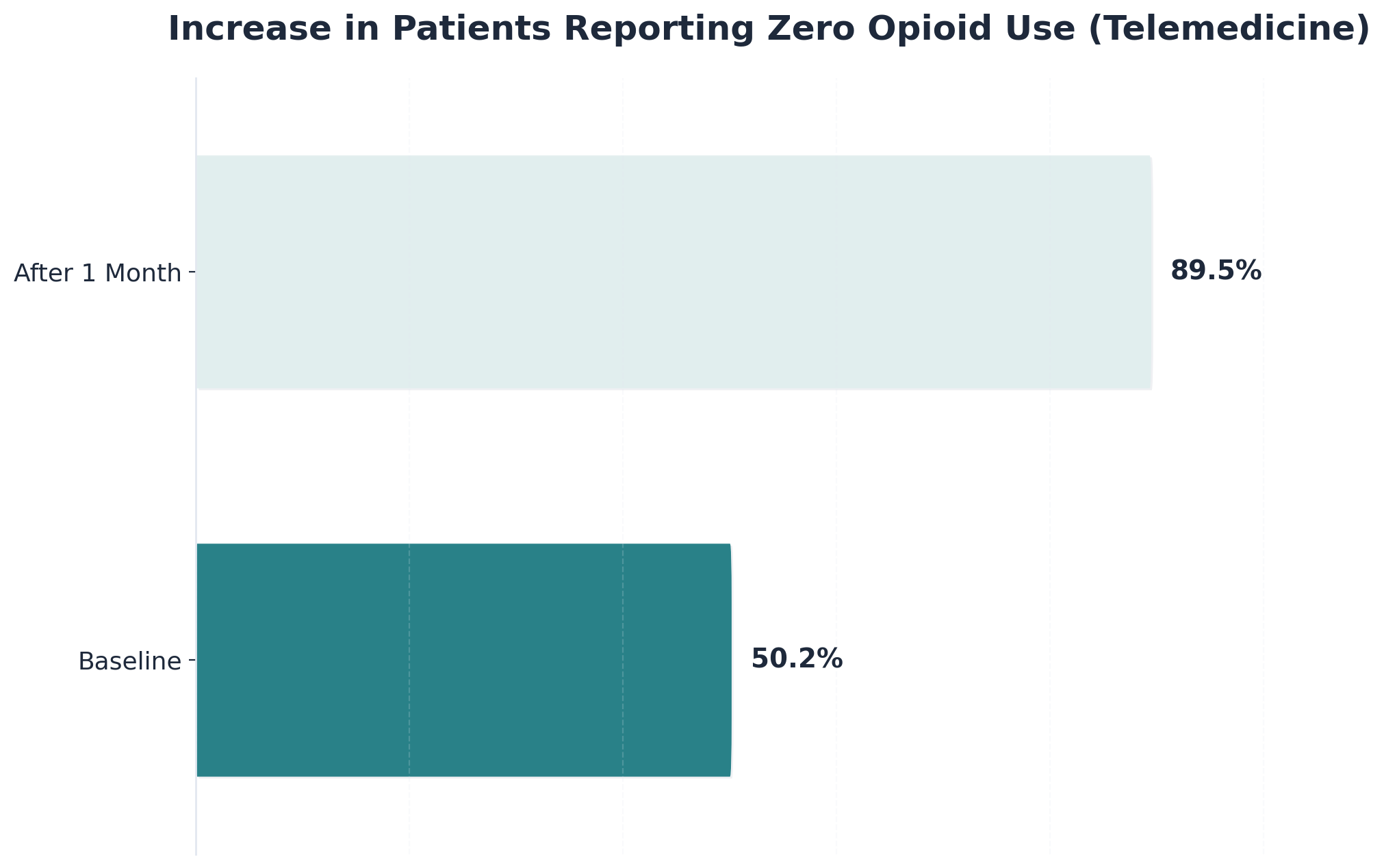
Increase in Patients Reporting Zero Opioid Use (Telemedicine) (Shows the percentage of telemedicine patients reporting zero days of opioid use in the past month, increasing from 50.2% at baseline to 89.5% after one month of care.)
Digital SUD programs provide interactive exercises, on-demand resources, and real-time feedback from clinicians or recovery coaches. Because care happens at home, individuals can immediately apply what they learn—like using a coping skill right when a craving hits or practicing stress management after a tough day.
Family Involvement and Long-Term Stability
Think of family involvement as adding extra beams to a bridge: it makes the entire structure stronger and more resilient. Studies show that when family or loved ones participate in substance use disorder treatment, individuals experience better outcomes—a 6% greater reduction in substance use compared to individual therapy alone, with benefits that can last up to 18 months5.
In Connecticut, virtual addiction treatment makes it easier for families and support networks to join therapy sessions from anywhere, offering flexible scheduling and privacy that remove many of the traditional barriers. Long-term stability also depends on ongoing support, such as maintenance medication-assisted treatment (MAT) and regular check-ins with clinicians and recovery coaches. Online programs help individuals stay engaged with these tools even as life gets busy, which research shows is key to preventing relapse and supporting continued progress6.
How Family Support Improves Recovery Outcomes
Family involvement acts like a support beam for the recovery process—helping to steady and strengthen progress, especially when challenges arise. Research shows that when family members are actively included in substance use disorder treatment, individuals experience a 6% greater reduction in substance use compared to those in individual therapy alone, with benefits lasting up to 18 months5.
In Connecticut, online addiction treatment programs often invite partners, parents, or close friends to join therapy sessions virtually, so everyone can participate without travel or scheduling hurdles. This collaborative approach helps families learn effective ways to support their loved one, improves communication, and builds a shared understanding of the recovery process.
Maintenance MAT for Sustained Sobriety
Maintenance MAT involves ongoing use of medications like buprenorphine or naltrexone, paired with regular telehealth check-ins and counseling. This approach helps stabilize brain chemistry, reduce cravings, and prevent relapse—serving as a steady anchor for individuals as they build new habits. In online addiction treatment programs, people can schedule follow-up appointments, refill prescriptions, and adjust their care plan with licensed providers, all from home.
Research shows that patients in telemedicine-based MAT have significantly higher retention rates; for example, the risk of discontinuing buprenorphine at six months is 61% lower than in traditional in-person care7. Digital MAT programs in Connecticut also allow for easier coordination with family or support networks, increasing accountability and encouragement.
Accessing Virtual Rehab in Connecticut
Connecticut serves as a representative example of how virtual recovery services have expanded across New England, offering residents comprehensive options that remove traditional barriers to care. Telehealth platforms connect individuals with licensed addiction specialists, therapists, and peer support groups from anywhere in the state—whether in Hartford, New Haven, Stamford, or rural communities where on-site services may be limited.
Virtual programs provide flexible scheduling options that accommodate work commitments, childcare responsibilities, and other obligations that might otherwise prevent someone from seeking help. Average program costs range from $200-$600 per week for intensive outpatient services, with many insurance plans covering 60-100% of these expenses. Wait times for initial assessments typically run 3-7 days, significantly shorter than the 2-4 week delays common with traditional facility-based programs.
To begin accessing virtual rehab services, individuals can start by contacting their insurance provider to understand coverage for telehealth recovery programs. Most major insurance plans now cover virtual behavioral health services at rates comparable to face-to-face care. Some programs also offer sliding scale fees or payment plans for those without insurance or with limited coverage.
Insurance Coverage and Affordability Options
Starting online addiction treatment shouldn’t mean worrying about overwhelming expenses. Most virtual SUD programs in Connecticut accept both HUSKY Health (the state’s Medicaid program) and private insurance plans, which cover key services like medication-assisted treatment, therapy, and counseling4.
For those without employer-based coverage, HUSKY Health offers comprehensive support—including medications, physician visits, and behavioral therapy—helping bridge the gap for uninsured or underinsured residents4. The state also provides resources to help individuals understand their behavioral health benefits and determine eligibility, making the process less intimidating2.
HUSKY Health and Private Insurance Navigation
Navigating insurance for online addiction treatment is simpler than many expect. Most virtual SUD programs in Connecticut accept HUSKY Health, which covers core services like medication-assisted treatment, therapy, and behavioral counseling—even for those without employer-based insurance4. Private insurance plans also generally cover these services, but it’s a good idea to check your policy for telehealth and SUD treatment specifics.
Many providers offer online tools or hotlines to help verify your benefits and guide you through the intake process2. This insurance flexibility greatly expands access to online recovery programs and digital SUD support, giving more people a pathway to get help without worrying about cost barriers.
State Resources and 24/7 Assessment Access
Connecticut’s Department of Mental Health and Addiction Services (DMHAS) makes it easier to get help by offering a 24/7 assessment line. Anyone can call at any hour to be screened and quickly connected to appropriate virtual or in-person services—removing the stress of waiting or navigating options alone2.
CT 24/7 Assessment Line:
1-800-563-4086
The state also provides a behavioral health toolkit to help individuals and families understand insurance coverage, find providers, and access digital intake forms for online addiction treatment programs. These resources help bridge the treatment gap for those who might be unsure where to start or who need immediate support.
Privacy, Security, and Clinical Excellence
Digital addiction treatment platforms in Connecticut are required to meet strict HIPAA standards—meaning every video call, message, and health record is protected with high-level encryption and privacy protocols4. This level of security often gives individuals more confidence to seek help, especially if they worry about stigma or sharing sensitive details.
Alongside confidentiality, virtual rehab in Connecticut relies on licensed clinicians and evidence-based care, ensuring individuals receive the same professional oversight as traditional programs. Research shows that most patients feel telehealth is both private and effective, with over 80% expressing satisfaction with the security and individual attention they receive4.
HIPAA Compliance and Confidential Treatment
HIPAA (Health Insurance Portability and Accountability Act) is like the lock and alarm system for your health information. In Connecticut, all virtual addiction treatment platforms are required to use HIPAA-compliant technology—meaning video calls, messages, and medical records are encrypted and kept confidential. Only you and your licensed treatment team can access your personal details.
This level of digital security is designed to help individuals feel safe sharing sensitive information, which is especially important for those worried about stigma or privacy concerns. Research finds that more than 80% of patients feel confident in the privacy and security of telehealth for substance use care, supporting strong engagement and trust in online addiction recovery programs4.
Licensed Clinicians and Evidence-Based Care
Every virtual addiction treatment program in Connecticut relies on licensed clinicians—such as physicians, nurses, and therapists—who meet the same standards as those in traditional care settings. These professionals undergo state-required training, hold appropriate credentials, and are qualified to deliver both substance use disorder support and treatment for co-occurring mental health symptoms.
Clinical teams use evidence-based practices like medication-assisted treatment (MAT), cognitive-behavioral therapy, and motivational interviewing, which are all validated by research for improving outcomes in online addiction therapy and digital recovery programs4, 9. This commitment to clinical excellence means individuals can trust that virtual rehab in Connecticut offers the same level of expertise and oversight as in-person care, but with the added advantage of flexibility and accessibility.
Begin Your Recovery Journey Today
Taking the first step toward recovery from a dependency disorder represents one of the most courageous decisions a person can make. Whether you're seeking support for yourself or a loved one, professional treatment provides the foundation for lasting change and healing. The journey may feel overwhelming, but you don't have to navigate it alone.
For Connecticut residents, accessing comprehensive virtual treatment for chemical dependency combines the clinical rigor of traditional programs with the convenience and privacy of telehealth. This approach eliminates common barriers like transportation challenges, scheduling conflicts, and geographic limitations, allowing you to maintain work responsibilities, family commitments, and other important aspects of your routine while receiving the support necessary for recovery.
Recovery is not a linear process, and everyone's path looks different. What matters most is taking that initial step and remaining committed to the journey ahead. With the right combination of proven therapeutic approaches, peer support, and professional guidance, sustainable recovery is absolutely achievable. Many individuals also benefit from integrated behavioral health services that address underlying conditions alongside dependency concerns.
The most significant factor in successful recovery outcomes is early intervention. Research consistently shows that individuals who begin treatment sooner experience better long-term results, and the support you receive today can prevent the escalation of health complications, relationship difficulties, and other consequences that often accompany untreated dependency disorders.
If you're ready to explore your options for virtual recovery programs, contact a licensed virtual treatment provider today for a confidential assessment. This initial conversation—completely private and without obligation—can help you understand available treatment options, verify insurance coverage, and create a personalized care plan. Recovery begins with a single decision to seek help, and that decision can change the trajectory of your entire life.
Frequently Asked Questions
Is virtual rehab really as effective as in-person treatment?
Yes—research consistently shows that virtual rehab is just as effective as traditional in-person treatment for substance use disorder. In fact, studies find that online addiction treatment in Connecticut matches or even surpasses in-person care in key areas like patient satisfaction, engagement, and retention. For example, over 80% of patients report being highly satisfied with telehealth recovery services, often citing the convenience, privacy, and ability to fit care into busy schedules4. Virtual rehab in Connecticut also leads to higher rates of staying in treatment—one study found that people receiving telehealth for opioid use disorder were 2.59 times more likely to remain engaged after 30 days than those referred to in-person care10.
Can I continue working while receiving virtual treatment?
Yes, you can continue working while receiving virtual treatment. Virtual rehab in Connecticut is specifically designed for people with busy schedules, including working professionals, parents, and caregivers. Programs offer flexible appointment times—including evenings, early mornings, and lunch hours—so individuals don’t have to miss work or use vacation days to access addiction support. Secure video sessions can be joined from a private office, home, or even during a break, making it possible to fit care around your job responsibilities.
How does at-home detox work and is it safe?
At-home detox in virtual rehab in Connecticut means individuals can begin withdrawal management and stabilization from the comfort and privacy of their own home, rather than needing to check into a hospital or residential facility. Safety is a top priority: licensed clinicians use secure video check-ins, symptom tracking, and digital monitoring tools to keep a close eye on physical and mental health throughout the process. Not everyone is a candidate—programs carefully screen for stable medical and psychiatric profiles before approving at-home detox.
Will my employer or colleagues find out I'm in treatment?
No, your employer or colleagues will not be notified that you are receiving virtual addiction treatment unless you choose to share that information. Virtual rehab in Connecticut is designed to protect your privacy at every step. All sessions, communications, and health records are secured using HIPAA-compliant technology, which means your information is encrypted and only accessible by you and your licensed care team4.
What if I've already been to rehab and relapsed?
Relapse is a common part of the recovery journey, and experiencing it after attending rehab does not mean that treatment has failed or that lasting recovery isn’t possible. Many individuals find that each attempt at recovery teaches them more about what works for their unique needs and which supports are most helpful. Virtual rehab in Connecticut offers renewed opportunities for skill-building, therapy, and medication-assisted treatment—all tailored to your stage of recovery.
Can family members participate in my virtual treatment?
Yes, family members can absolutely participate in your virtual treatment. Virtual rehab in Connecticut often encourages the involvement of partners, parents, or close friends by inviting them to join therapy sessions, educational workshops, or support meetings through secure video platforms. Research shows that including family in treatment leads to better outcomes—a 6% greater reduction in substance use compared to individual therapy alone, with benefits lasting up to 18 months5.
Does HUSKY Health cover virtual addiction treatment services?
Yes, HUSKY Health (Connecticut’s Medicaid program) does cover virtual addiction treatment services, making rehab in Connecticut more accessible for individuals and families. Coverage includes essential components like medication-assisted treatment (MAT), physician visits, therapy, counseling, and behavioral health support delivered through secure telehealth platforms4.
How quickly can I start treatment after my initial assessment?
You can usually begin virtual rehab in Connecticut very soon after your initial assessment—sometimes within just a day or two, depending on provider availability. Many online addiction treatment programs in Connecticut are designed for rapid access, with digital intake forms and flexible scheduling that help speed up the process. State-supported resources, like the 24/7 assessment line, also help connect individuals to care without long waits2.
What technology do I need for virtual rehab sessions?
To participate in virtual rehab in Connecticut, you’ll need just a few basic pieces of technology: a smartphone, tablet, laptop, or desktop computer with a camera and microphone, plus a reliable internet connection. Most online addiction treatment platforms use secure, HIPAA-compliant video conferencing tools that work through common web browsers or simple apps—no expensive equipment is required.
Can I get prescriptions for medication-assisted treatment through telehealth?
Yes, you can receive prescriptions for medication-assisted treatment (MAT) through telehealth as part of virtual rehab in Connecticut. After a secure video assessment with a licensed provider, medications such as buprenorphine or naltrexone can be electronically prescribed and sent directly to your local pharmacy for pick-up. This digital process follows the same clinical standards as in-person care, including regular telehealth check-ins to monitor your progress and adjust dosing as needed.
How does virtual treatment accommodate neurodivergent individuals?
Virtual rehab in Connecticut is designed to meet the unique needs of neurodivergent individuals, such as those with ADHD, autism, or other differences in thinking and processing. Online addiction treatment programs often allow participants to join sessions from their own familiar environment, which can help reduce sensory overload and make it easier to focus. Providers may use digital tools that support multiple communication styles—including video, chat, or structured worksheets—and can break appointments into manageable steps or offer extra structure for those who benefit from predictability.
What happens if I experience a crisis outside of scheduled sessions?
If you experience a crisis outside of your scheduled virtual sessions, support is still available. Most virtual rehab in Connecticut programs provide resources for urgent situations, such as 24/7 crisis hotlines, real-time messaging options, or instructions for connecting quickly with your care team. For immediate risk—such as thoughts of self-harm or medical emergencies—individuals should call 911 or the Connecticut 24/7 assessment line at 1-800-563-40862.
How long does virtual treatment typically last?
The length of virtual treatment in rehab in Connecticut varies depending on individual needs, progress, and goals. Most online addiction treatment programs offer flexible timelines—some people participate for a few weeks (such as for initial stabilization or focused skills-building), while others stay engaged for several months or longer to support ongoing recovery. Research shows that longer engagement often leads to better outcomes, with telemedicine-based programs achieving higher retention rates than in-person care.
Are virtual group therapy sessions as effective as individual counseling?
Virtual group therapy sessions in rehab in Connecticut can be highly effective, especially when they are well-structured and facilitated by experienced clinicians. Research shows that group therapy—whether in-person or online—helps individuals build community, reduce isolation, and learn practical coping skills from peers facing similar challenges4. For those participating in digital SUD programs, group settings create a space for sharing experiences and mutual encouragement, which many find essential for motivation and accountability.
No items found.
{"@context":"https://schema.org","@type":"FAQPage","mainEntity":[{"@type":"Question","name":"Is virtual rehab really as effective as in-person treatment?","acceptedAnswer":{"@type":"Answer","text":"Yes\u2014research consistently shows that virtual rehab is just as effective as traditional in-person treatment for substance use disorder. In fact, studies find that online addiction treatment in Connecticut matches or even surpasses in-person care in key areas like patient satisfaction, engagement, and retention. For example, over 80% of patients report being highly satisfied with telehealth recovery services, often citing the convenience, privacy, and ability to fit care into busy schedules. Virtual rehab in Connecticut also leads to higher rates of staying in treatment\u2014one study found that people receiving telehealth for opioid use disorder were 2.59 times more likely to remain engaged after 30 days than those referred to in-person care. These strong outcomes are possible because virtual programs provide the same evidence-based therapies, medication management, and peer support as brick-and-mortar rehab, while removing common barriers like travel or stigma."}},{"@type":"Question","name":"Can I continue working while receiving virtual treatment?","acceptedAnswer":{"@type":"Answer","text":"Yes, you can continue working while receiving virtual treatment. Virtual rehab in Connecticut is specifically designed for people with busy schedules, including working professionals, parents, and caregivers. Programs offer flexible appointment times\u2014including evenings, early mornings, and lunch hours\u2014so individuals don\u2019t have to miss work or use vacation days to access addiction support. Secure video sessions can be joined from a private office, home, or even during a break, making it possible to fit care around your job responsibilities. Research shows that these flexible options are a major reason why working adults are more likely to start and stay engaged with online addiction treatment in Connecticut compared to traditional, in-person programs."}},{"@type":"Question","name":"How does at-home detox work and is it safe?","acceptedAnswer":{"@type":"Answer","text":"At-home detox in virtual rehab in Connecticut means individuals can begin withdrawal management and stabilization from the comfort and privacy of their own home, rather than needing to check into a hospital or residential facility. Safety is a top priority: licensed clinicians use secure video check-ins, symptom tracking, and digital monitoring tools to keep a close eye on physical and mental health throughout the process. Not everyone is a candidate\u2014programs carefully screen for stable medical and psychiatric profiles before approving at-home detox. Research shows that, for appropriate individuals, telemedicine-based withdrawal can be both safe and effective, especially when protocols for rapid medical support are in place."}},{"@type":"Question","name":"Will my employer or colleagues find out I'm in treatment?","acceptedAnswer":{"@type":"Answer","text":"No, your employer or colleagues will not be notified that you are receiving virtual addiction treatment unless you choose to share that information. Virtual rehab in Connecticut is designed to protect your privacy at every step. All sessions, communications, and health records are secured using HIPAA-compliant technology, which means your information is encrypted and only accessible by you and your licensed care team. Many individuals appreciate that online addiction treatment offers added discretion\u2014there\u2019s no need to leave work for daytime appointments or worry about being seen entering a clinic."}},{"@type":"Question","name":"What if I've already been to rehab and relapsed?","acceptedAnswer":{"@type":"Answer","text":"Relapse is a common part of the recovery journey, and experiencing it after attending rehab does not mean that treatment has failed or that lasting recovery isn\u2019t possible. Many individuals find that each attempt at recovery teaches them more about what works for their unique needs and which supports are most helpful. Virtual rehab in Connecticut offers renewed opportunities for skill-building, therapy, and medication-assisted treatment\u2014all tailored to your stage of recovery. Studies confirm that relapse prevention is most effective when individuals can access ongoing, flexible care and learn new coping skills in real time."}},{"@type":"Question","name":"Can family members participate in my virtual treatment?","acceptedAnswer":{"@type":"Answer","text":"Yes, family members can absolutely participate in your virtual treatment. Virtual rehab in Connecticut often encourages the involvement of partners, parents, or close friends by inviting them to join therapy sessions, educational workshops, or support meetings through secure video platforms. Research shows that including family in treatment leads to better outcomes\u2014a 6% greater reduction in substance use compared to individual therapy alone, with benefits lasting up to 18 months. Virtual programs make it easy for loved ones to participate, even if they live far away or have busy schedules, because sessions can be scheduled flexibly and accessed from anywhere."}},{"@type":"Question","name":"Does HUSKY Health cover virtual addiction treatment services?","acceptedAnswer":{"@type":"Answer","text":"Yes, HUSKY Health (Connecticut\u2019s Medicaid program) does cover virtual addiction treatment services, making rehab in Connecticut more accessible for individuals and families. Coverage includes essential components like medication-assisted treatment (MAT), physician visits, therapy, counseling, and behavioral health support delivered through secure telehealth platforms. This means that whether you need ongoing medication, individual therapy, or counseling for co-occurring mental health symptoms, these services are typically available without needing employer-based insurance."}},{"@type":"Question","name":"How quickly can I start treatment after my initial assessment?","acceptedAnswer":{"@type":"Answer","text":"You can usually begin virtual rehab in Connecticut very soon after your initial assessment\u2014sometimes within just a day or two, depending on provider availability. Many online addiction treatment programs in Connecticut are designed for rapid access, with digital intake forms and flexible scheduling that help speed up the process. State-supported resources, like the 24/7 assessment line, also help connect individuals to care without long waits. Most people are able to schedule their first therapy or medication-assisted treatment session as soon as their insurance is verified and initial paperwork is complete."}},{"@type":"Question","name":"What technology do I need for virtual rehab sessions?","acceptedAnswer":{"@type":"Answer","text":"To participate in virtual rehab in Connecticut, you\u2019ll need just a few basic pieces of technology: a smartphone, tablet, laptop, or desktop computer with a camera and microphone, plus a reliable internet connection. Most online addiction treatment platforms use secure, HIPAA-compliant video conferencing tools that work through common web browsers or simple apps\u2014no expensive equipment is required. If you\u2019re comfortable joining a standard video call (like Zoom), you already have the tech skills needed for digital SUD counseling or remote recovery sessions."}},{"@type":"Question","name":"Can I get prescriptions for medication-assisted treatment through telehealth?","acceptedAnswer":{"@type":"Answer","text":"Yes, you can receive prescriptions for medication-assisted treatment (MAT) through telehealth as part of virtual rehab in Connecticut. After a secure video assessment with a licensed provider, medications such as buprenorphine or naltrexone can be electronically prescribed and sent directly to your local pharmacy for pick-up. This digital process follows the same clinical standards as in-person care, including regular telehealth check-ins to monitor your progress and adjust dosing as needed. Research shows that virtual MAT not only increases access but also leads to higher retention rates."}},{"@type":"Question","name":"How does virtual treatment accommodate neurodivergent individuals?","acceptedAnswer":{"@type":"Answer","text":"Virtual rehab in Connecticut is designed to meet the unique needs of neurodivergent individuals, such as those with ADHD, autism, or other differences in thinking and processing. Online addiction treatment programs often allow participants to join sessions from their own familiar environment, which can help reduce sensory overload and make it easier to focus. Providers may use digital tools that support multiple communication styles\u2014including video, chat, or structured worksheets\u2014and can break appointments into manageable steps or offer extra structure for those who benefit from predictability."}},{"@type":"Question","name":"What happens if I experience a crisis outside of scheduled sessions?","acceptedAnswer":{"@type":"Answer","text":"If you experience a crisis outside of your scheduled virtual sessions, support is still available. Most virtual rehab in Connecticut programs provide resources for urgent situations, such as 24/7 crisis hotlines, real-time messaging options, or instructions for connecting quickly with your care team. For immediate risk\u2014such as thoughts of self-harm or medical emergencies\u2014individuals should call 911 or the Connecticut 24/7 assessment line at 1-800-563-4086. Many online addiction treatment programs also offer digital check-ins or rapid appointment requests for non-emergency concerns."}},{"@type":"Question","name":"How long does virtual treatment typically last?","acceptedAnswer":{"@type":"Answer","text":"The length of virtual treatment in rehab in Connecticut varies depending on individual needs, progress, and goals. Most online addiction treatment programs offer flexible timelines\u2014some people participate for a few weeks (such as for initial stabilization or focused skills-building), while others stay engaged for several months or longer to support ongoing recovery. Research shows that longer engagement often leads to better outcomes, with telemedicine-based programs achieving higher retention rates than in-person care."}},{"@type":"Question","name":"Are virtual group therapy sessions as effective as individual counseling?","acceptedAnswer":{"@type":"Answer","text":"Virtual group therapy sessions in rehab in Connecticut can be highly effective, especially when they are well-structured and facilitated by experienced clinicians. Research shows that group therapy\u2014whether in-person or online\u2014helps individuals build community, reduce isolation, and learn practical coping skills from peers facing similar challenges. For those participating in digital SUD programs, group settings create a space for sharing experiences and mutual encouragement, which many find essential for motivation and accountability."}}]}
Pathfinder Recovery offers in-home addiction and mental health treatment that fits your life — not the other way around.From at-home detox and MAT to virtual IOP and peer support, our licensed clinicians bring evidence-based care to you through secure telehealth.
The Pathfinder Recovery App and Smart Ring keep your care team connected to your progress between sessions — monitoring sleep, stress, and recovery milestones in real time.It’s proactive, private, and personalized — so support is always within reach.
Dual Diagnosis Therapy made accessible and stigma-free. Pathfinder Recovery offers virtual care from home to support mental health and addiction recovery