Written and reviewed by the leadership team at Pathfinder Recovery, including licensed medical and clinical professionals with over 30 years of experience in addiction and mental health care.
Understanding the Vermont Drug Rehab Landscape
Vermont Recovery Landscape Snapshot
Feature
Availability & Access
Hub & Spoke Model
High availability in Burlington/Rutland; connects regional centers (Hubs) to local clinics (Spokes).
Telehealth Access
Available statewide; critical for rural areas (Essex County, NE Kingdom) with parity reimbursement.
Wait Times
In-person can be weeks/months due to staff shortages; Virtual is often same-day or next-day.
Insurance
Green Mountain Care (Medicaid) covers ~96% of residents; strong parity laws for SUD.
Vermont has developed a comprehensive network of addiction services designed to address the growing need for recovery support across its communities. Navigating the Vermont drug rehab landscape means understanding a system that balances high-tech innovation with community-based care. According to the Vermont Department of Health, opioid-related overdose deaths reached 218 in 2022, underscoring the critical demand for accessible treatment options. The landscape includes residential facilities, ambulatory programs, medication-based therapy providers, and recovery support services distributed throughout both rural and urban areas.
Vermont's approach to addiction recovery emphasizes evidence-based practices and accessibility. This jurisdiction has been particularly proactive in expanding access to pharmacological interventions, including Medication-Assisted Treatment (MAT) that combines medications like buprenorphine or naltrexone with counseling and behavioral therapies. Facilities throughout Vermont offer various levels of intervention, from intensive inpatient programs to flexible ambulatory services that allow individuals to maintain work and family commitments while receiving support.
Geographic challenges present unique considerations in Vermont's recovery landscape. With a largely rural population spread across mountainous terrain, many individuals seeking help face significant travel distances to access services. This has led to increased adoption of telehealth services, which have become an essential component of the treatment infrastructure. Virtual care has expanded access considerably, allowing people in remote areas to connect with qualified providers without lengthy commutes.
Vermont's providers work within a collaborative ecosystem that includes hospitals, community health centers, peer recovery organizations, and specialized facilities. This network approach helps ensure continuity as individuals move through different stages of recovery. Many programs also recognize the importance of addressing co-occurring psychological conditions alongside addiction challenges, offering integrated services that address both issues simultaneously.
Understanding Vermont's SUD Crisis
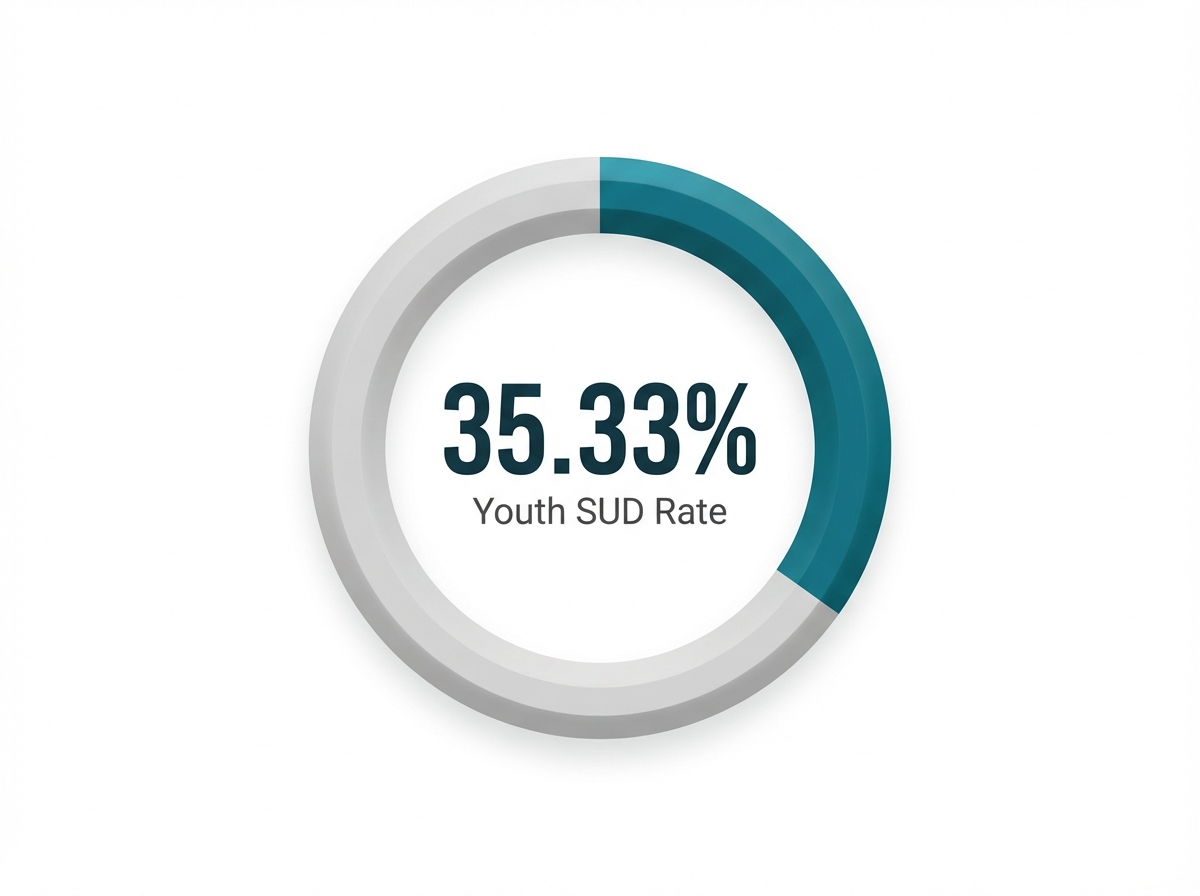
Understanding Vermont's substance use disorder (SUD) crisis means looking beyond just statistics—it's about recognizing the shifting needs throughout the Green Mountain State. Studies reveal that over one-third of Vermonters aged 18 to 25 meet the criteria for SUD, the highest rate among all age groups4. The face of addiction care is also changing: while opioid concerns remain, stimulant-related treatment admissions—especially for cocaine—have surged 53% since 20211. Still, the road to recovery is steep; of those newly diagnosed, less than half enter treatment and only a small portion remain engaged for the long haul1. The need for responsive, accessible Vermont drug rehab is more pressing than ever, especially given these statewide trends and ongoing service gaps.
Shifting Substance Use Patterns
Substance use trends in Vermont continue to evolve, challenging both providers and communities across the state. While opioid use and heroin remain critical concerns, the past two years have seen a sharp 53% rise in those seeking treatment for cocaine and crack, marking one of the most significant recent shifts in Vermont's substance use landscape1. This pattern isn't limited to Burlington—it’s affecting towns from Bennington to St. Johnsbury. At the same time, the total number of people engaging in Vermont drug rehab programs has declined from 10,822 in 2014 to 8,665 in 2023, despite a clear need for services1. These changes highlight how adaptable recovery providers must be as Vermont’s needs change.
The Treatment Gap Challenge
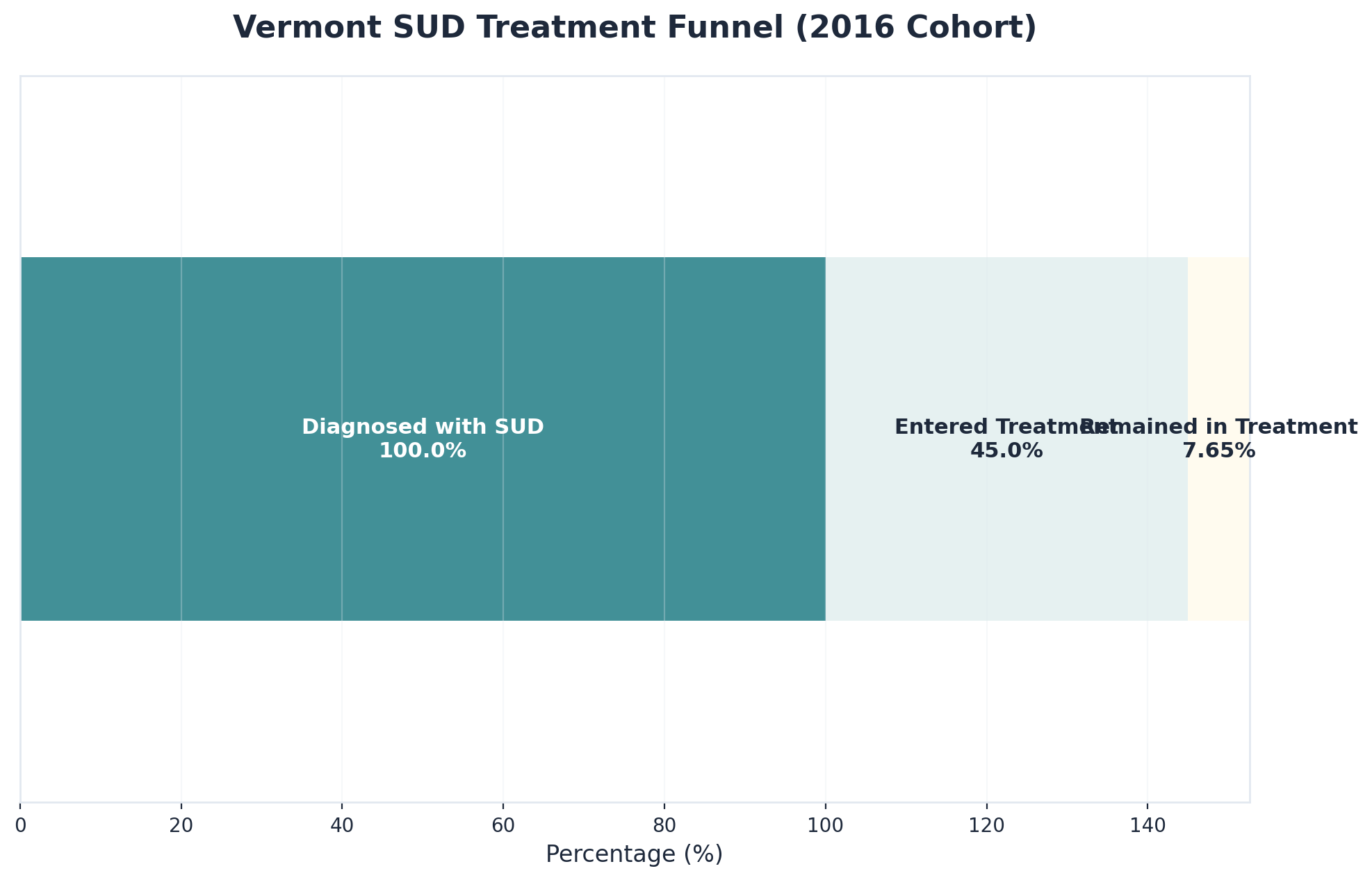
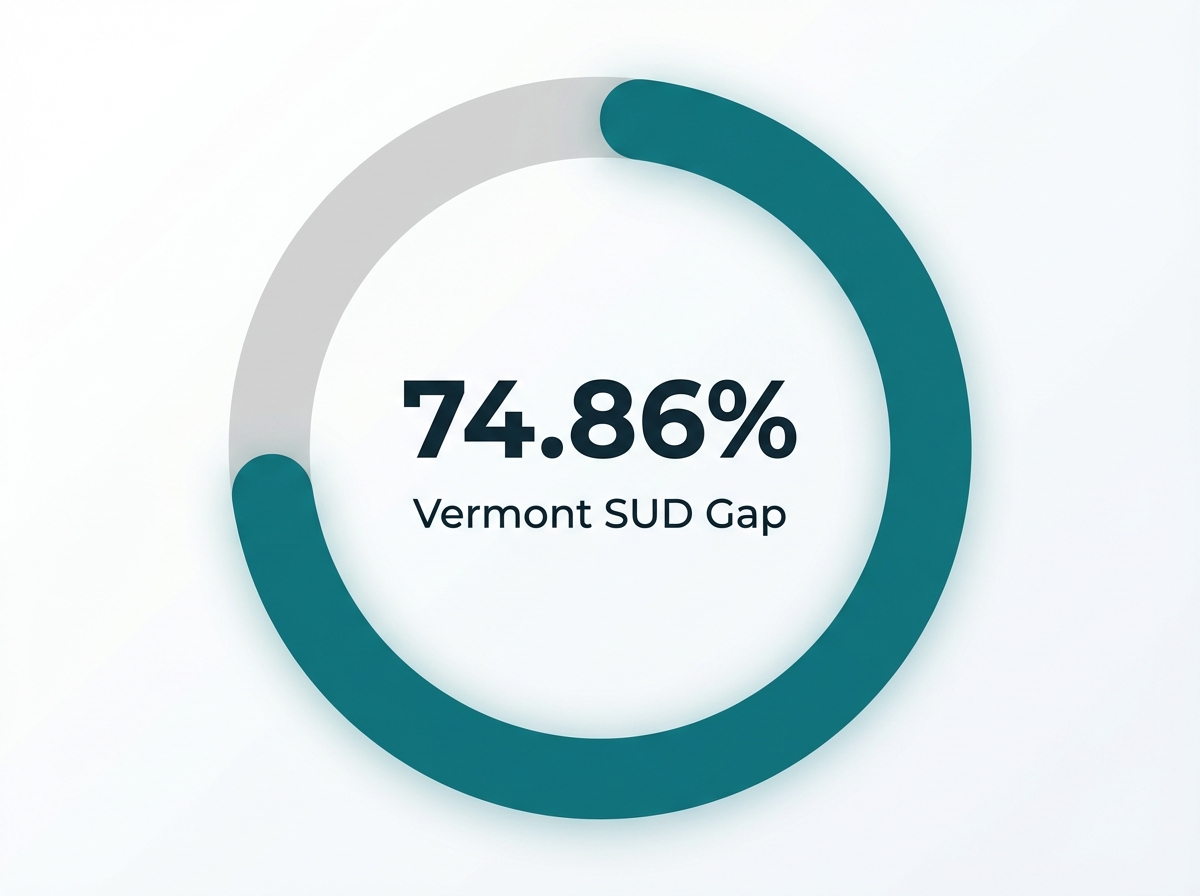
The gap between need and access to substance use treatment in Vermont is striking—nearly three out of four Vermonters who are classified as needing care do not receive it, the highest rate in New England4. This "treatment gap" is especially pronounced among young adults, with only 45% of those diagnosed entering a Vermont drug rehab program, and a mere 17% of them maintaining engagement long-term1. Many point to barriers such as provider shortages, stigma, transportation, and lack of insurance coverage in both Burlington and smaller towns. As these challenges persist, the call for flexible and responsive addiction services—like online rehab and community-based support—grows louder.
Geographic and Access Barriers
Geography shapes every step of accessing Vermont drug rehab services, raising serious hurdles for many living outside urban centers. From Brattleboro’s hills to the remote corners of Essex County, Vermonters face transportation challenges alongside a patchwork of treatment availability. Rural provider shortages are a fact: workforce shortfalls leave areas like the Northeast Kingdom and southern Vermont struggling to meet rising demand for substance use disorder support6. On top of this, nearly one in four residential addresses in the state lacks adequate broadband access, limiting virtual care and telehealth—a growing lifeline for many seeking addiction counseling and co-occurring mental health support8.
Rural Provider Shortages
Rural Vermont faces a deepening shortage of addiction treatment providers, making it difficult for many residents to access Vermont drug rehab services without traveling long distances. Areas like the Northeast Kingdom and southern Vermont experience workforce gaps so significant that waitlists for substance use disorder care are common, and available resources often can’t meet rising demand6. Major cities such as Burlington offer more robust addiction recovery programs, but smaller towns are often left relying on visiting clinicians or periodic mobile services. This unequal distribution means Vermonters outside Chittenden County may go without vital support or face months-long waits.
Broadband Infrastructure Limitations
Internet access can make or break the ability to connect with Vermont drug rehab resources—especially for those relying on telehealth. One in four addresses across Vermont still lacks reliable broadband, and parts of Essex County and the Northeast Kingdom experience some of the lowest connectivity rates in New England8. This digital divide isn’t just a tech problem; it directly limits access to virtual addiction recovery programs, including online SUD counseling and co-occurring mental health support. While cities like Burlington benefit from stronger networks, folks in rural and mountain communities often struggle with unstable connections or low data speeds.
Individuals seeking support for addiction challenges throughout Vermont have access to a comprehensive range of evidence-based therapeutic approaches. The infrastructure includes both residential and ambulatory services designed to meet people at various stages of their recovery journey.
Vermont SUD Treatment Funnel (2016 Cohort) (Illustrates the significant drop-off in treatment engagement for individuals diagnosed with an SUD in 2016. Of those diagnosed, 45% entered treatment, and only 17% of that group (or 7.65% of the total diagnosed) remained in treatment.)
Residential programs provide 24-hour structured care in a therapeutic environment, typically ranging from 28 days to several months. These programs offer intensive support when individuals need a higher level of supervision, combining medical oversight, individual therapy, group counseling, and life skills development. Vermont's residential facilities often incorporate pharmacotherapy for opioid and alcohol dependency, using FDA-approved medications alongside behavioral therapies.
Ambulatory services offer flexibility when people can maintain their daily responsibilities while receiving therapeutic support. Intensive outpatient programs (IOP) typically involve 9-12 hours of therapy per week, while standard non-residential care may include one to two sessions weekly. These programs allow people to apply recovery skills in real-world settings while maintaining employment, education, or family commitments.
Pharmacotherapy has become a cornerstone of this region's approach to treating opioid dependency. Healthcare providers across Vermont prescribe medications like buprenorphine and naltrexone, which reduce cravings and withdrawal symptoms while patients engage in counseling and build recovery skills.
Virtual therapeutic approaches have expanded access to Vermonters in rural areas or individuals facing transportation challenges. Telehealth platforms now deliver individual therapy, group support sessions, and psychiatric consultations to people statewide. These digital solutions have proven particularly valuable when managing co-occurring psychiatric challenges alongside addiction, providing consistent access to integrated services regardless of geographic location.
Vermont's Hub and Spoke Model
Vermont’s Hub and Spoke model stands out as a regional innovation for supporting those in need of substance use disorder recovery. This approach links major regional Hubs in cities like Burlington and Rutland—where addiction medicine specialists provide medication-assisted treatment (MAT)—to Spoke sites across communities, offering ongoing medical monitoring and help for co-occurring mental health needs9. What sets this system apart is its focus on care coordination: individuals can receive intensive support at a Hub, then continue their recovery in their home communities with a local provider or clinic. In practice, this helps more Vermonters remain engaged in treatment close to family or work, contributing to the state’s reputation for integrated SUD care solutions9.
How Medication-Assisted Treatment Works
Medication-assisted treatment (MAT) is central to Vermont's Hub and Spoke approach, blending medications like buprenorphine or methadone with coordinated counseling and support. The process starts with a thorough assessment at a Hub, often in cities such as Burlington or Rutland, where providers determine the safest and most effective treatment plan. The goal is to stabilize withdrawal and cravings, allowing individuals to focus on their recovery journey. MAT is evidence-based and, according to state data, improves engagement and boosts the likelihood that individuals remain connected with Vermont drug rehab services after entering care9.
Community-Based Recovery Support
Community-based recovery support is the backbone of Vermont’s approach to lasting recovery, keeping individuals connected to ongoing help beyond medical treatment alone. Spoke sites—whether in Rutland, St. Albans, or the Upper Valley—offer not just care coordination and medication management, but peer support, navigation to employment resources, and help with daily challenges like transportation and housing9. These regional networks play a huge role in bridging the SUD treatment gap by supporting people as they transition from intensive Vermont drug rehab at Hubs to living in their home communities.
Virtual and Telehealth Solutions
Virtual and telehealth solutions are reshaping how Vermonters access substance use care, especially for those facing long travel times or limited local resources. Faced with nearly 25% of addresses lacking high-speed internet statewide, telehealth has still become a critical alternative for connecting with Vermont drug rehab programs across both rural areas and cities like Burlington8. These online addiction treatment options make it possible to receive counseling, medication management, and co-occurring mental health support from home or any secure location—lifting common barriers tied to stigma and transportation.
Benefits of Remote Treatment Access
Remote access to Vermont drug rehab services offers real advantages for people throughout the Green Mountain State, especially where distance or stigma would otherwise keep them from getting help. For someone living in the Northeast Kingdom or on the outskirts of Rutland, virtual addiction treatment and telemedicine mean connecting with counselors and medical providers without leaving home—often breaking down barriers like unreliable transportation or anxiety about being seen at a local clinic. Research shows that integrating telehealth into substance use disorder care helps maintain engagement, a crucial factor given that nearly 75% of Vermonters in need still do not receive treatment4.
Comprehensive Virtual Care Programs
Comprehensive virtual care programs in Vermont go far beyond basic video chats or messaging—they offer fully coordinated substance use disorder treatment, including ongoing counseling, remote medication management, and co-occurring mental health support. For Vermonters in places like the Champlain Valley or the Northeast Kingdom, this means access to a team of licensed professionals and peer support without ever needing to travel long distances or wait for an in-person slot. Many Vermont drug rehab programs have adapted by building virtual care systems that mirror the in-depth services traditionally provided at physical locations, ensuring individualized recovery plans, check-ins, and crisis response are all just a click away.
Recovery, Made Possible — From Home
Pathfinder Recovery offers in-home addiction and mental health treatment that fits your life — not the other way around. From at-home detox and MAT to virtual IOP and peer support, our licensed clinicians bring evidence-based care to you through secure telehealth.
Check Parity: Confirm your plan covers SUD treatment at the same level as medical/surgical care (mandated by VT law).
Verify Telehealth: Ask if "audio-only" (phone) visits are covered if you lack broadband (VT requires parity reimbursement).
Network Status: Determine if your preferred provider is in-network with Green Mountain Care (Medicaid) or your private insurer.
Pre-Authorization: Ask if prior authorization is needed for residential or intensive outpatient services.
Choosing the right treatment program involves more than comparing therapeutic approaches—it also requires understanding the regulatory and financial landscape that shapes available options. Vermont maintains comprehensive regulations governing addiction services to ensure quality care and protect people seeking recovery. The Department of Health licenses all facilities, requiring providers to meet strict standards for clinical services, staff qualifications, and patient safety protocols. These regulations create a framework that helps people identify legitimate, evidence-based programs while filtering out substandard options.
Insurance coverage for addiction services within Vermont has expanded significantly under state and federal mandates. The Mental Health Parity and Addiction Equity Act requires insurance plans to cover behavioral health services at the same level as medical and surgical benefits. Vermont's own parity law strengthens these protections, ensuring that people cannot face discriminatory limitations on their coverage simply because they're seeking help for addiction rather than physical ailments.
Most Vermont residents access care through private insurance, Medicaid, or Medicare. Green Mountain Care, the Medicaid program, covers a wide range of services including detoxification, residential care, ambulatory counseling, and medications for addiction. Private insurance plans sold statewide must include addiction services as an essential health benefit, though specific coverage details vary by plan.
State Licensing and Certification
Every Vermont drug rehab facility must meet rigorous state licensing and certification requirements, ensuring both safety and quality for those seeking care across the Green Mountain State. Facilities are evaluated on criteria like compliance with ASAM (American Society of Addiction Medicine) levels of care, which determine the intensity of support offered—from outpatient services to more structured residential programs2. Vermont’s Department of Health requires ongoing certification for up to three years at a time, including site visits and proof of continuous quality improvement5.
ASAM Level Standards for Facilities
ASAM level standards are the backbone of Vermont’s approach to substance use disorder treatment facility oversight. Every Vermont drug rehab program must show how it meets the American Society of Addiction Medicine (ASAM) criteria—these standards ensure that the intensity of services matches each person’s clinical needs, ranging from early intervention and outpatient care to medically managed inpatient programs2. State regulators require that staffing, facility capacity, and admission practices align with the designated ASAM level.
Quality Assurance Requirements
Quality assurance is a cornerstone of Vermont drug rehab oversight, giving residents confidence that substance use disorder treatment programs maintain high standards year after year. Vermont’s Department of Health requires all licensed addiction recovery programs to follow a continuous quality improvement process, such as the Plan-Do-Study-Act (PDSA) cycle, to review and enhance their services regularly5. Providers must also undergo onsite reviews and demonstrate ongoing compliance with state SUD Treatment Standards as part of their certification.
Insurance and Financial Assistance
Insurance and financial support play a powerful role in making Vermont drug rehab accessible for people across the state. Nearly 96% of Vermonters have primary health insurance, and Green Mountain Care (Vermont Medicaid) offers broad coverage for evidence-based addiction recovery programs, including virtual treatment and support for co-occurring mental health3. For those who need additional help, many local providers work directly with Medicaid, and state law requires private insurers to treat substance use disorder treatment on par with medical care.
Green Mountain Care Coverage Options
Green Mountain Care, Vermont's Medicaid program, is a leading force in expanding access to substance use disorder treatment statewide. Covering 96% of residents with primary insurance, Green Mountain Care eliminates a major financial barrier for those seeking Vermont drug rehab or addiction recovery programs—whether in Burlington, Rutland, or rural areas3. The program supports a range of evidence-based services: medically necessary outpatient care, residential SUD treatment, medication-assisted therapy, and co-occurring mental health support.
Telehealth Reimbursement Policies
Telehealth reimbursement policies in Vermont are among the most supportive in New England for those seeking substance use disorder treatment online. State regulations require that audio-visual and audio-only telemedicine visits for SUD care, including counseling and co-occurring mental health support, be reimbursed at the same rate as in-person services by both Medicaid and private insurers7. This "parity" means individuals using Vermont drug rehab virtual programs—whether in Burlington, Montpelier, or rural Lamoille County—can access care without worrying that remote options cost more out of pocket.
Choosing Your Vermont Drug Rehab Path
Provider Vetting Questions
Ask these questions before enrolling:
"Do you offer integrated treatment for co-occurring mental health conditions like anxiety or depression?"
"What is your policy on relapse? Do you discharge patients or adjust the treatment plan?"
"Can I access your services via telehealth if I have transportation issues or live in a rural area?"
"Are you in-network with Green Mountain Care or my specific private insurance plan?"
Selecting the right treatment approach requires careful consideration of your unique circumstances and recovery needs. Rather than choosing based solely on program descriptions, focus on key factors that will determine your success in a particular treatment setting.
Start by honestly assessing your current situation. Consider the severity of your substance use—do you experience significant withdrawal symptoms when stopping? Have you tried to quit independently without success? Do you have medical conditions that require monitoring during early recovery? These questions help determine whether you need the medical supervision of inpatient care or can safely begin with outpatient services.
Evaluate your environment and support system. If your living situation includes active substance use or lacks supportive relationships, residential treatment may provide the necessary distance from triggers. Conversely, if you have strong family support and stable housing, outpatient programs allow you to practice recovery skills in your actual daily environment while maintaining those connections.
Examine your practical obligations and resources. Employment, childcare responsibilities, and financial constraints all influence which options remain viable. Some employers offer medical leave for treatment, while others require continued work attendance. Insurance coverage varies significantly between inpatient and outpatient services. Understanding these realities helps you identify sustainable options rather than ideal but impractical ones.
Matching Treatment to Your Needs
Matching treatment to your needs means looking at both what programs offer and what works for your lifestyle, family, and long-term goals. Vermont drug rehab options now range from structured in-person recovery at city Hubs, community-based addiction recovery programs, to virtual solutions that work for people from the Northeast Kingdom to Chittenden County. Each pathway supports different needs—for example, someone balancing work and childcare in Brattleboro might prefer flexible telehealth, while a person needing more intensive support could start at a regional Hub. Research shows that flexibility in programs is key to keeping Vermonters engaged in substance use disorder treatment and reducing the treatment gap statewide4.
Evaluating Program Flexibility
Evaluating program flexibility is a major step for anyone choosing Vermont drug rehab, especially considering how varied daily life and resources can be statewide. Flexible addiction recovery programs—in Burlington or in rural areas like the Northeast Kingdom—are designed to adjust to different schedules, transportation issues, and family demands. For example, some people benefit from hybrid models that combine in-person visits and telehealth sessions, an approach that research links to higher treatment engagement among Vermonters4. Well-structured substance use disorder treatment options also make it easier to adapt as life changes: one week might call for more virtual check-ins, while another might allow for in-person support.
Specialized Care Considerations
Specialized care matters when choosing Vermont drug rehab, because every individual’s needs are shaped by the substances involved, health history, and even local context. For example, Vermont has seen a sharp rise in cocaine and stimulant use—treatment admissions for these substances jumped 53% between 2021 and 2023, requiring recovery programs to adapt their clinical approaches beyond opioid-focused care1. Effective addiction recovery programs now offer support for co-occurring mental health challenges, trauma, and age-specific needs, helping young adults, older Vermonters, and those with dual diagnoses get tailored support.
Starting Treatment Without Delay
Starting treatment without delay is critical for Vermonters, given that nearly 75% of those classified as needing substance use disorder care still aren't receiving it—a rate higher than any other New England state4. For many in the Green Mountains, hesitation isn’t the only obstacle: workforce shortages and rural access issues can create long waits for traditional Vermont drug rehab. However, new pathways—including virtual addiction recovery programs and flexible telehealth services—allow individuals to bypass many historic delays and engage in substance use disorder treatment from home or their local community8.
Overcoming Common Barriers
Many Vermonters face familiar obstacles when starting substance use disorder care—workforce shortages, rural distances, financial concerns, and the stigma that surrounds addiction recovery programs. Between transportation issues in places like the Northeast Kingdom and waitlists in Chittenden County, these barriers often discourage people just as they’re ready for help6. For nearly 75% of those classified as needing Vermont drug rehab, these hurdles are part of why support remains out of reach4. Flexible approaches, like virtual addiction treatment and online counseling, now help people bypass these roadblocks by making substance use disorder treatment more accessible even with limited local resources or internet connectivity8.
Immediate Access Through Virtual Care
Immediate access through virtual care is transforming what it means to start Vermont drug rehab without delay. Many programs now offer same-day or next-day intake assessments by phone or video, allowing individuals across the state – from Burlington’s city center to remote stretches of the Northeast Kingdom – to connect with substance use disorder treatment advisors right when motivation strikes. Thanks to Vermont’s telehealth parity laws, audio-only and online sessions are reimbursed at the same rate as in-person care, ensuring that people can pursue addiction recovery programs even if they lack stable broadband8.
Frequently Asked Questions
Navigating addiction recovery services can raise many questions. Here are answers to some of the most common concerns about getting help in Vermont.
What types of programs are available in Vermont?
Vermont offers a comprehensive range of recovery services, including inpatient residential facilities, partial hospitalization programs (PHP), intensive outpatient services (IOP), standard counseling sessions, and medication-based therapy (MAT). The state's Alcohol and Drug Abuse Programs division coordinates services statewide, while Green Mountain Care provides coverage for many Vermonters. The appropriate level of support depends on individual circumstances, severity of addiction, and personal recovery needs.
How can I access treatment in rural Vermont areas?
Vermont has developed specialized solutions for rural communities where facilities may be limited. The state's robust telehealth infrastructure allows Vermonters in remote areas to access counseling, medication management, and support groups through secure video platforms. Many regional hubs like Rutland Regional Medical Center and Northeastern Vermont Regional Hospital serve surrounding rural communities. Additionally, Vermont's Hub and Spoke model places medication-assisted treatment providers throughout the state, including in smaller communities, making evidence-based care accessible regardless of location.
Does insurance cover addiction recovery services?
Most insurance plans throughout Vermont cover addiction therapy as an essential health benefit. Green Mountain Care (Vermont's Medicaid program) provides comprehensive coverage for addiction services, including residential treatment, outpatient counseling, and medication-assisted treatment. Private insurance plans must also cover substance use disorder treatment under Vermont law. Recovery centers typically offer assistance with insurance verification to help determine coverage details.
What makes Vermont's approach to opioid addiction different?
Vermont pioneered the Hub and Spoke model, which has become nationally recognized for its effectiveness. This system connects specialized opioid treatment programs (Hubs) with primary care providers throughout the state (Spokes), making medication-assisted treatment with buprenorphine widely available. This integrated approach allows individuals to receive addiction treatment alongside regular healthcare, reducing stigma and improving access, particularly in rural communities where specialized facilities may be limited.
Can I receive help for both addiction and behavioral health concerns?
Yes, many Vermont facilities offer integrated support for co-occurring disorders. The state emphasizes treating substance use disorders alongside mental health conditions, recognizing that comprehensive care improves outcomes. Vermont's Alcohol and Drug Abuse Programs division coordinates with mental health services to ensure individuals receive appropriate dual diagnosis treatment through specialized therapy that addresses both concerns simultaneously.
What if I relapse after completing a program?
Relapse can be part of the recovery process and doesn't mean therapy has failed. Many Vermont facilities offer continuing support services, alumni networks, and readmission options. The state's recovery-oriented approach recognizes that sustained recovery often requires multiple episodes of care. The important step is reaching out for help again—whether through your original provider, the Vermont Care Partners network, or the state's helpline—to reconnect with recovery resources and get back on track.
Does Pathfinder provide virtual treatment to all areas of Vermont?
Yes, Pathfinder offers virtual treatment services for individuals in recovery everywhere in Vermont—from Burlington and South Burlington to the smallest towns in Essex County and the Northeast Kingdom. Because care is delivered completely via telehealth, Vermonters statewide can access substance use disorder treatment and support for co-occurring mental health needs from home or a secure location. This model helps bridge regional gaps where traditional Vermont drug rehab services may be limited, especially in rural or underserved areas. However, readers should know that reliable internet or phone access is still needed for remote appointments, which may be a challenge for the 25% of Vermont addresses lacking adequate broadband coverage8. Pathfinder’s fully virtual approach supports individuals facing unique access barriers while meeting all state regulatory standards for addiction recovery programs.
Can family members participate in my treatment in Vermont?
Yes, family involvement is encouraged in many Vermont drug rehab programs and can be a key part of sustained recovery. Whether receiving virtual or in-person substance use disorder treatment, you have the right to invite family members or loved ones to participate in therapy sessions, educational workshops, or support meetings—if and when you feel comfortable. Vermont’s approach to addiction recovery programs acknowledges that positive family support can improve engagement, reduce stigma, and help address barriers unique to each household. For example, telehealth-based treatment allows family participation through secure video or phone sessions, so relatives in different locations can join in. Providers must follow privacy laws, so your consent is always needed before anyone is included. This flexibility gives Vermonters from Burlington to rural mountain towns the opportunity to build a supportive network as part of their recovery journey2.
What if I need treatment for cocaine or stimulant use in Vermont?
If you need treatment for cocaine or stimulant use in Vermont, you’re far from alone—treatment admissions for these substances surged 53% between 2021 and 2023, showing a major shift in the state’s substance use landscape1. Vermont drug rehab programs are adapting by offering specialized substance use disorder treatment and addiction recovery programs that address stimulant use as well as co-occurring mental health needs. Whether you live in Burlington, Rutland, or a rural town, you can find virtual and in-person care designed for stimulant recovery, often including targeted counseling, peer support, and ongoing monitoring. Readers might be wondering if their insurance or Medicaid covers this care: Green Mountain Care and most Vermont plans include both in-person and virtual options for stimulant treatment. Seeking help promptly gives you access to experienced providers who understand the unique challenges of stimulant recovery—no matter where you are in Vermont.
Are virtual SUD treatment providers in Vermont licensed and regulated?
Yes, virtual substance use disorder (SUD) treatment providers in Vermont are required to be fully licensed and regulated by the state Department of Health. Whether delivering care through video or phone, these addiction recovery programs must meet the same certification and quality assurance standards as in-person facilities—including ongoing site reviews, compliance with clinical benchmarks like the ASAM criteria, and continuous improvement processes25. Virtual Vermont drug rehab options are evaluated for their capacity to provide safe, evidence-based substance use disorder treatment and must maintain state-approved protocols for privacy, safety, and care quality. These regulations help Vermonters trust that online addiction recovery programs and remote SUD services meet the high bar set for in-state providers, supporting both accessibility and consistent treatment outcomes across urban and rural regions.
What support is available if I'm unemployed and seeking treatment in Vermont?
If you’re unemployed and seeking Vermont drug rehab, you still have strong options for getting help—employment status doesn’t prevent you from accessing treatment. Most Vermonters (about 96%) have primary health insurance, and the state’s Green Mountain Care (Medicaid) covers a full range of substance use disorder treatment and addiction recovery programs, including both in-person and virtual options3. For those facing workforce or financial barriers, community organizations and local peer support networks can help connect you with eligibility guidance, job search resources, and additional wraparound assistance6. In fact, Vermont recently expanded employment support programs focused on individuals in recovery, recognizing that about 60% of people in opioid use disorder treatment are unemployed1. Providers will work with you to navigate coverage, coordinate care, and help overcome obstacles as you pursue recovery.
How does virtual care work if I have ADHD or other neurodivergent needs?
Virtual care options for Vermont drug rehab are well-suited to support individuals with ADHD and other neurodivergent needs. Providers in the state recognize that routines and attention spans may work differently—so telehealth programs often offer flexible scheduling, shorter appointment formats, and tools like secure messaging or checklists to help participants stay on track. Many addiction recovery programs tailor their substance use disorder treatment to include accommodations such as visual aids, reminders, or clear written summaries. Audio-only sessions are also available if video feels overwhelming, which is backed by Vermont’s telehealth parity laws ensuring audio and video visits are reimbursed at the same rate as in-person care7. Co-occurring mental health support, available in tandem with SUD services, can address both substance use and focus or executive functioning challenges for neurodivergent Vermonters. You can discuss your needs openly during intake so your recovery team can adjust their approach, making virtual rehab more accessible and comfortable no matter where you live.
What if I live in a rural area of Vermont with limited internet access?
Living in a rural part of Vermont with spotty internet doesn’t mean you’re out of options for substance use disorder treatment. State telehealth policies require that audio-only sessions (by phone) are reimbursed at the same rate as video visits, so you can still receive Vermont drug rehab services, counseling, and support for addiction recovery programs even without reliable broadband8. Many virtual providers—including those offering substance use disorder treatment and co-occurring mental health support—work closely with you to schedule flexible phone-based appointments. If you experience challenges with cell or landline service, seeking out community resources in your area, like libraries or local clinics, may provide a secure spot for virtual visits. The state’s ongoing push to close the digital divide means rural Vermonters are increasingly able to access both remote and traditional SUD support, ensuring help is available wherever you live.
Will my employer or colleagues find out if I seek virtual treatment in Vermont?
Virtual addiction treatment and substance use disorder care in Vermont are protected by strict privacy and confidentiality laws. Under both state and federal regulations (including HIPAA), your participation in a Vermont drug rehab program—whether online or in-person—cannot be disclosed to your employer or colleagues without your explicit written consent. Providers of addiction recovery programs and substance use disorder treatment must safeguard your personal health information, so workplace disclosure only happens if you choose to share that information. Many Vermonters seek virtual care specifically because it offers increased privacy and reduces the chance of being recognized at a local clinic. Confidentiality standards apply no matter where you live in the state or how you access care.
How quickly can I start treatment in Vermont if I'm ready now?
If you’re ready to start Vermont drug rehab now, you have options for near-immediate access—often same-day or within just a few days, especially through virtual care providers. Many addiction recovery programs in cities like Burlington and across rural Vermont offer phone or online intake assessments right away, letting you begin substance use disorder treatment without months-long waitlists. Thanks to state telehealth parity and insurance coverage rules, virtual SUD treatment and co-occurring mental health support are available quickly for those living anywhere in the Green Mountain State8. While rural provider shortages can slow in-person starts, virtual telehealth has helped many Vermonters overcome those barriers, so you can get support at the moment you’re ready. Programs are designed for easy onboarding, with quick paperwork and straightforward steps so treatment can begin as soon as possible.
Does Green Mountain Care or Vermont Medicaid cover virtual substance use disorder treatment?
Yes, Green Mountain Care (Vermont Medicaid) fully covers virtual substance use disorder treatment, including audio-visual and audio-only telehealth sessions. State law requires Medicaid to reimburse these virtual Vermont drug rehab services at the same rate as in-person visits—so individuals can access counseling, medication management, and support for co-occurring mental health from home or a secure location7. This parity policy protects both urban and rural residents, making addiction recovery programs and substance use disorder treatment accessible across Vermont, even for those with limited broadband. Thanks to these regulations, many people throughout the state—whether in Burlington, Montpelier, or the Northeast Kingdom—can receive affordable, flexible virtual care with their Medicaid benefits.
Can I receive medication-assisted treatment through telehealth in Vermont?
Yes, you can receive medication-assisted treatment (MAT) through telehealth in Vermont, including services like buprenorphine or methadone when prescribed by a qualified addiction medicine provider. Vermont’s telehealth laws require that audio-visual and audio-only visits for substance use disorder treatment, including MAT, are reimbursed at the same rate as in-person care—making it possible for individuals in Burlington, the Champlain Valley, or rural areas to maintain medication support and counseling without traveling long distances7. MAT is a core part of many Vermont drug rehab programs, allowing you to manage withdrawal symptoms and cravings while receiving remote counseling and check-ins. Providers coordinate care to ensure safety and compliance, supporting ongoing recovery even when you can’t access a physical clinic. This approach helps remove barriers and gives more Vermonters access to evidence-based addiction recovery programs that include medication as part of a broader treatment plan.
What happens if I've tried traditional rehab in Vermont before and relapsed?
Relapsing after traditional rehab in Vermont is more common than most people realize—and it’s not a sign of failure. Studies reveal that only about 17% of Vermonters who start substance use disorder treatment remain engaged over the long term, highlighting how challenging ongoing recovery can be across the state1. If you’ve experienced a return to use, you’re not alone: Vermont drug rehab programs increasingly offer individualized care to help address the unique triggers, stressors, and life changes that can follow a relapse. Fresh approaches—like virtual addiction recovery programs and new forms of counseling—give you additional flexibility and support, whether you live in Chittenden County or the Northeast Kingdom. Many find that trying different formats, connecting with peer support, or exploring co-occurring mental health care makes re-engagement more effective the next time. Recovery is a journey, and Vermont’s treatment landscape encourages new attempts and ongoing hope for everyone seeking lasting change.
Does Pathfinder offer mental health treatment for co-occurring disorders in Vermont?
Pathfinder specializes in providing mental health support for co-occurring disorders as part of its substance use disorder (SUD) treatment programs for individuals in recovery in Vermont. While Pathfinder does not offer stand-alone primary mental healthcare, their approach addresses mental health needs—such as anxiety, depression, or trauma—when these appear alongside substance use concerns. This model ensures that Vermonters can access coordinated, person-centered care for both SUD and co-occurring mental health challenges via secure telehealth, making it accessible from anywhere in the state—including the Champlain Valley and more rural areas. Vermont drug rehab programs have found that addressing co-occurring conditions in a unified way helps more people stay engaged in recovery and reduces the treatment gap that persists statewide4. If you’re looking for integrated addiction and mental health recovery support, Pathfinder’s virtual services meet Vermont’s regulatory standards and are covered by most insurance plans, including Medicaid.
How does virtual treatment compare to Vermont's Hub and Spoke model?
Virtual treatment and Vermont's Hub and Spoke model both support recovery, but each takes a different approach. The Hub and Spoke system connects individuals to in-person care at regional Hubs—with ongoing medication and counseling available at local Spoke sites—helping residents in Burlington, Rutland, and across the state engage in structured pathways to recovery9. Virtual Vermont drug rehab programs, on the other hand, allow people to access substance use disorder treatment, remote medication management, and support for co-occurring mental health needs from anywhere with a phone or internet connection8. Both options use evidence-based care, but virtual programs can be a lifeline for Vermonters facing transportation, privacy, or rural access barriers. Research shows virtual care keeps more people connected to addiction recovery programs, especially where traditional services fall short. Choosing between them depends on personal needs, technology access, and whether flexibility or community-based supports matter most for your recovery.
No items found.
{"@context":"https://schema.org","@type":"FAQPage","mainEntity":[{"@type":"Question","name":"Does Pathfinder provide virtual treatment to all areas of Vermont?","acceptedAnswer":{"@type":"Answer","text":"Yes, Pathfinder offers virtual treatment services for individuals in recovery everywhere in Vermont\u2014from Burlington and South Burlington to the smallest towns in Essex County and the Northeast Kingdom. Because care is delivered completely via telehealth, Vermonters statewide can access substance use disorder treatment and support for co-occurring mental health needs from home or a secure location. This model helps bridge regional gaps where traditional Vermont drug rehab services may be limited, especially in rural or underserved areas. However, readers should know that reliable internet or phone access is still needed for remote appointments, which may be a challenge for the 25% of Vermont addresses lacking adequate broadband coverage. Pathfinder\u2019s fully virtual approach supports individuals facing unique access barriers while meeting all state regulatory standards for addiction recovery programs."}},{"@type":"Question","name":"What if I live in a rural area of Vermont with limited internet access?","acceptedAnswer":{"@type":"Answer","text":"Living in a rural part of Vermont with spotty internet doesn\u2019t mean you\u2019re out of options for substance use disorder treatment. State telehealth policies require that audio-only sessions (by phone) are reimbursed at the same rate as video visits, so you can still receive Vermont drug rehab services, counseling, and support for addiction recovery programs even without reliable broadband. Many virtual providers\u2014including those offering substance use disorder treatment and co-occurring mental health support\u2014work closely with you to schedule flexible phone-based appointments. If you experience challenges with cell or landline service, seeking out community resources in your area, like libraries or local clinics, may provide a secure spot for virtual visits. The state\u2019s ongoing push to close the digital divide means rural Vermonters are increasingly able to access both remote and traditional SUD support, ensuring help is available wherever you live."}},{"@type":"Question","name":"Will my employer or colleagues find out if I seek virtual treatment in Vermont?","acceptedAnswer":{"@type":"Answer","text":"Virtual addiction treatment and substance use disorder care in Vermont are protected by strict privacy and confidentiality laws. Under both state and federal regulations (including HIPAA), your participation in a Vermont drug rehab program\u2014whether online or in-person\u2014cannot be disclosed to your employer or colleagues without your explicit written consent. Providers of addiction recovery programs and substance use disorder treatment must safeguard your personal health information, so workplace disclosure only happens if you choose to share that information. Many Vermonters seek virtual care specifically because it offers increased privacy and reduces the chance of being recognized at a local clinic. Confidentiality standards apply no matter where you live in the state or how you access care."}},{"@type":"Question","name":"How quickly can I start treatment in Vermont if I'm ready now?","acceptedAnswer":{"@type":"Answer","text":"If you\u2019re ready to start Vermont drug rehab now, you have options for near-immediate access\u2014often same-day or within just a few days, especially through virtual care providers. Many addiction recovery programs in cities like Burlington and across rural Vermont offer phone or online intake assessments right away, letting you begin substance use disorder treatment without months-long waitlists. Thanks to state telehealth parity and insurance coverage rules, virtual SUD treatment and co-occurring mental health support are available quickly for those living anywhere in the Green Mountain State. While rural provider shortages can slow in-person starts, virtual telehealth has helped many Vermonters overcome those barriers, so you can get support at the moment you\u2019re ready. Programs are designed for easy onboarding, with quick paperwork and straightforward steps so treatment can begin as soon as possible."}},{"@type":"Question","name":"Does Green Mountain Care or Vermont Medicaid cover virtual substance use disorder treatment?","acceptedAnswer":{"@type":"Answer","text":"Yes, Green Mountain Care (Vermont Medicaid) fully covers virtual substance use disorder treatment, including audio-visual and audio-only telehealth sessions. State law requires Medicaid to reimburse these virtual Vermont drug rehab services at the same rate as in-person visits\u2014so individuals can access counseling, medication management, and support for co-occurring mental health from home or a secure location. This parity policy protects both urban and rural residents, making addiction recovery programs and substance use disorder treatment accessible across Vermont, even for those with limited broadband. Thanks to these regulations, many people throughout the state\u2014whether in Burlington, Montpelier, or the Northeast Kingdom\u2014can receive affordable, flexible virtual care with their Medicaid benefits."}},{"@type":"Question","name":"Can I receive medication-assisted treatment through telehealth in Vermont?","acceptedAnswer":{"@type":"Answer","text":"Yes, you can receive medication-assisted treatment (MAT) through telehealth in Vermont, including services like buprenorphine or methadone when prescribed by a qualified addiction medicine provider. Vermont\u2019s telehealth laws require that audio-visual and audio-only visits for substance use disorder treatment, including MAT, are reimbursed at the same rate as in-person care\u2014making it possible for individuals in Burlington, the Champlain Valley, or rural areas to maintain medication support and counseling without traveling long distances. MAT is a core part of many Vermont drug rehab programs, allowing you to manage withdrawal symptoms and cravings while receiving remote counseling and check-ins. Providers coordinate care to ensure safety and compliance, supporting ongoing recovery even when you can\u2019t access a physical clinic. This approach helps remove barriers and gives more Vermonters access to evidence-based addiction recovery programs that include medication as part of a broader treatment plan."}},{"@type":"Question","name":"What happens if I've tried traditional rehab in Vermont before and relapsed?","acceptedAnswer":{"@type":"Answer","text":"Relapsing after traditional rehab in Vermont is more common than most people realize\u2014and it\u2019s not a sign of failure. Studies reveal that only about 17% of Vermonters who start substance use disorder treatment remain engaged over the long term, highlighting how challenging ongoing recovery can be across the state. If you\u2019ve experienced a return to use, you\u2019re not alone: Vermont drug rehab programs increasingly offer individualized care to help address the unique triggers, stressors, and life changes that can follow a relapse. Fresh approaches\u2014like virtual addiction recovery programs and new forms of counseling\u2014give you additional flexibility and support, whether you live in Chittenden County or the Northeast Kingdom. Many find that trying different formats, connecting with peer support, or exploring co-occurring mental health care makes re-engagement more effective the next time. Recovery is a journey, and Vermont\u2019s treatment landscape encourages new attempts and ongoing hope for everyone seeking lasting change."}},{"@type":"Question","name":"Does Pathfinder offer mental health treatment for co-occurring disorders in Vermont?","acceptedAnswer":{"@type":"Answer","text":"Pathfinder specializes in providing mental health support for co-occurring disorders as part of its substance use disorder (SUD) treatment programs for individuals in recovery in Vermont. While Pathfinder does not offer stand-alone primary mental healthcare, their approach addresses mental health needs\u2014such as anxiety, depression, or trauma\u2014when these appear alongside substance use concerns. This model ensures that Vermonters can access coordinated, person-centered care for both SUD and co-occurring mental health challenges via secure telehealth, making it accessible from anywhere in the state\u2014including the Champlain Valley and more rural areas. Vermont drug rehab programs have found that addressing co-occurring conditions in a unified way helps more people stay engaged in recovery and reduces the treatment gap that persists statewide. If you\u2019re looking for integrated addiction and mental health recovery support, Pathfinder\u2019s virtual services meet Vermont\u2019s regulatory standards and are covered by most insurance plans, including Medicaid."}},{"@type":"Question","name":"How does virtual treatment compare to Vermont's Hub and Spoke model?","acceptedAnswer":{"@type":"Answer","text":"Virtual treatment and Vermont's Hub and Spoke model both support recovery, but each takes a different approach. The Hub and Spoke system connects individuals to in-person care at regional Hubs\u2014with ongoing medication and counseling available at local Spoke sites\u2014helping residents in Burlington, Rutland, and across the state engage in structured pathways to recovery. Virtual Vermont drug rehab programs, on the other hand, allow people to access substance use disorder treatment, remote medication management, and support for co-occurring mental health needs from anywhere with a phone or internet connection. Both options use evidence-based care, but virtual programs can be a lifeline for Vermonters facing transportation, privacy, or rural access barriers. Research shows virtual care keeps more people connected to addiction recovery programs, especially where traditional services fall short. Choosing between them depends on personal needs, technology access, and whether flexibility or community-based supports matter most for your recovery."}},{"@type":"Question","name":"Can family members participate in my treatment in Vermont?","acceptedAnswer":{"@type":"Answer","text":"Yes, family involvement is encouraged in many Vermont drug rehab programs and can be a key part of sustained recovery. Whether receiving virtual or in-person substance use disorder treatment, you have the right to invite family members or loved ones to participate in therapy sessions, educational workshops, or support meetings\u2014if and when you feel comfortable. Vermont\u2019s approach to addiction recovery programs acknowledges that positive family support can improve engagement, reduce stigma, and help address barriers unique to each household. For example, telehealth-based treatment allows family participation through secure video or phone sessions, so relatives in different locations can join in. Providers must follow privacy laws, so your consent is always needed before anyone is included. This flexibility gives Vermonters from Burlington to rural mountain towns the opportunity to build a supportive network as part of their recovery journey."}},{"@type":"Question","name":"What if I need treatment for cocaine or stimulant use in Vermont?","acceptedAnswer":{"@type":"Answer","text":"If you need treatment for cocaine or stimulant use in Vermont, you\u2019re far from alone\u2014treatment admissions for these substances surged 53% between 2021 and 2023, showing a major shift in the state\u2019s substance use landscape. Vermont drug rehab programs are adapting by offering specialized substance use disorder treatment and addiction recovery programs that address stimulant use as well as co-occurring mental health needs. Whether you live in Burlington, Rutland, or a rural town, you can find virtual and in-person care designed for stimulant recovery, often including targeted counseling, peer support, and ongoing monitoring. Readers might be wondering if their insurance or Medicaid covers this care: Green Mountain Care and most Vermont plans include both in-person and virtual options for stimulant treatment. Seeking help promptly gives you access to experienced providers who understand the unique challenges of stimulant recovery\u2014no matter where you are in Vermont."}},{"@type":"Question","name":"Are virtual SUD treatment providers in Vermont licensed and regulated?","acceptedAnswer":{"@type":"Answer","text":"Yes, virtual substance use disorder (SUD) treatment providers in Vermont are required to be fully licensed and regulated by the state Department of Health. Whether delivering care through video or phone, these addiction recovery programs must meet the same certification and quality assurance standards as in-person facilities\u2014including ongoing site reviews, compliance with clinical benchmarks like the ASAM criteria, and continuous improvement processes. Virtual Vermont drug rehab options are evaluated for their capacity to provide safe, evidence-based substance use disorder treatment and must maintain state-approved protocols for privacy, safety, and care quality. These regulations help Vermonters trust that online addiction recovery programs and remote SUD services meet the high bar set for in-state providers, supporting both accessibility and consistent treatment outcomes across urban and rural regions."}},{"@type":"Question","name":"What support is available if I'm unemployed and seeking treatment in Vermont?","acceptedAnswer":{"@type":"Answer","text":"If you\u2019re unemployed and seeking Vermont drug rehab, you still have strong options for getting help\u2014employment status doesn\u2019t prevent you from accessing treatment. Most Vermonters (about 96%) have primary health insurance, and the state\u2019s Green Mountain Care (Medicaid) covers a full range of substance use disorder treatment and addiction recovery programs, including both in-person and virtual options. For those facing workforce or financial barriers, community organizations and local peer support networks can help connect you with eligibility guidance, job search resources, and additional wraparound assistance. In fact, Vermont recently expanded employment support programs focused on individuals in recovery, recognizing that about 60% of people in opioid use disorder treatment are unemployed. Providers will work with you to navigate coverage, coordinate care, and help overcome obstacles as you pursue recovery."}},{"@type":"Question","name":"How does virtual care work if I have ADHD or other neurodivergent needs?","acceptedAnswer":{"@type":"Answer","text":"Virtual care options for Vermont drug rehab are well-suited to support individuals with ADHD and other neurodivergent needs. Providers in the state recognize that routines and attention spans may work differently\u2014so telehealth programs often offer flexible scheduling, shorter appointment formats, and tools like secure messaging or checklists to help participants stay on track. Many addiction recovery programs tailor their substance use disorder treatment to include accommodations such as visual aids, reminders, or clear written summaries. Audio-only sessions are also available if video feels overwhelming, which is backed by Vermont\u2019s telehealth parity laws ensuring audio and video visits are reimbursed at the same rate as in-person care. Co-occurring mental health support, available in tandem with SUD services, can address both substance use and focus or executive functioning challenges for neurodivergent Vermonters. You can discuss your needs openly during intake so your recovery team can adjust their approach, making virtual rehab more accessible and comfortable no matter where you live."}},{"@type":"Question","name":"What types of programs are available in Vermont?","acceptedAnswer":{"@type":"Answer","text":"Vermont offers a comprehensive range of recovery services, including inpatient residential facilities, partial hospitalization programs (PHP), intensive outpatient services (IOP), standard counseling sessions, and medication-based therapy (MAT). The state's Alcohol and Drug Abuse Programs division coordinates services statewide, while Green Mountain Care provides coverage for many Vermonters. The appropriate level of support depends on individual circumstances, severity of addiction, and personal recovery needs."}},{"@type":"Question","name":"How can I access treatment in rural Vermont areas?","acceptedAnswer":{"@type":"Answer","text":"Vermont has developed specialized solutions for rural communities where facilities may be limited. The state's robust telehealth infrastructure allows Vermonters in remote areas to access counseling, medication management, and support groups through secure video platforms. Many regional hubs like Rutland Regional Medical Center and Northeastern Vermont Regional Hospital serve surrounding rural communities. Additionally, Vermont's Hub and Spoke model places medication-assisted treatment providers throughout the state, including in smaller communities, making evidence-based care accessible regardless of location."}},{"@type":"Question","name":"Does insurance cover addiction recovery services?","acceptedAnswer":{"@type":"Answer","text":"Most insurance plans throughout Vermont cover addiction therapy as an essential health benefit. Green Mountain Care (Vermont's Medicaid program) provides comprehensive coverage for addiction services, including residential treatment, outpatient counseling, and medication-assisted treatment. Private insurance plans must also cover substance use disorder treatment under Vermont law. Recovery centers typically offer assistance with insurance verification to help determine coverage details."}},{"@type":"Question","name":"What makes Vermont's approach to opioid addiction different?","acceptedAnswer":{"@type":"Answer","text":"Vermont pioneered the Hub and Spoke model, which has become nationally recognized for its effectiveness. This system connects specialized opioid treatment programs (Hubs) with primary care providers throughout the state (Spokes), making medication-assisted treatment with buprenorphine widely available. This integrated approach allows individuals to receive addiction treatment alongside regular healthcare, reducing stigma and improving access, particularly in rural communities where specialized facilities may be limited."}},{"@type":"Question","name":"Can I receive help for both addiction and behavioral health concerns?","acceptedAnswer":{"@type":"Answer","text":"Yes, many Vermont facilities offer integrated support for co-occurring disorders. The state emphasizes treating substance use disorders alongside mental health conditions, recognizing that comprehensive care improves outcomes. Vermont's Alcohol and Drug Abuse Programs division coordinates with mental health services to ensure individuals receive appropriate dual diagnosis treatment through specialized therapy that addresses both concerns simultaneously."}},{"@type":"Question","name":"What if I relapse after completing a program?","acceptedAnswer":{"@type":"Answer","text":"Relapse can be part of the recovery process and doesn't mean therapy has failed. Many Vermont facilities offer continuing support services, alumni networks, and readmission options. The state's recovery-oriented approach recognizes that sustained recovery often requires multiple episodes of care. The important step is reaching out for help again\u2014whether through your original provider, the Vermont Care Partners network, or the state's helpline\u2014to reconnect with recovery resources and get back on track."}}]}
Conclusion
Recovery from addiction is a deeply personal journey, and finding the right support system can make all the difference. Whether someone is just beginning to explore care pathways or seeking additional support alongside existing services, understanding the available resources is an essential first step toward lasting change.
Vermont's addiction treatment landscape offers a comprehensive continuum of care, from medically supervised detoxification and residential programs to outpatient services and peer support networks. The state's commitment to accessible, evidence-based treatment means that Vermonters facing substance use challenges have multiple pathways to recovery, each designed to meet different needs and circumstances.
Throughout this guide, several key themes emerge for those seeking treatment in Vermont. Geographic accessibility varies significantly between urban centers and rural communities, making it important to explore all available options including local providers, regional facilities, and telehealth services. Financial considerations matter, but Vermont's Medicaid expansion, private insurance protections, and sliding-scale programs ensure that cost need not be an insurmountable barrier. Perhaps most importantly, treatment approaches have evolved to recognize that effective recovery often addresses co-occurring mental health conditions, family dynamics, and the social determinants of health.
For Vermonters navigating substance use challenges, the state's network of treatment providers, recovery centers, peer support organizations, and community resources creates a foundation for healing. Whether someone benefits most from the structure of residential treatment, the flexibility of outpatient care, the ongoing support of recovery coaching, or a combination of approaches, Vermont's treatment community stands ready to help.
The decision to seek help is rarely easy, but it's always worth taking. Recovery is possible, and the right support system can provide the guidance, tools, and encouragement needed to move forward. Whether someone is exploring options for themselves or supporting a loved one, taking time to research Vermont's available resources and understand different therapeutic approaches is an investment in a healthier, more fulfilling future.
Pathfinder Recovery offers in-home addiction and mental health treatment that fits your life — not the other way around.From at-home detox and MAT to virtual IOP and peer support, our licensed clinicians bring evidence-based care to you through secure telehealth.
The Pathfinder Recovery App and Smart Ring keep your care team connected to your progress between sessions — monitoring sleep, stress, and recovery milestones in real time.It’s proactive, private, and personalized — so support is always within reach.
Pathfinder Recovery’s Virtual Recovery Center redefines access to addiction recovery and mental health care with secure, personalized online support designed to fit your life.