
Recognizing 7-OH Dangers on the Brain & Body
Learn how to identify the risks of 7-OH products and protect yourself from serious side effects like sedation, seizures, and respiratory issues.

January 6, 2026


Written and reviewed by the leadership team at Pathfinder Recovery, including licensed medical and clinical professionals with over 30 years of experience in addiction and mental health care.
Many people are surprised to learn that kratom addiction is a physiological reality, not just a bad habit. Kratom interacts with the brain's opioid receptors, particularly the mu-opioid receptors that regulate pain, mood, and reward. The plant's primary alkaloids—mitragynine and 7-hydroxymitragynine—bind to these identical receptors that respond to prescription opioids and heroin, triggering the release of dopamine and creating feelings of euphoria and pain relief.
At lower doses, kratom acts as a stimulant by affecting norepinephrine and serotonin systems, increasing alertness and energy. Higher doses produce sedative and opioid-like effects, slowing breathing and heart rate while reducing pain perception. This dual-action mechanism makes kratom particularly deceptive—people often believe they're using a harmless herbal supplement when they're actually engaging their brain's addiction pathways.
Regular consumption of this substance fundamentally changes brain chemistry. The brain adapts to the constant presence of kratom's alkaloids by reducing natural opioid receptor sensitivity and decreasing natural dopamine production. This neuroadaptation creates tolerance, meaning people need increasingly larger amounts to achieve equivalent effects. The brain essentially becomes dependent on kratom to maintain normal functioning.
"The myth that kratom is non-addictive stems from its legal status and natural origin, not scientific evidence. The reality is that this botanical activates nearly identical neurological mechanisms as other opioids, creating genuine addiction risk."
Research published in the journal Addiction Biology demonstrates that this plant produces physical dependence similar to traditional opioids. Neuroimaging studies show that chronic consumption alters the prefrontal cortex—the brain region responsible for decision-making, impulse control, and judgment. These changes can persist long after someone stops taking the substance, affecting cognitive function and emotional regulation.
To visualize how kratom hijacks the brain’s opioid receptors, use this quick “Receptor Response Checklist”:
These signs reveal how kratom’s main compounds interact with the same brain receptors targeted by prescription opioids. By partially activating mu-opioid receptors, these alkaloids produce pain relief and euphoria, but also set the stage for dependence and opioid-like withdrawal symptoms. Research confirms that this neurochemical hijacking underpins the risk for kratom addiction and explains why withdrawal can be severe.1,2
Understanding the science behind mitragynine—the main alkaloid in kratom—starts with a quick "Mitragynine Action Checklist":
If so, mitragynine is likely at work on your brain’s opioid system. Studies show that mitragynine acts as a partial agonist at mu-opioid receptors, meaning it activates them, but not as strongly as drugs like morphine. This unique interaction still creates the risk for dependence and opioid-like withdrawal. What makes mitragynine particularly concerning is its ability to trigger similar reward pathways and neuroadaptations seen in classic opioid addiction—a finding backed by animal research and clinical reports.1,2
A quick "Potency Comparison Checklist" can help clarify the risks:
If so, you're encountering one of kratom's most powerful alkaloids. Research from the FDA and scientific studies confirms that 7-OH acts as a potent opioid agonist—binding to mu-opioid receptors with greater strength than morphine itself. This explains why 7-OH is linked to rapid onset of opioid-like effects, intense cravings, and a higher risk for opioid dependence. The opioid potency of 7-hydroxymitragynine far exceeds that of mitragynine, raising the stakes for anyone seeking a "natural" high.7
Start with the "Cognitive Impact Checklist":
If yes, you’re experiencing neurocognitive disruptions linked to regular kratom use. Research demonstrates that chronic exposure to kratom’s alkaloids can interfere with memory formation and learning by impacting the hippocampus—a key brain region for storing new memories. These issues don’t just affect memory; they often go hand-in-hand with mood instability, making it harder to manage daily stress.2
Try the "Learning Checkpoint Tool": Can you recall new information as easily as before you started using kratom? Are you struggling to remember directions, tasks, or names? If so, you may be experiencing hippocampal dysfunction. The hippocampus is the brain’s memory center, responsible for forming and storing new memories. Research finds that chronic exposure to mitragynine and related kratom alkaloids disrupts hippocampal signaling, leading to measurable impairments in spatial memory and learning abilities.2
Use the "Mood Stability Self-Check": Have you noticed mood swings, irritability, or feeling emotionally flat after periods of kratom use? These patterns point toward neuroadaptation—a set of changes in brain chemistry that develops with ongoing exposure to kratom alkaloids. Research shows that mitragynine and similar compounds can alter neurotransmitter activity, particularly in areas of the brain responsible for regulating mood and motivation. Regular kratom consumption can disrupt the normal balance of dopamine and serotonin—two key chemicals for emotional stability—leading to cycles of euphoria followed by lows as dependence grows.2
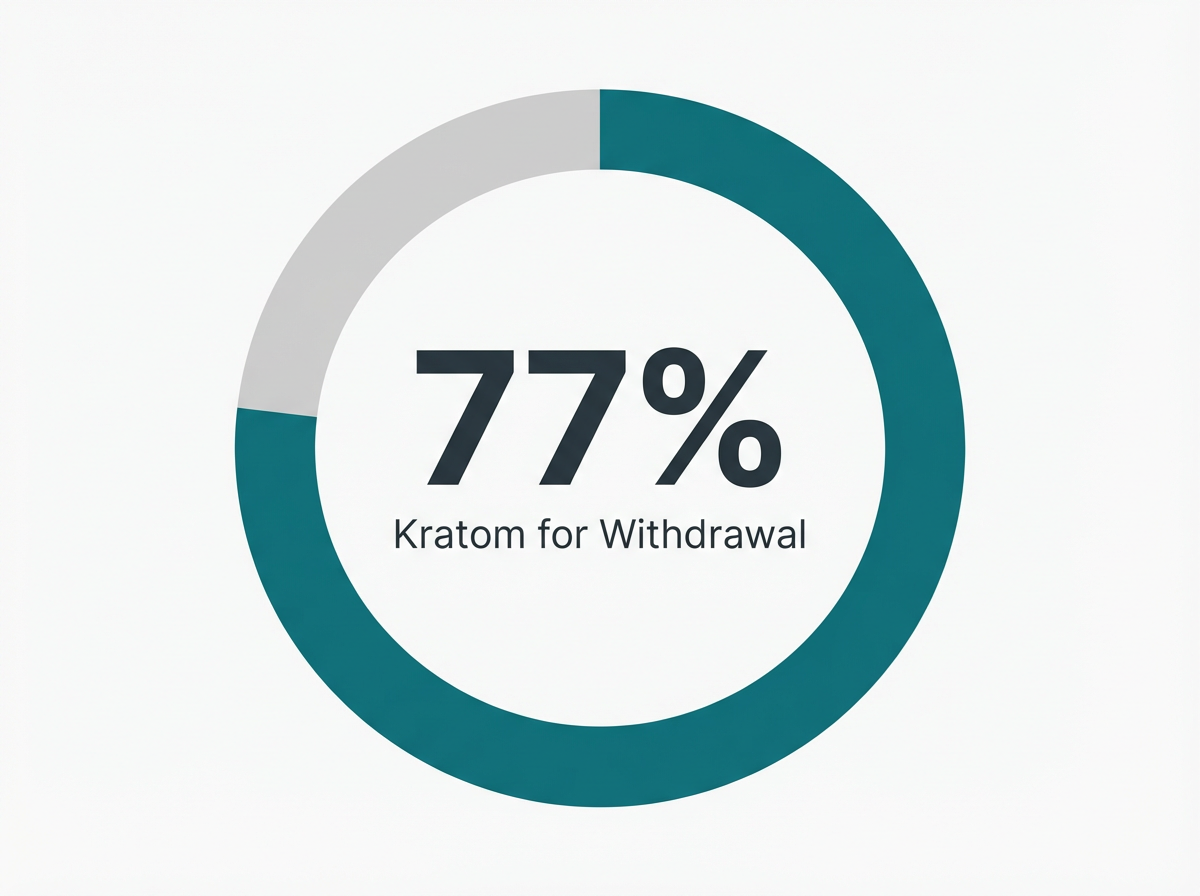
Despite marketing claims that kratom is safe and non-addictive, research tells a different story. Problematic kratom consumption follows the same patterns as other dependencies, with clear diagnostic criteria recognized by medical professionals. Understanding these signs is essential for anyone consuming this botanical regularly or concerned about someone they care about.
The hallmark signs of kratom dependency mirror those of other addictive substances. People develop tolerance, requiring increasingly larger doses to achieve the effects they once experienced with smaller amounts. When they try to cut back or stop, withdrawal symptoms emerge—ranging from muscle aches and irritability to nausea, insomnia, and intense cravings. These physical symptoms often drive continued consumption, even when someone genuinely wants to quit.
Behavioral changes provide additional warning signs. Someone struggling with kratom dependency may spend considerable time obtaining, using, or recovering from the botanical's effects. They might continue consuming it despite experiencing negative consequences in their relationships, work performance, or physical health. Social withdrawal, neglecting responsibilities, and defensive reactions when questioned about their kratom habits are common patterns.
To find out if kratom use has crossed into problematic territory, start with this "Self-Assessment Checklist". Are you:
These are classic red flags for substance use disorder and mirror the signs seen with other opioid-like substances. Studies reveal that nearly one in three regular kratom users develop a diagnosable addiction—higher than many expect.1
To clarify whether a pattern of kratom use has reached the level of a diagnosable substance use disorder, it helps to reference the DSM-5 criteria. The DSM-5 (Diagnostic and Statistical Manual of Mental Disorders, Fifth Edition) outlines 11 symptoms for substance use disorders. Meeting two or more of these criteria within a 12-month period is considered evidence of a substance use disorder, including kratom dependence.
Studies reveal that 29%–38% of regular users meet these diagnostic benchmarks for kratom use disorder.1
Readers might be wondering why so many regular kratom users end up developing substance use disorder. The answer lies in kratom’s unique combination of potent alkaloids, unpredictable product strength, and the way these compounds interact with the brain’s opioid system. Studies reveal that mitragynine and 7-hydroxymitragynine repeatedly stimulate opioid receptors, which leads to tolerance and escalating use—two hallmarks of dependence. This cycle is intensified by the lack of product standardization, so individuals can’t accurately track how much they’re consuming or how strong each dose will be.1,10
Understanding the physical dangers that can follow kratom use disorder requires a clear "Risk Awareness Checklist":
These symptoms may signal serious health complications that go beyond dependence. Research shows kratom’s alkaloids can trigger liver injury, often appearing within 1 to 8 weeks of regular use. Seizures and cardiac issues have also been reported, especially in individuals using kratom alongside other substances.3,9
To identify the risk window for liver injury from kratom use, start with the "Liver Health Timeline Tool": Have you noticed symptoms like fatigue, nausea, or yellowing of the eyes or skin within 1 to 8 weeks of regular kratom consumption? Research confirms that kratom’s alkaloids can cause a specific type of liver damage—typically cholestatic or mixed injury—emerging within this 1- to 8-week period after starting consistent use. In severe cases, individuals may develop acute liver failure and require emergency care.9
Start with the "Acute Risk Checklist": Have you or someone you know experienced seizures, confusion, or rapid heartbeat after using kratom, especially when combined with other substances? These symptoms point to the serious, sometimes life-threatening complications that can emerge from kratom addiction. Clinical research confirms that seizures and cardiac arrhythmias are well-documented risks, particularly in cases where kratom is used alongside prescription medications or other drugs. The danger doesn’t end there—contamination is a major threat. In a 2018 outbreak, 50% of tested kratom products contained Salmonella, leading to hundreds of illnesses.3,6
For many people who recognize problematic kratom use in themselves or loved ones, a crucial question emerges: how did something marketed as a "natural alternative" lead to genuine dependency? Understanding the forces that perpetuate this misconception helps break through the denial that often delays recovery.
The persistent belief that kratom is a safe, natural alternative to opioids stems from several interconnected factors that continue to mislead the public. Marketing strategies have positioned kratom as a botanical supplement rather than a psychoactive substance, creating a false sense of security that obscures its addiction potential. Product labels frequently feature phrases like "all-natural energy support" or "traditional botanical wellness," while vendor websites describe kratom as an "herbal remedy" used for centuries—claims that deliberately avoid mentioning opioid-receptor activity or dependence risk.
The supplement industry's regulatory gaps have allowed kratom to flourish in gas stations, smoke shops, and online marketplaces with minimal oversight. Unlike FDA-approved medications, kratom products carry no standardized dosing information, quality controls, or addiction warnings. This accessibility reinforces the misconception that legal availability equals safety.
To quickly grasp why the 'natural alternative' narrative endures, use the "Market Expansion Checklist":
This is no coincidence—the global kratom market is booming, with projections showing explosive growth from $2.2 billion in 2024 to $7.8 billion by 2032. Such rapid expansion happens in a largely unregulated space, meaning there are few checks on product quality, marketing claims, or the actual content of kratom products.10
A "Market Momentum Checklist" helps clarify just how quickly financial incentives have fueled the kratom industry's rise. Global market projections estimate kratom sales jumping from $2.2 billion in 2024 to $7.8 billion by 2032—a staggering 17.2% annual growth rate. This dramatic surge is driven by loose regulation, low barriers to entry, and a flood of consumer demand for natural remedies. As companies race to capture market share, aggressive marketing and product innovation outpace public health safeguards.10

A "Digital Access Checklist" can help clarify e-commerce’s role in the kratom boom: Are you or people you know buying kratom online for convenience, privacy, or access to a wider variety of products? If so, you’re contributing to a major trend—research projects that nearly 45% of kratom sales now happen through e-commerce platforms, thanks to their anonymity, round-the-clock access, and ease of digital marketing. Online sellers often bypass age checks and can make bold, unverified health claims, giving consumers little warning about the dangers of dependence or liver toxicity.10
To quickly see how federal oversight is changing, use the "Regulatory Action Checklist":
These are signs of the FDA’s 2025 crackdown. In June 2025, the FDA issued warning letters to several companies for selling concentrated 7-OH products—a compound the agency notes is often more potent than morphine. Regulators then recommended scheduling 7-OH as a controlled substance, specifically targeting the isolated, lab-made alkaloid rather than the whole kratom leaf.10
A practical way to track regulatory changes is to use the "Enforcement Action Checklist": Have you seen recent news about the FDA sending warning letters to kratom companies or proposing new legal restrictions on 7-hydroxymitragynine (7-OH) products? In June 2025, the FDA formally warned several businesses for selling concentrated 7-OH products—lab-made kratom derivatives with opioid effects often stronger than morphine. These letters highlight the agency’s concern about kratom addiction risk, especially among youth drawn in by gummies and vapes.
A "User Impact Checklist" offers clarity for anyone currently using kratom or 7-hydroxymitragynine (7-OH) products: Are you worried about changing regulations, losing access to your usual supply, or facing stronger withdrawal symptoms if your product is suddenly unavailable? The FDA’s 2025 crackdown means concentrated 7-OH products could soon disappear from stores and online platforms, potentially forcing abrupt changes in use patterns or prompting withdrawal for those with dependence. Now is the time to consider medical guidance or virtual support, as abrupt policy shifts may limit access to unregulated kratom and leave people without safe tapering options.7

Breaking free from kratom dependence doesn't require putting your life on hold. The next 30 days can mark the beginning of genuine recovery—one that addresses both the physical dependence and any co-occurring psychological challenges that may have contributed to this pattern in the first place.
For those throughout New England seeking comprehensive support, virtual treatment programs like those offered by Pathfinder Recovery provide evidence-based care that integrates seamlessly with work schedules and family responsibilities, particularly valuable for individuals managing co-occurring psychiatric conditions alongside kratom dependence.
Begin with the "Treatment Decision Checklist": Are you experiencing severe withdrawal, a history of seizures, or co-occurring mental health symptoms? If so, your next step should reflect both safety and personal needs. The main options for kratom addiction treatment are medical detox, self-tapering, and medication-assisted treatment (MAT).
Research shows that medical supervision is strongly recommended during withdrawal due to possible severe symptoms, including seizures and cardiac issues in vulnerable individuals. This route fits those who have used high doses of mitragynine or 7-hydroxymitragynine, have a history of substance use disorders, or face unpredictable product strength.3
A practical "Detox Risk Assessment Tool" can help clarify your safest pathway: Are you at risk for severe withdrawal, seizures, or have a history of heart problems?
Medical detox provides round-the-clock supervision, immediate care for complications, and tailored support for co-occurring mental health symptoms—making it the safest choice for those with moderate to severe kratom dependence.3
A "MAT Readiness Checklist" can clarify if medication-assisted treatment (MAT) should be part of your recovery plan for kratom use disorder.
MAT uses FDA-approved medications (like buprenorphine, naltrexone, or clonidine) to reduce cravings and stabilize mood, giving individuals a better chance at long-term recovery. Research shows that MAT is especially helpful for those who have relapsed before, have co-occurring mental health needs, or need extra support to manage opioid-like withdrawal.9
Start with the "Virtual Care Advantage Checklist": Are you seeking privacy, flexible scheduling, or support that fits around work and family? Virtual care opens new doors for individuals navigating kratom dependence or withdrawal from mitragynine and 7-hydroxymitragynine. Research shows that virtual treatment platforms can provide real-time medical supervision, immediate response to withdrawal symptoms, and tailored support for co-occurring mental health needs—all without the barriers of in-person visits.3
A "Safe At-Home Detox Checklist" can help you determine if virtual, medically supervised detox is right for your kratom recovery journey: Are you seeking privacy, want to avoid inpatient stays, or need to manage withdrawal while balancing work or family life? Virtual care platforms now enable individuals with kratom addiction to detox at home under real-time medical guidance. Research shows that withdrawal from mitragynine and 7-hydroxymitragynine can trigger symptoms ranging from anxiety and insomnia to, in rare cases, seizures—making professional oversight crucial, especially for those with moderate or severe dependence. This solution fits people who need flexible, immediate support and live in regions like Vermont, Massachusetts, Connecticut, or New Hampshire where telehealth is available.3
A handy "Remote Skills Builder Checklist" can help you make sure you’re actively developing coping tools while addressing kratom dependence virtually: Are you learning strategies for managing cravings, handling daily stress, and rebuilding healthy routines from home? Virtual care programs for kratom addiction often include remote counseling, guided behavioral exercises, and relapse-prevention planning. Studies reveal that these telehealth approaches are especially effective for teaching real-world coping skills, such as managing triggers and practicing mindfulness, which are crucial for long-term recovery from problematic mitragynine or 7-hydroxymitragynine use.3
Virtual treatment programs have fundamentally changed how individuals access professional support for kratom addiction. Research indicates that telehealth addiction services demonstrate comparable outcomes to traditional in-person treatment, with studies showing retention rates of 65-70% for virtual programs—similar to or exceeding conventional approaches. This accessibility matters because kratom dependency creates measurable changes in brain chemistry that require professional intervention to reverse effectively.
Quality virtual treatment programs provide comprehensive care that mirrors traditional settings: individual counseling with licensed therapists, evidence-based group therapy, psychiatric evaluation for medication management when appropriate, and ongoing monitoring from addiction specialists. The effectiveness depends on program structure and clinical rigor rather than delivery method. When evaluating virtual treatment options, individuals should verify that providers hold proper state licensure, offer individualized treatment plans rather than one-size-fits-all approaches, and provide access to medical professionals who understand kratom's opioid-like effects on brain receptors.
For individuals in Vermont, Massachusetts, Connecticut, and New Hampshire struggling with kratom dependency, programs like Pathfinder Behavioral Health offer specialized virtual services designed around the unique challenges of kratom addiction. However, residents of other states should seek providers licensed in their jurisdiction, as addiction treatment regulations vary by location. Most state medical boards and substance abuse agencies maintain directories of licensed telehealth providers.
When researching virtual treatment programs, essential questions include:
Legitimate providers will transparently answer these questions and provide credentials upon request.
The practical advantages of virtual care—eliminating transportation barriers, accommodating work schedules, enabling immediate application of coping strategies in one's actual environment—make treatment more accessible. But the fundamental value lies in addressing what this article has explored: kratom's documented effects on mu-opioid receptors, dopamine pathways, and the brain's reward system. These neurological changes don't resolve through willpower alone. Professional treatment provides the structured support necessary to help the brain gradually restore its natural chemical balance while developing sustainable coping mechanisms that replace kratom's artificial regulation of mood and stress responses.
If you or a loved one are ready to create a life you love—without having to sacrifice your work, family, and responsibilities—we're here to support you on that journey. Contact us today for personalized care from the comfort of your own home. We will work with your insurance provider so you can focus on what really matters: recovery.
Many people considering treatment for kratom addiction have similar questions about the substance, recovery options, and what to expect. Understanding the facts can help you or your loved one make informed decisions about seeking help.
Yes, it is possible to develop kratom addiction even if you start using it only for pain management. Research shows that kratom's primary alkaloids—mitragynine and 7-hydroxymitragynine—act on the same brain receptors as prescription opioids, creating both pain relief and a risk of opioid-like dependence. Studies reveal that nearly one in three regular kratom users develop a diagnosable use disorder, regardless of their initial reason for use. This means that even individuals who turn to kratom seeking a 'natural' solution for chronic pain can experience cravings, withdrawal symptoms, and escalating use over time.1
If you’re questioning whether your kratom use has become problematic, start by asking yourself a few key questions: Are you taking kratom more often or in higher amounts than you planned? Do you feel cravings, withdrawal symptoms like anxiety or insomnia, or find it hard to cut back despite negative effects on your daily life? Research shows that nearly one in three regular kratom users meet criteria for kratom use disorder, which includes escalating use, failed attempts to quit, and continued use despite harm.1
Kratom is often promoted as a safer, natural alternative to prescription opioids, but research shows it carries many of the same risks—including addiction, withdrawal, and serious medical complications. Both kratom and prescription opioids act on the brain’s opioid receptors, leading to dependence and a difficult withdrawal process for many users. Studies also reveal that kratom’s main alkaloids can trigger seizures, liver toxicity, and cardiac issues, especially at high doses or with unregulated products.1,3
If you stop using kratom after regular use, you can expect a range of withdrawal symptoms similar to those seen with opioids. Most individuals experience anxiety, insomnia, irritability, muscle aches, runny nose, and restlessness within the first 12 to 48 hours. Some people also report nausea, sweating, tremors, diarrhea, and intense cravings for kratom. In rare cases—especially with high doses or long-term use—withdrawal may trigger more severe symptoms such as seizures, cardiac arrhythmias, or severe dehydration.3
Detoxing from kratom at home may seem appealing, but medical supervision is strongly recommended for most individuals, especially those with moderate to severe dependence or any history of seizures, heart problems, or co-occurring mental health needs. Research shows that withdrawal from mitragynine and 7-hydroxymitragynine—the main alkaloids associated with kratom addiction—can trigger symptoms ranging from anxiety and insomnia to, in rare cases, seizures and cardiac arrhythmias. If you live in Vermont, Massachusetts, Connecticut, or New Hampshire, virtual care can provide safe, at-home detox with real-time medical guidance.3
Virtual treatment for kratom addiction is designed with privacy in mind, so your employer or colleagues will not be notified unless you choose to share that information. Sessions take place via secure telehealth platforms, and medical records are protected by federal privacy laws like HIPAA, which prohibits providers from disclosing details about substance use or co-occurring mental health care without your explicit consent. Industry leaders find that telehealth can be especially discreet, as appointments can be scheduled outside of work hours and conducted from home.3
Virtual treatment can be just as effective as in-person rehab for substance use because it delivers the same evidence-based support through secure online platforms—often with added flexibility and privacy. Research shows that telehealth models for kratom addiction provide real-time medical supervision, tailored counseling, and behavioral therapy, all of which mirror the core components of traditional rehab programs. This approach is a great fit for those living in Vermont, Massachusetts, Connecticut, or New Hampshire who need accessible, stigma-free recovery options.3
Yes, Pathfinder Recovery accepts many forms of insurance for virtual treatment of kratom addiction. Their telehealth programs are designed to be accessible and affordable, helping individuals struggling with mitragynine or 7-hydroxymitragynine dependence access care without major financial barriers. Industry leaders find that using insurance can significantly lower out-of-pocket expenses for evidence-based substance use disorder support.3
It’s common to feel discouraged after trying to quit kratom and not succeeding, but research and clinical experience show that recovery is still very possible with the right support. Studies reveal that relapse is part of the process for many people dealing with substance use disorders, including kratom addiction, especially when withdrawal symptoms like anxiety and insomnia become overwhelming. Virtual care, medication-assisted treatment, and tailored support for co-occurring mental health needs can make a real difference.3
The length of kratom treatment before returning to "normal life" depends on the severity of dependence, presence of co-occurring mental health needs, and the chosen recovery approach. For many, the initial phase—managing withdrawal—lasts about 1 to 2 weeks, especially for those with moderate kratom addiction. Virtual or medically supervised detox can help stabilize symptoms during this time. Research shows that most individuals begin resuming work, family, and social activities within the first month, but full emotional and behavioral recovery may take longer.3
Pathfinder can support individuals who are using kratom alongside other substances, as their virtual care model specializes in treating substance use disorder (SUD) with co-occurring mental health needs. While Pathfinder does not offer primary mental health care, their clinical team is experienced in addressing the complex risks that come with combining kratom with drugs like prescription opioids, benzodiazepines, or alcohol. Research shows that polydrug use increases the danger of seizures, cardiac issues, and unpredictable withdrawal symptoms during kratom detox.3
Kratom’s legal status varies widely from state to state, which can impact your access to treatment or certain products. While kratom is legal in most of Vermont, Massachusetts, Connecticut, and New Hampshire, some cities or counties may have their own restrictions, and federal law does not formally approve kratom as a drug or supplement. The FDA has issued public health warnings and taken recent action to restrict the sale of concentrated 7-hydroxymitragynine products, recommending that this potent metabolite be scheduled as a controlled substance nationwide.5,7
During the first week of virtual treatment for kratom use disorder, you can expect a structured, supportive process focused on stabilization and withdrawal management. Most programs begin with a thorough assessment—clinicians review your kratom use, mental health needs, and any co-occurring substance use. You'll receive a personalized care plan, which may include daily check-ins, symptom tracking, and medical oversight to monitor for withdrawal symptoms such as anxiety, insomnia, or muscle aches. Studies reveal that early virtual interventions are especially effective in preventing complications like seizures or dehydration during kratom withdrawal.3
Starting the conversation about a loved one’s kratom use can be tough, but a gentle, evidence-based approach often works best. Begin by expressing genuine concern, not judgment—share specific changes you’ve noticed, like mood swings, memory issues, or withdrawal symptoms that match kratom dependence. Citing research helps: let them know that nearly one in three regular users develop a diagnosable kratom use disorder, with serious health risks including seizures, liver damage, and opioid-like withdrawal.1,3
Pathfinder does not offer formal family therapy, but families and loved ones of individuals with kratom addiction can still access support through education, virtual resources, and involvement in care planning. While the focus is on treating substance use disorder and co-occurring mental health needs for the individual, Pathfinder’s virtual model encourages family members to participate in informational sessions or join check-ins (with the participant’s consent) to better understand kratom dependence, withdrawal, and how to support recovery at home.3
January 6, 2026

January 30, 2026

May 4, 2026